

People travel thousands of miles to admire old European neighborhoods. Yet when we build new homes today we rarely create places with the same beauty. What changed?
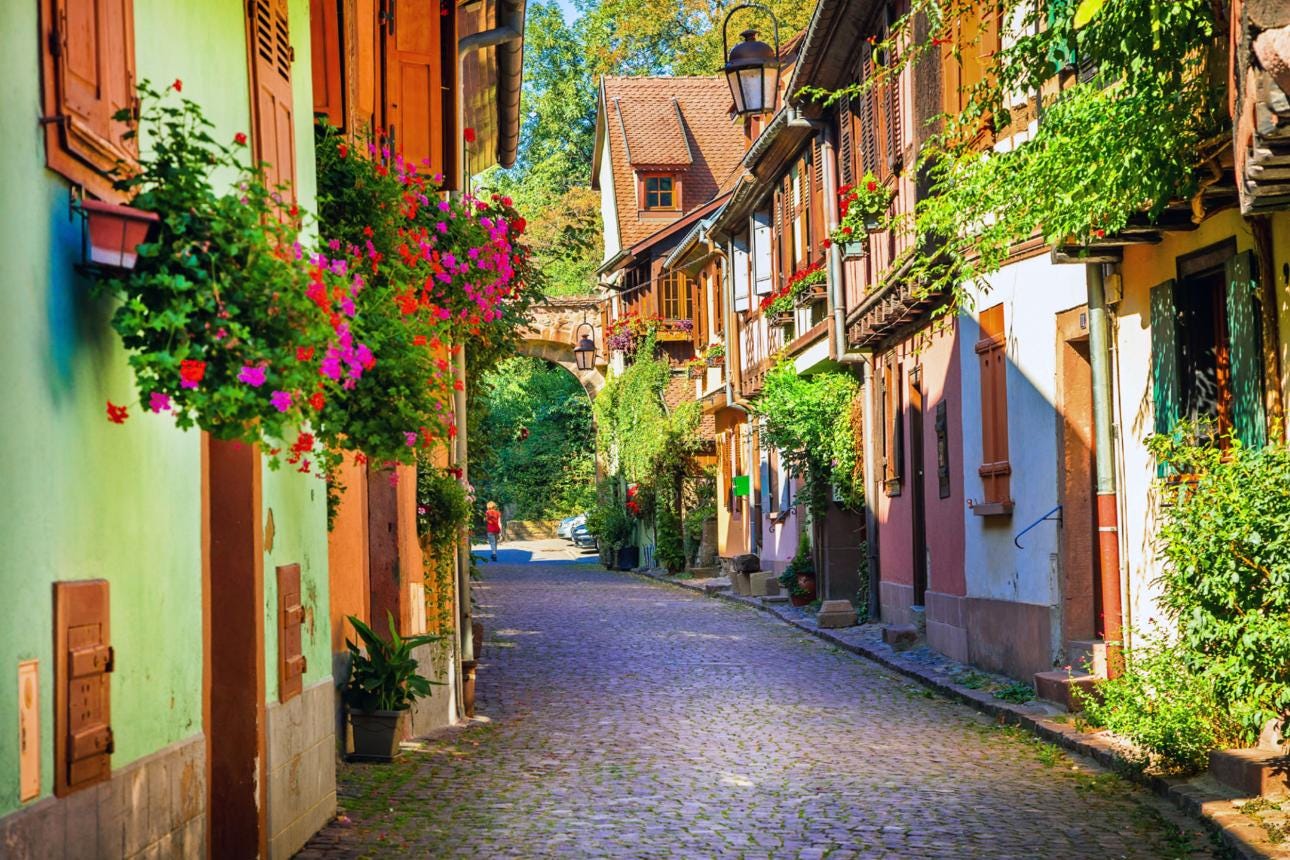
Walk through an old European town and you will notice something remarkable. The houses people stop to photograph are rarely the largest or most expensive ones. They are ordinary homes with beautiful windows and carefully designed entrances that have stood for generations.
You can find them in the villages of southern Germany or along the narrow streets of northern Italy. Their facades differ in color and decoration but they belong together because their builders followed a shared understanding of what makes a beautiful street.
Now visit a typical new housing development.
You might find houses with large windows and spacious interiors. They may offer excellent insulation and conveniences that earlier generations could only dream of. Yet the streets themselves frequently feel strangely anonymous.
The buildings could stand almost anywhere.
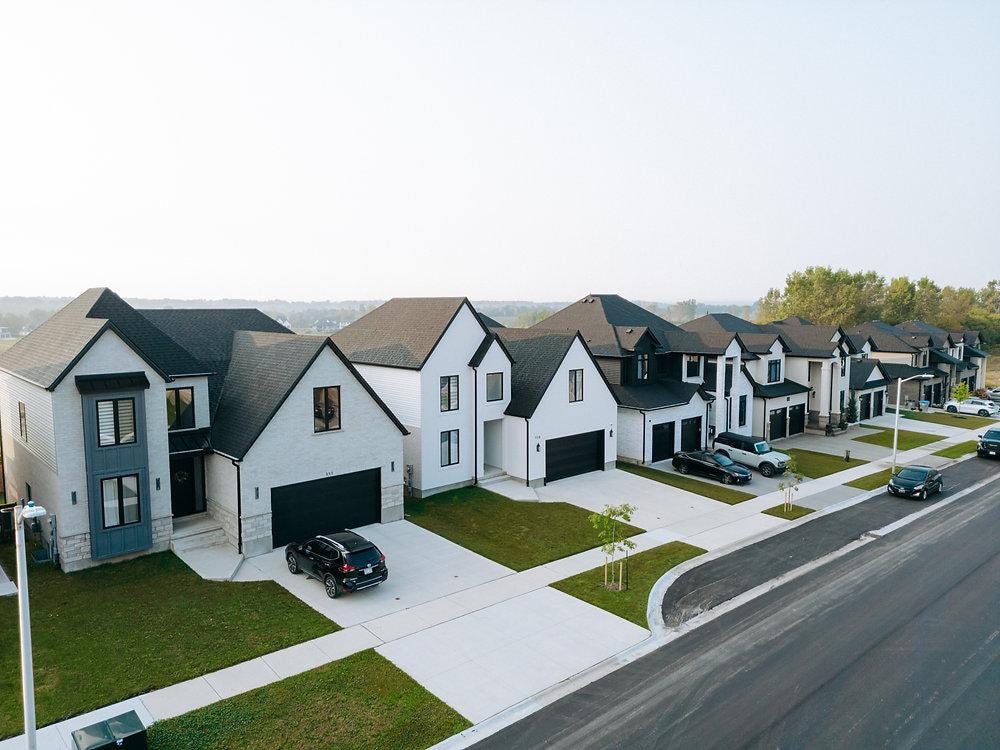
Their facades are often reduced to simple geometric shapes while the spaces between them are dominated by driveways and garage doors. Little attention is given to the architectural details that once made even modest homes attractive.
Of course beautiful houses are still being built today. But the traditional architectural language that shaped entire neighborhoods has largely disappeared from ordinary residential construction.
And I think that loss deserves more attention.
Because when we look at the houses people love most we discover that their beauty rarely depends on extravagant materials or unusual designs.
It comes from principles that earlier generations understood remarkably well.
1. When Ordinary Houses Were Beautiful
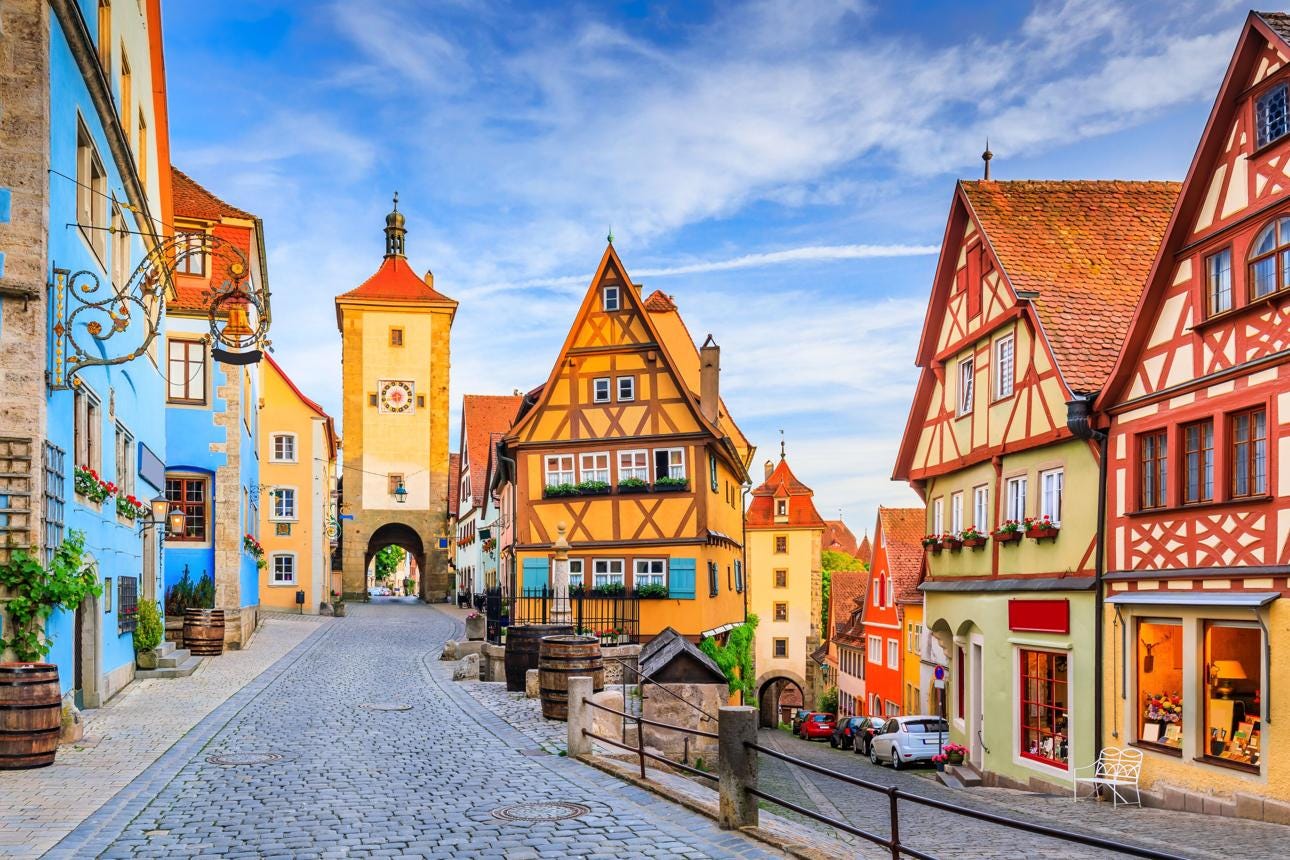
One of the most striking things about historic European towns is that their beauty extends far beyond their famous monuments.
Consider Rothenburg ob der Tauber.
Visitors come to admire its medieval walls and picturesque streets. But much of the town’s charm comes from ordinary houses that were built for merchants and craftsmen rather than kings or bishops.
These buildings were not all designed by famous architects. Many followed local construction traditions that developed over generations.
Their builders understood how a house should meet the street and how its facade should relate to neighboring buildings.
Windows were arranged with care while entrances received enough attention to make them welcoming. Roofs were designed as visible parts of the architecture rather than treated as purely functional coverings.
The result was a town in which ordinary buildings contributed to a larger sense of beauty.
This does not mean every medieval house was comfortable or well constructed. Many were cramped and vulnerable to fire while others disappeared because they could not survive the passage of time.
The historic houses we admire today represent buildings that survived through centuries of maintenance and alteration.
But they still reveal something important.
Earlier builders frequently worked within local traditions that gave ordinary residential architecture a recognizable character.
And because those traditions were shared the beauty of a street did not depend on a single extraordinary building.
As the architect and theorist Christopher Alexander described it in The Timeless Way of Building:
“There is one timeless way of building. It is a thousand years old, and the same today as it has ever been. The great traditional buildings of the past, the villages and tents and temples in which man feels at home, have always been made by people who were very close to the center of this way. It is not possible to make great buildings, or great towns, beautiful places, places where you feel yourself, places where you feel alive, except by following this way. And, as you will see, this way will lead anyone who looks for it to buildings which are themselves as ancient in their form, as the trees and hills, and as our faces are.”
2. We Replaced Architectural Traditions With Fashion
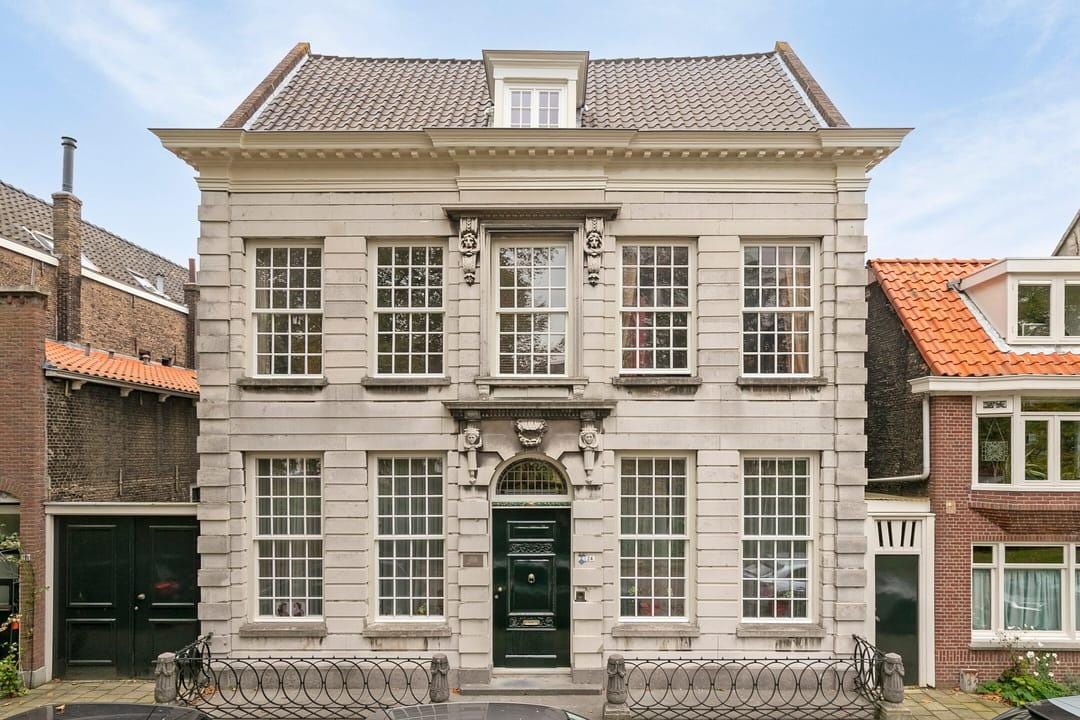
For centuries European builders worked within architectural traditions that developed gradually.
A carpenter in Bavaria understood the construction of timber-framed houses while a mason in France worked with the proportions and materials common to his region.
These traditions were not fixed. They changed as new techniques became available and as architectural fashions spread between cities.
But builders generally understood themselves as continuing an established language.
A new house could be different from its neighbors without appearing completely unrelated to them.
During the twentieth century this relationship changed dramatically.
Modernist architects challenged the idea that buildings should follow inherited styles and argued that architecture ought to reflect the materials and needs of the modern age.
Ornament was increasingly rejected as unnecessary while simple geometric forms became associated with progress.
These ideas produced important buildings and opened new possibilities for design.
But when their principles spread into ordinary residential construction the results were not always successful.
Many houses lost the decorative details that once gave their facades character without gaining the careful proportions that make restrained architecture beautiful.
A plain wall can be elegant when its windows and materials are thoughtfully composed. But removing ornament does not automatically create good design.
And replacing a familiar architectural tradition with whatever happens to be fashionable can make houses look outdated surprisingly quickly.
Traditional architecture offered something different.
It allowed buildings to change while remaining connected to the places where they stood.
As the architect Léon Krier put it:
“Modernist architecture and town planning is inimical to human beings... based on the Darwinian concept that evolution is open ended, that there must always be something new and better.”
If these essays have changed the way you see the world around you, the paid tier goes further.
You get longer, more researched pieces on the places that shaped Western civilization and the stories behind them. Deep dives into tradition, craftsmanship, and what the built world reveals about culture. Travel guides that teach you to actually read the places you visit.
This project is kept alive by people who care about old-world traditions. For a few dollars a month, you can be one of them.
3. We Started Designing Houses Around Cars
Perhaps the greatest change in residential architecture was not caused by architects at all..
Continue reading below.