

Some buildings become more beautiful with every passing century while others begin to look outdated after just a few decades.
Their facades show the passage of time but somehow this makes them more beautiful.
Now compare them with a modern apartment building constructed thirty years ago. Its exterior panels may be stained and its once-fashionable design already looks dated. What seemed innovative when it was completed can quickly begin to feel tired.
Of course many old buildings survived because people maintained them and considered them worth preserving. Plenty of poorly constructed buildings from earlier centuries disappeared long ago.
But there is still something important to learn from the traditional buildings that remain.
Their beauty comes partly from the materials they use and partly from the way those materials change with age. Their proportions remain pleasing even as their surfaces weather and the craftsmanship behind their construction continues to reward closer attention.
Traditional architecture was built around principles that could survive changing fashions.
And that is why some of Europe’s oldest buildings remain among its most beautiful.
1. Natural Materials Become More Beautiful With Time
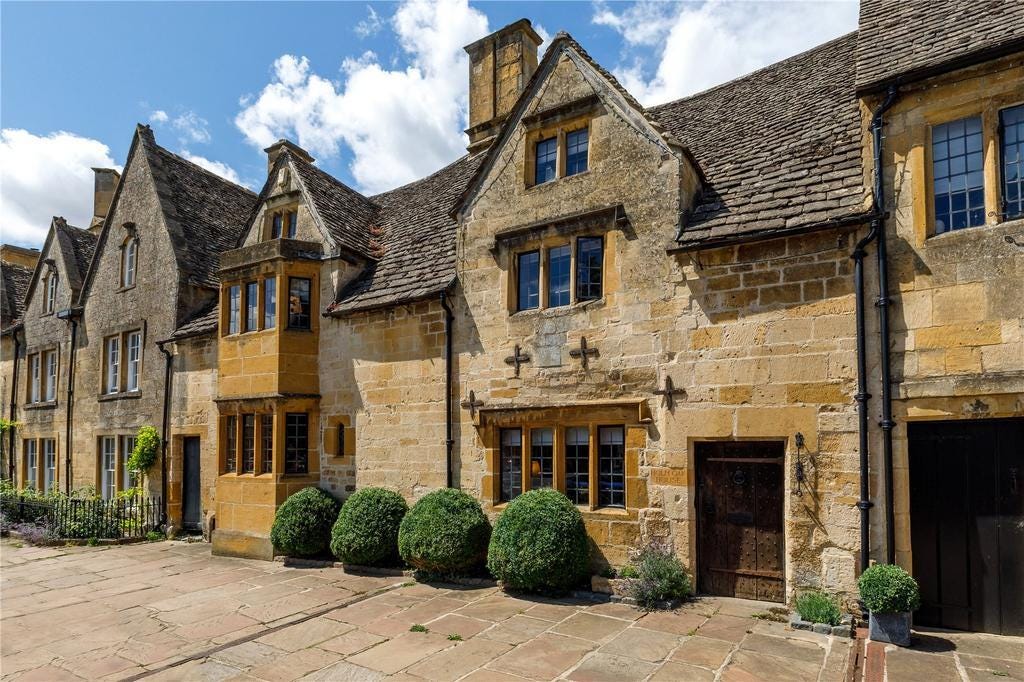
One of the greatest strengths of traditional architecture is its use of natural materials.
Walk through an old town in France and you will see limestone facades that have developed warm golden tones over centuries. In northern Germany you will find brick buildings whose surfaces have become richer and more varied with age.
These materials change gradually because they respond to sunlight and weather. Their colors deepen and their surfaces develop small irregularities that give them character.
A stone wall does not need to look perfectly new to remain beautiful. In fact its weathered appearance can make the building feel more connected to its surroundings.
Traditional builders understood the qualities of the materials available in their region. They used local stone where it was abundant and brick where suitable clay could be found.
This gave European towns their distinctive appearance.
The pale limestone buildings of Paris look different from the red-brick houses of northern Europe because each architectural tradition developed around the resources of its landscape.
Many modern buildings rely instead on industrial surface finishes that are designed to look uniform when first installed. Some age well but others lose their appearance as coatings fade or panels become discolored.
Natural materials are not immune to damage and stone can deteriorate badly when exposed to pollution or moisture. But when chosen carefully and maintained properly they can develop a richness that manufactured finishes struggle to reproduce.
This is one reason old buildings can become more attractive with time.
Their surfaces tell us something about the years they have survived.
John Ruskin, in The Seven Lamps of Architecture (The Lamp of Memory), captured this precisely:
For, indeed, the greatest glory of a building is not in its stones, nor in its gold. Its glory is in its Age, and in that deep sense of voicefulness, of stern watching, of mysterious sympathy, nay, even of approval or condemnation, which we feel in walls that have long been washed by the passing waves of humanity. It is in their lasting witness against men, in their quiet contrast with the transitional character of all things, in the strength which, through the lapse of seasons and times, and the decline and birth of dynasties, and the changing of the face of the earth, and of the limits of the sea, maintains its sculptured shapeliness for a time insuperable, connects forgotten and following ages with each other, and half constitutes the identity, as it concentrates the sympathy, of nations: it is in that golden stain of time, that we are to look for the real light, and colour, and preciousness of architecture; and it is not until a building has assumed this character, until it has been entrusted with the fame, and hallowed by the deeds of men, till its walls have been witnesses of suffering, and its pillars rise out of the shadows of death, that its existence, more lasting as it is than that of the natural objects of the world around it, can be gifted with even so much as these possess, of language and of life.
If these essays have changed the way you see the world around you, the paid tier goes further.
You get longer, more researched pieces on the places that shaped Western civilization and the stories behind them. Deep dives into tradition, craftsmanship, and what the built world reveals about culture. Travel guides that teach you to actually read the places you visit.
This project is kept alive by people who care about old-world traditions. For a few dollars a month, you can be one of them.
2. Traditional Architecture Was Designed to Be Repaired
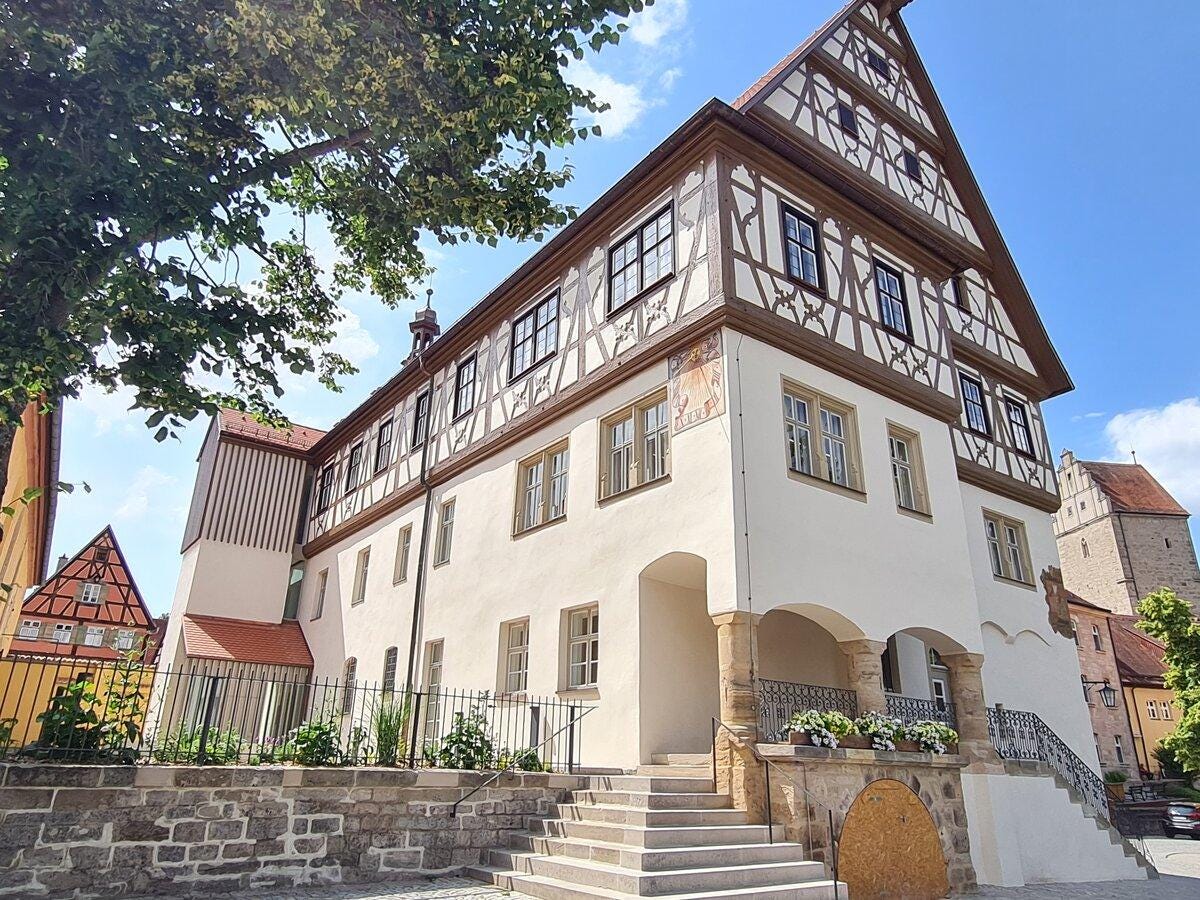
Another reason traditional buildings survive so beautifully is that many were constructed using materials that can be repaired individually.
Consider a half-timbered house in a German town.
Continue reading below.