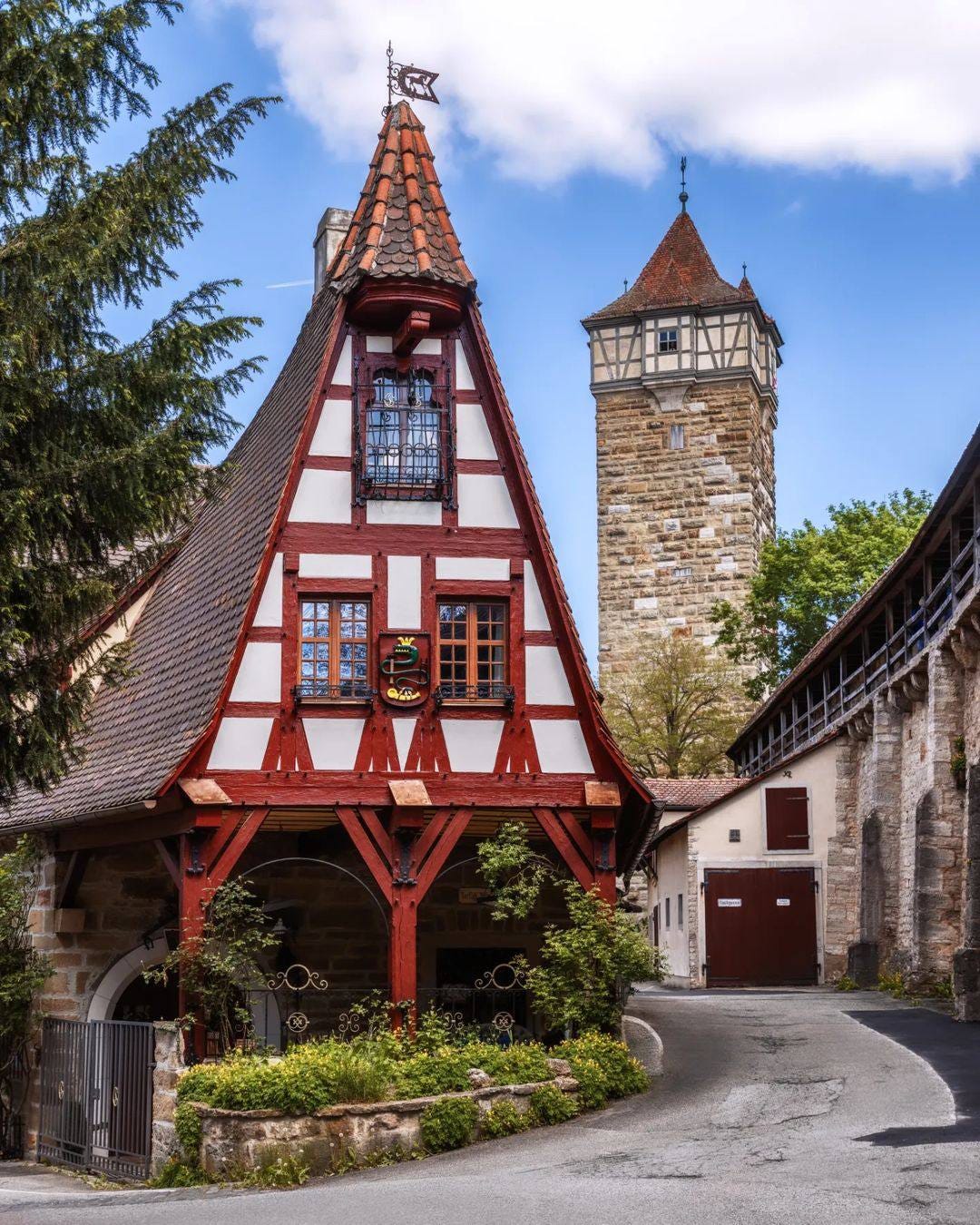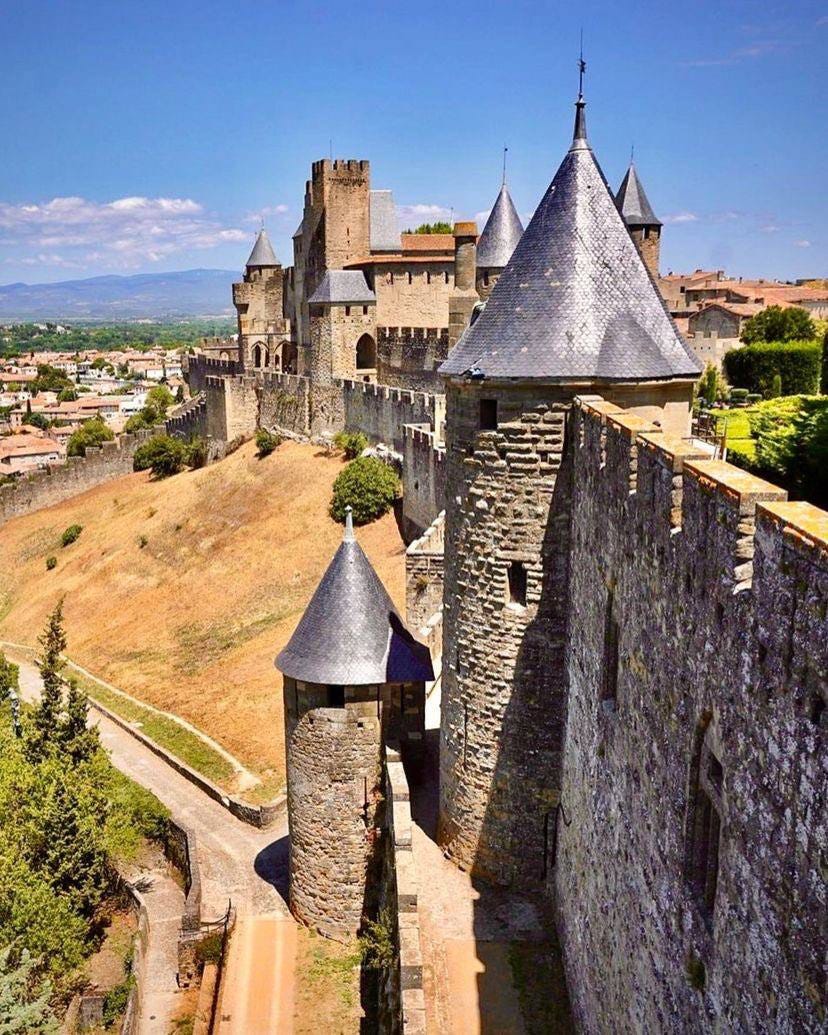
Walk through Carcassonne, Dubrovnik, Ávila, York, Tallinn, Rothenburg, or countless other historic cities across Europe and the walls define the entire experience, rising above rooftops and wrapping around churches, markets, houses, and towers in a way that makes the city feel complete.
And the people who built those walls understood exactly what they were doing, because throughout much of the Middle Ages a wall represented security, prosperity, confidence, and permanence all at the same time, shaping everything from trade and architecture to politics and daily life.
The medieval world contained remarkable beauty and achievement, yet it also contained uncertainty that modern people rarely experience, with armies moving across regions regularly, noble families fighting private wars, frontier territories changing hands, raiding parties targeting prosperous settlements, and political alliances shifting constantly across generations.
In that environment, a successful town needed more than churches, markets, workshops, and skilled craftsmen.
It needed protection.
And once a settlement became wealthy enough or ambitious enough, the question became when to build a wall rather than whether to build one at all..
1) A Wall Announced That a City Intended to Last
Constructing a stone wall required enormous effort.
Thousands of tons of stone had to be quarried, transported, shaped, and assembled.
Towers needed foundations
Gatehouses required complex engineering
Defensive ditches had to be excavated
And entire communities spent years contributing labor, taxes, materials, and money because everyone understood what the finished wall represented.
Their their goods could remain inside the city during uncertain times.
Workshops could continue operating through periods of instability.
Markets would remain active.
And it told neighboring rulers that this settlement possessed the resources, organization, and determination necessary to defend itself.
That confidence attracted people.
New people brought skills
Skills created wealth
Wealth attracted investment
And investment encouraged further growth
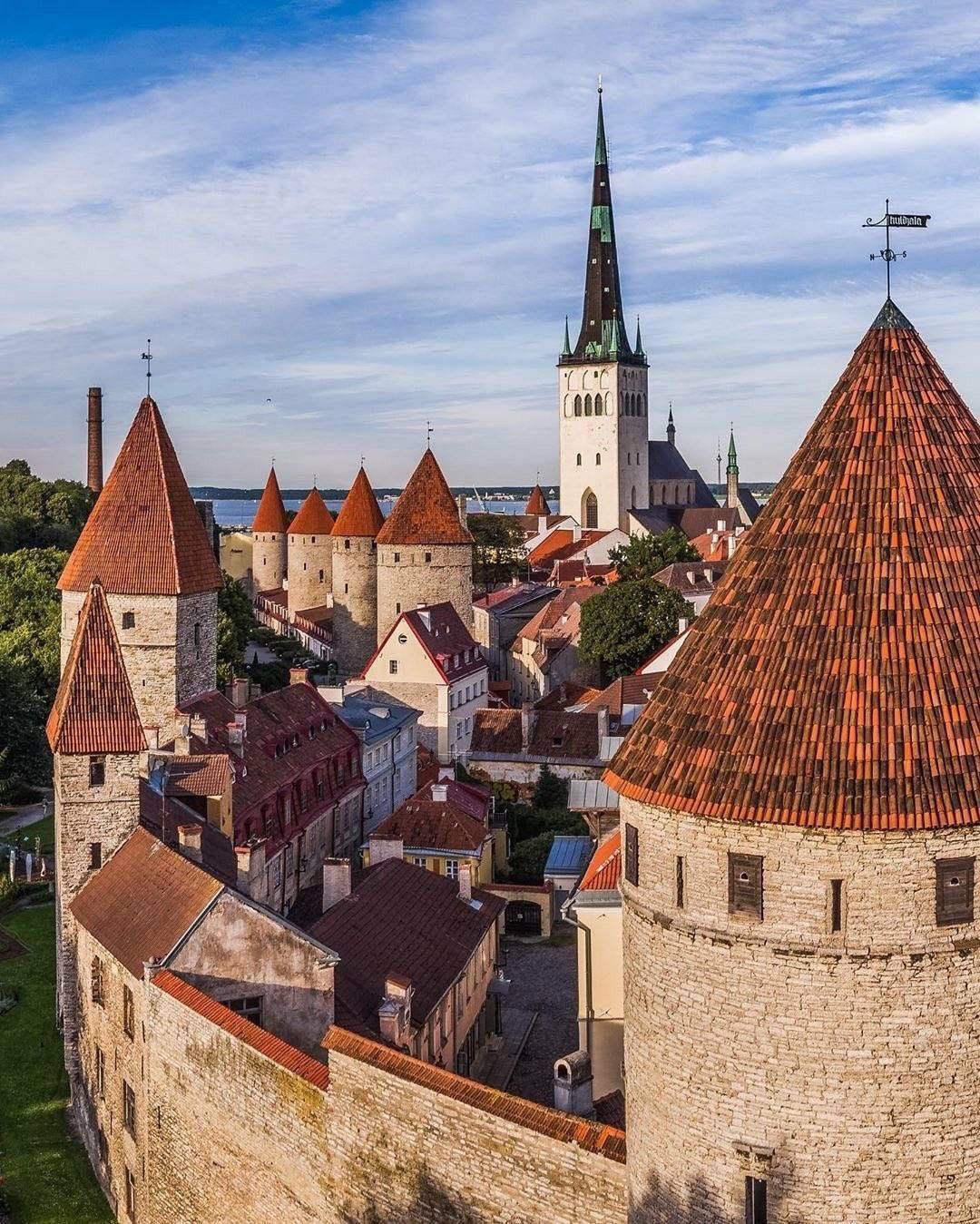
Cities such as Tallinn, Cologne, Bruges, and York expanded through exactly this process, becoming places where wealth accumulated gradually behind defenses that made long-term planning possible.
2) Walls Made Trade Possible
One reason medieval Europe experienced such remarkable urban growth between the eleventh and fourteenth centuries is that merchants increasingly found places where commerce could flourish with relative security.
A merchant arriving in a walled city brought more than goods.
He brought capital
Connections
Information
Credit
Relationships stretching across regions and kingdoms
All of those things depended upon stability.
Take Bruges during its commercial peak.
Merchants arrived carrying cloth from England, wine from France, spices from the Mediterranean, timber from the Baltic, and luxury products from distant markets connected through vast trading networks.
Those goods represented fortunes.
Walls provided the confidence necessary for all that activity to continue.
The same pattern appeared throughout Europe.
Tallinn grew wealthy behind its defenses
Lübeck prospered behind its defenses
Kraków expanded behind its defenses
Florence accumulated wealth behind its defenses
And as wealth increased, walls expanded alongside it, creating larger enclosures capable of protecting larger populations.
If these essays have changed the way you see the world around you, the paid tier goes further.
You get longer, more researched pieces on the places that shaped western civilization and the stories behind them. Deep dives into tradition, craftsmanship, and what the built world reveals about culture. Travel guides that teach you to actually read the places you visit.
This project is kept alive by people who care about old world traditions. For a few dollars a month, you can be one of them.
3) Walls Created the Medieval City We Love Today