

Walk through the streets of Bologna, wander beneath the elegant porticoes of Turin, explore the medieval arcades of Bern, or lose yourself in the narrow streets of Padua, and one architectural feature appears again and again.
The arcade.
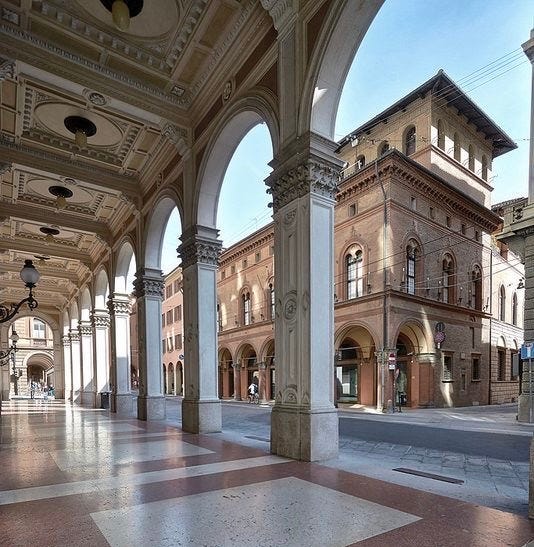
Rows of graceful arches stretch along entire streets, creating sheltered walkways that invite people to slow their pace. Cafés spill beneath them, bookshops tuck themselves into shaded corners, and markets continue much as they have for centuries. The buildings themselves seem to reach out toward the street, creating a space that belongs neither entirely indoors nor outdoors.
It is one of Europe’s most distinctive architectural traditions.
Yet few people stop to ask why these covered walkways became such an important part of European cities.
The answer begins with daily life.
The Street Became Another Room
The medieval city did not separate commerce from everyday life.
Merchants lived above their shops. Bakers sold bread from the same buildings in which they raised their families. Tailors, goldsmiths, booksellers, and cloth merchants opened directly onto the street, creating neighborhoods where work, conversation, and community naturally came together.
The arcade transformed that street into something more comfortable.
Its roof provided shelter from rain in the north and shade from the summer sun in the south. People could walk from one end of the city to the other without leaving its protection, stopping to browse market stalls, greet neighbours, or pause at a café along the way. The architecture encouraged movement without hurry, making the journey itself part of the experience.
The city became a place to inhabit rather than simply to cross.
The Roman architect Vitruvius, writing in the first century BCE, already recognized the civic value of such covered walkways. In De Architectura he observed:
“The Greeks lay out their forums in the form of a square surrounded by very spacious double colonnades, adorn them with columns set rather closely together, and with entablatures of stone or marble, and construct walks above in the upper story. But in the cities of Italy the same method cannot be followed, for the reason that it is a custom handed down from our ancestors that gladiatorial shows should be given in the forum. Therefore let the intercolumniations round the show place be pretty wide; round about in the colonnades put the bankers’ offices; and have balconies on the upper floor properly arranged so as to be convenient, and to bring in some public revenue.”
Later in the same work he returned to the practical necessity of colonnades for everyday comfort:
“Colonnades must be constructed behind the scaena, so that when sudden showers interrupt plays, the people may have somewhere to retire from the theatre, and so that there may be room for the preparation of all the outfit of the stage. Such places, for instance, are the colonnades of Pompey, and also, in Athens, the colonnades of Eumenes and the fane of Father Bacchus... and in other cities which have had careful architects there are colonnades and walks about the theatres.”
The principle remained constant across centuries: architecture that serves public life by offering shelter, continuity, and shared space.
Bologna Built an Entire City Beneath Its Porticoes
No city embraced arcades more completely than Bologna.
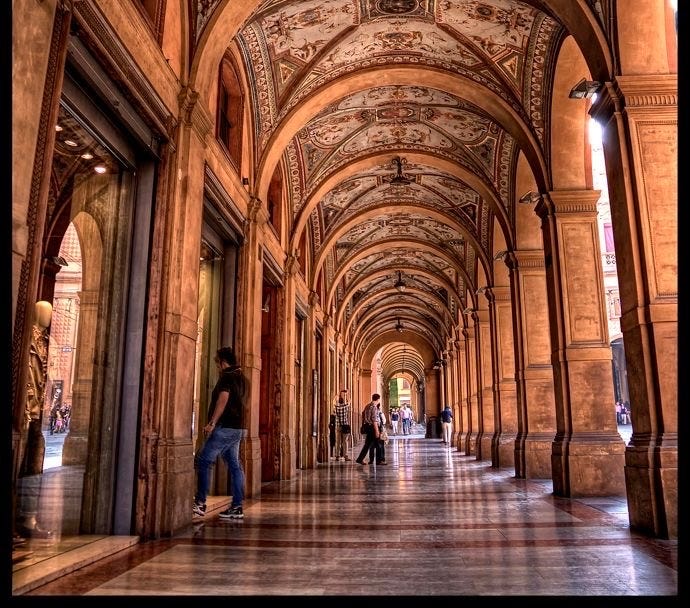
Today, the city contains nearly 62 kilometres (39 miles) of porticoes, with about 54 kilometres accessible through its historic centre. In 2021, UNESCO recognized Bologna’s porticoes as a World Heritage Site, describing them as an extraordinary example of architecture shaped by civic life.
Their story began during the High Middle Ages.
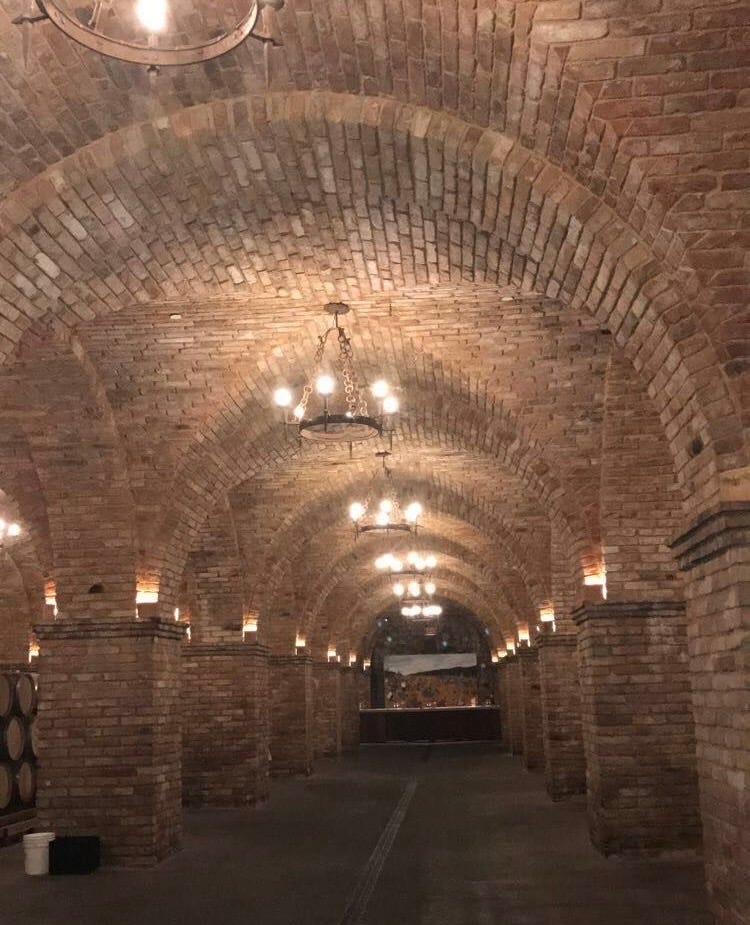
As Bologna grew into one of Europe’s great university cities, property owners needed additional space without narrowing the streets below. Upper floors gradually projected beyond the ground floor, supported first by timber beams and later by elegant brick and stone columns. Those supports created covered walkways, and over time the entire city adopted the pattern.
Walking beneath Bologna’s arcades today feels remarkably similar to walking beneath them six hundred years ago. Students still cross the city between lectures. Markets continue to animate the streets. Residents gather beneath the arches during every season.
The architecture continues serving the purpose for which it was built.
The twentieth-century architect Kenzo Tange, who worked extensively in Bologna, captured this quality when he described the city with “great enthusiasm.” He wrote that with its “beautiful porticoes” it represented “the most excellent example of an urban road system. These communication spaces constitute an extraordinary example of an element capable of making the entire city an organic whole. Such forms suggest the future image of urban and architectural structures.”
Johann Wolfgang von Goethe, observing the same streets in 1786, noted their lived convenience:
“Towards evening I got out of this ancient, venerable, and learned city, and extricated myself from its crowds, who, protected from the sun and weather by the arched bowers which are to be seen in almost every street, walk about, gape about, or buy, and sell, and transact whatever business they may have.”
Every City Gave Arcades Its Own Character
The arcade spread across Europe, yet every region interpreted it differently.
In Bern, sandstone arcades line the medieval streets for nearly six kilometres, creating one of Europe’s longest covered shopping promenades. Their sturdy columns reflect the city’s civic confidence, while fountains and towers punctuate the rhythm of the streets.
In Turin, elegant porticoes accompany grand boulevards laid out by the House of Savoy. Marble columns, refined proportions, and continuous colonnades give the city a remarkable sense of order, connecting palaces, churches, theatres, and cafés through a unified architectural language.
In Padua, arcades frame bustling squares where merchants have traded for centuries. Gothic arches stand beside Renaissance façades, revealing generations of builders contributing to the same urban fabric.
The form remained familiar.
The details reflected the identity of each city.
Architecture That Invites People to Stay
The arcade achieves something remarkable.
It dissolves the boundary between the building and the street.
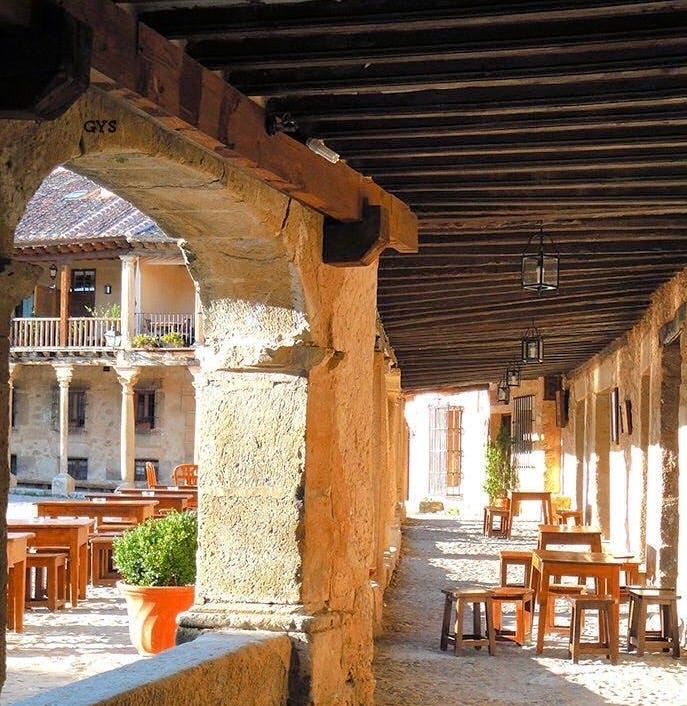
Instead of presenting a flat façade against an exposed sidewalk, the building extends outward, creating a sheltered threshold where public and private life gently overlap. Shop windows become part of the walkway. Restaurant tables occupy the edge between indoors and outdoors. Conversations linger beneath the arches while the city continues moving around them.
This relationship gives European streets much of their character.
The architecture encourages people to walk, browse, meet, and linger because it creates spaces that feel comfortable throughout the year. Rain becomes part of the atmosphere rather than an interruption. Summer sunlight filters between columns, casting shifting patterns across stone pavements polished by generations of footsteps.
Every arch contributes to the rhythm of the street.
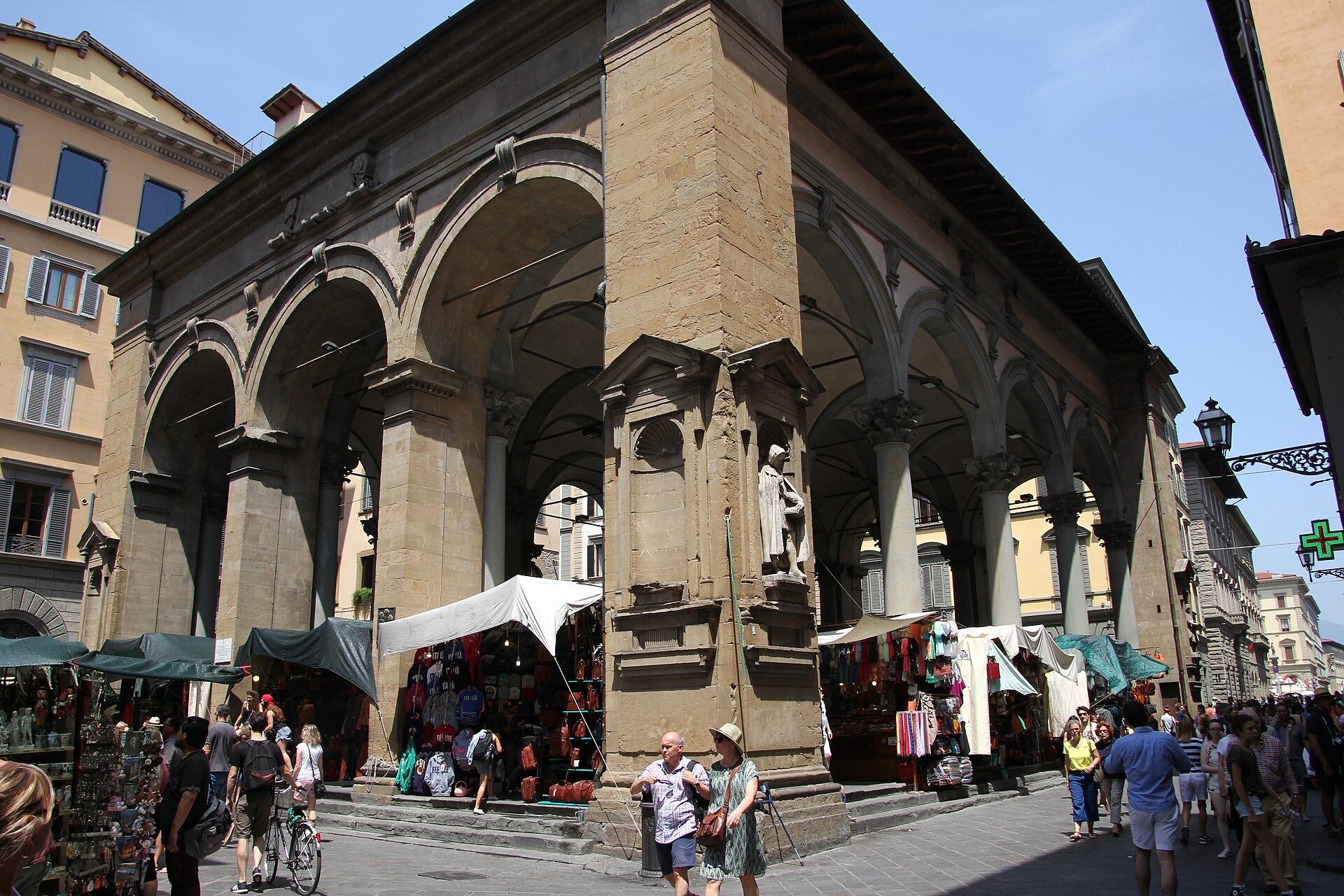
The Austrian-born architect and critic Bernard Rudofsky expressed this generosity with particular clarity:
“Arcades are altruism turned architecture – private property given to an entire community.”
In his view, the arcade represented a rare civic gift: space that private owners willingly extended for public benefit, transforming the street into a shared room.
Andrea Palladio, writing in the sixteenth century on the value of porticoes, emphasized their dual role of utility and dignity: