

For centuries Europeans built beautiful cities that people still travel across the world to admire. Today we spend millions preserving their historic buildings while allowing architects and developers to construct ugly modern buildings right beside them. How did we end up with a system that protects the beauty of the past but seems so indifferent to the beauty of the future?
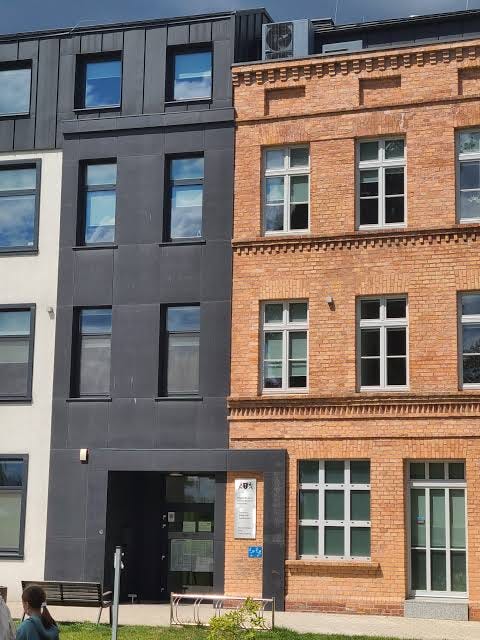
Walk through the historic centre of Vienna and you encounter entire streets of magnificent apartment buildings whose facades carry elegant window frames and carefully designed entrances, their proportions lending the street a harmony that has become rarer in modern neighbourhoods. Many of these were ordinary residential houses when built; their architects simply followed the traditions of their time and the shared understanding that even an apartment building should contribute something beautiful to the city. Imagine one of those buildings demolished and replaced by a large concrete box whose windows bear no obvious relationship to the neighbouring houses and whose flat facade makes little attempt to continue the architectural character of the street. The architect may call the design contemporary or innovative while the developer emphasises energy efficiency and modern apartments. Everything may comply with the regulations and the project may even win an award, yet the street has become less beautiful.
This is especially strange because European cities spend enormous sums protecting the historic architecture that makes them attractive. We restore old facades and impose strict requirements on the owners of listed buildings because we understand that architectural beauty has cultural value. When it comes to constructing something new, however, we frequently accept almost anything that meets the technical requirements. Why should an architect be allowed to place an ugly modern building in the middle of a beautiful historic neighbourhood? Why do we treat architectural creativity as something that deserves protection even when it comes at the expense of the surrounding city? And why do our planning systems make it so difficult to build the kinds of traditional streets that people continue to admire?
1. How Architects Became More Important Than the Streets They Build In
One of the greatest differences between traditional and contemporary architecture is the way architects think about their relationship with the surrounding city. For centuries European builders worked within architectural traditions that developed gradually over generations. These traditions influenced everything from the height of a building to the proportions of its windows and helped create streets where individual houses looked different while still belonging together. The famous boulevards of Paris largely acquired their recognisable appearance during the nineteenth-century transformation of the city under Napoleon III and Baron Haussmann. Building regulations established rules concerning heights and the arrangement of facades while architects worked within a shared architectural language. The result was an enormous number of apartment buildings that remain attractive today despite being constructed by different people for different owners. The beauty of these streets comes partly from the individual buildings but also from the way they relate to one another. A single Haussmannian apartment house might not be an extraordinary architectural masterpiece, yet place twenty of them beside one another and the entire street becomes something remarkable.
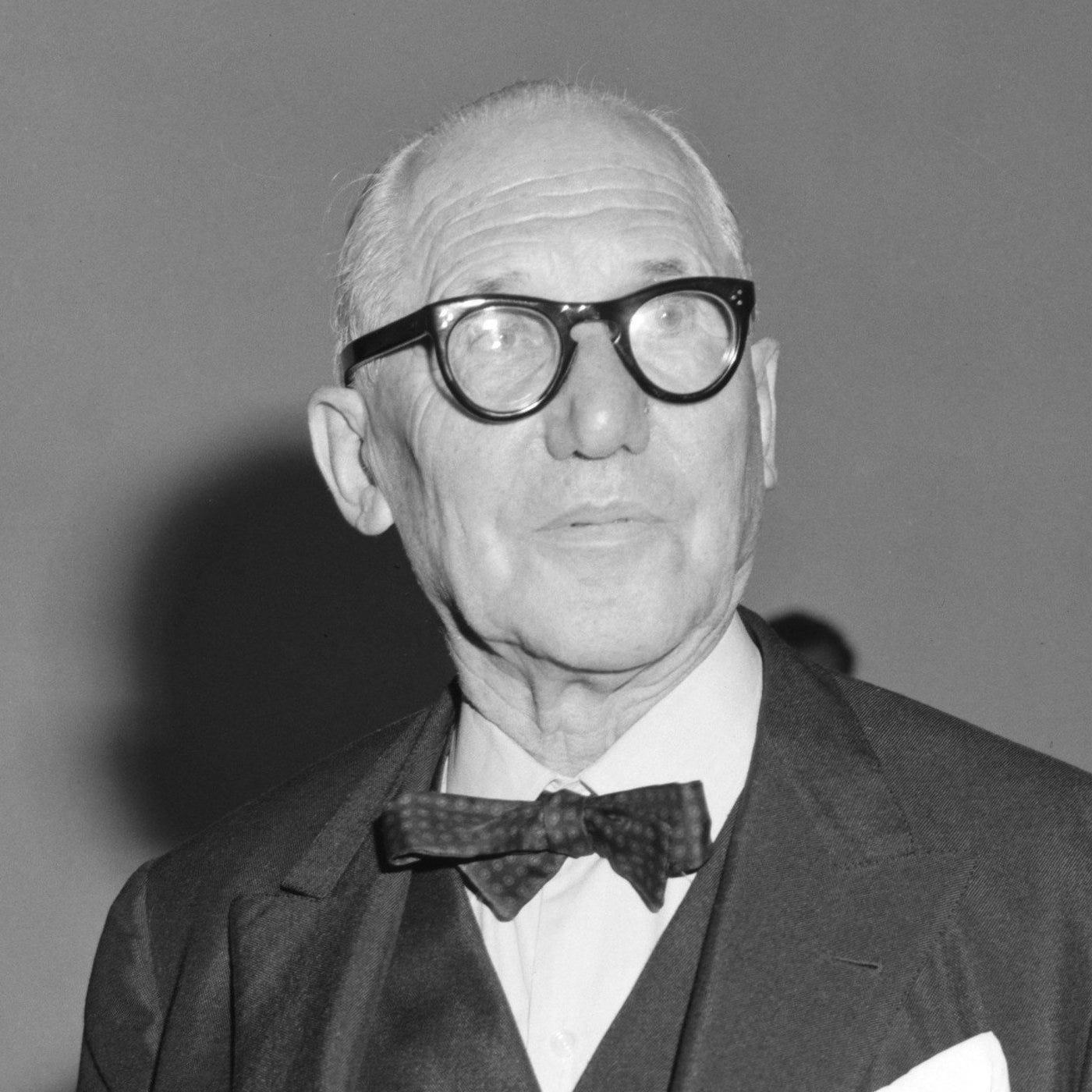
This principle runs throughout historic Europe. In Amsterdam the narrow brick houses have different gables and decorative details but share enough characteristics to create a harmonious streetscape. In many Italian towns the buildings follow similar proportions and use familiar materials while their individual differences give the streets their character. Modern architecture increasingly moved away from this understanding during the twentieth century. Architects such as Le Corbusier challenged the inherited city and promoted new approaches based on modern construction methods. Historical styles were rejected by influential modernists while architectural originality became an important measure of professional achievement. As Le Corbusier wrote in Towards a New Architecture:
Architecture is stifled by custom. The “styles” are a lie. Style is a unity of principle animating all the work of an epoch, the result of a state of mind which has its own special character. Our own epoch is determining, day by day, its own style. Our eyes, unhappily, are unable yet to discern it.
A great epoch has begun. There exists a new spirit. Industry, overwhelming us like a flood which rolls on towards its destined ends, has furnished us with new tools adapted to this new epoch, animated by the new spirit. Economic law unavoidably governs our acts and our thoughts. The problem of the house is a problem of the epoch. The equilibrium of society today depends upon it. Architecture has for its first duty, in this period of renewal, that of bringing about a revision of values, a revision of the constituent elements of the house. We must create the mass-production spirit. The spirit of constructing mass-production houses. The spirit of living in mass-production houses. The spirit of conceiving mass-production houses. If we eliminate from our hearts and minds all dead concepts in regard to the house, and look at the question from a critical and objective point of view, we shall arrive at the “House-Machine,” the mass-production house, healthy (and morally so too) and beautiful in the same way that the working tools and instruments which accompany our existence are beautiful.
Over time the idea that a building should express its own identity became deeply established in architectural education. Students were encouraged to develop distinctive concepts and demonstrate creativity through new forms. A building that looked completely different from its neighbours could be praised precisely because it challenged the surrounding architecture. This helps explain why so many modern additions to historic streets seem determined to announce their presence. Instead of continuing the proportions of neighbouring houses the architect introduces an unusual facade or a dramatic contrast in materials. The building becomes a statement about contemporary architecture even when that statement makes the street less attractive.
There is nothing inherently wrong with designing something original. European architecture developed through centuries of experimentation and many of its most beautiful buildings were innovative when they first appeared. Earlier architectural traditions, however, generally offered recognisable principles that allowed buildings to contribute to a larger urban environment. Today the architect’s individual vision can become more important than the appearance of the street itself. This raises a question that deserves far more attention than it receives. If an architect designs a building that thousands of people will have to look at every day for the next hundred years, why should the architect’s personal preferences carry more weight than the character of the city? Architecture is different from painting because buildings cannot simply be removed from public view when people dislike them. They become part of the everyday environment and influence how entire neighbourhoods are experienced. A city should therefore never be treated as a collection of opportunities for architectural self-expression. Its beauty is something that belongs to the public and deserves to be protected accordingly. As Léon Krier has observed:
All buildings, large or small, public or private, have a public face, a facade; they therefore, without exception, have a positive or negative effect on the quality of the public realm, enriching or impoverishing it in a lasting and radical manner. The architecture of the city and public space is a matter of common concern to the same degree as laws and language—they are the foundation of civility and civilisation.
Traditional architecture and urbanism are not styles; they are methods of building that have proven their worth over centuries. They produce places where people feel at home because they grow from shared conventions of proportion, material, and scale. Modernism rejected these conventions in the name of originality and progress, but the result has been cities that are fragmented, ugly, and hostile to everyday life. The street, once the principal public room of the city, was declared obsolete. Buildings were turned into isolated objects. The public realm was reduced to residual space between towers and parking lots. This was not an advance in civilisation. It was a deliberate abandonment of the accumulated knowledge of how to make cities that are beautiful, useful, and lasting.
2. Why Our Building Laws Protect Almost Everything Except Beauty
The appearance of our cities is shaped by an enormous number of laws and regulations. Developers cannot simply purchase a piece of land and construct whatever they want because nearly every aspect of a building is subject to some form of control. In Germany a new residential development must comply with the applicable planning framework and the building regulations of the relevant federal state. A local development plan known as a Bebauungsplan can regulate the permitted use of land and the size of buildings while other provisions address matters such as building distances and access. In Britain planning authorities assess development proposals against local planning policies and other material considerations. Similar systems exist throughout Europe although the precise rules differ considerably between countries.
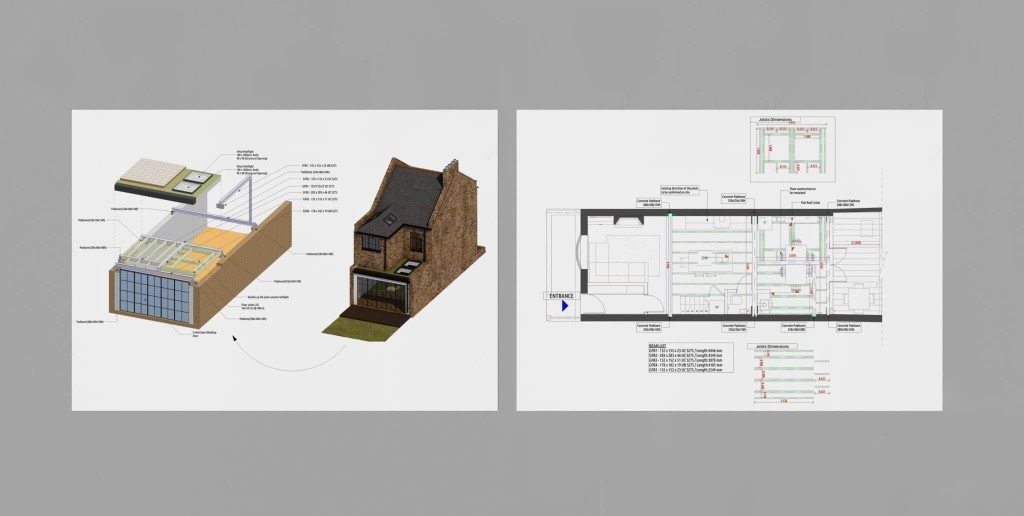
These regulations can be extraordinarily detailed. They influence the number of apartments a developer can construct and the amount of land that must remain available around a building. Fire safety requirements affect circulation spaces while energy regulations influence insulation and the design of windows. None of these requirements is inherently unreasonable because buildings need to be safe and functional. Yet the enormous attention devoted to technical compliance makes the treatment of architectural beauty particularly interesting. In many places the appearance of a building is considered during planning approval but the standards are relatively broad. Local authorities may require new developments to respect the character of their surroundings without establishing a clear architectural language that designers must follow. The interpretation of these requirements can leave considerable room for disagreement. A developer might argue that a plain modern facade represents an appropriate contemporary addition to a historic street. A planning authority might accept this interpretation even when local residents believe the design is completely unsuitable.
The situation becomes more complicated when historic buildings are involved. In Germany a listed building is subject to heritage protection under the laws of the relevant federal state. Alterations that affect its protected character may require special permission and owners can face restrictions on replacing historic windows or changing important architectural details. Similar protections apply to listed buildings in Britain where unauthorised alterations can carry serious legal consequences. These restrictions exist because society recognises that historic architecture is worth preserving. The owner of a beautiful nineteenth-century house may therefore face substantial obligations when carrying out even relatively modest renovations. Yet a new building on a nearby plot may be permitted to use a completely different architectural language if the applicable planning and heritage controls allow it. This creates an obvious tension. We recognise that historic architecture contributes to the character of a city but do not necessarily require new architecture to make a comparable contribution.
Of course some European cities already have stronger architectural controls. Municipal design statutes in Germany can regulate elements of building appearance while conservation areas in Britain give authorities additional powers to protect historic character. France also uses heritage protections and planning rules to regulate development in sensitive areas. The legal tools therefore exist in various forms. What differs is how strongly cities choose to use them and what kind of architecture they want to encourage. There is no fundamental reason a municipality could not establish clear rules requiring new buildings in a historic neighbourhood to respect traditional proportions and materials. Such rules would need to be legally sound and consistent with the wider planning framework but they would hardly be an unprecedented interference with architectural freedom. We already accept that developers must respect countless restrictions when constructing a building. Why should preserving the beauty of a street be considered less important than regulating its technical characteristics? A city could decide that new buildings in certain neighbourhoods should follow established architectural principles while allowing greater experimentation elsewhere. It could establish clear expectations for facade composition and roof forms without requiring every house to become an exact copy of its neighbours. This would provide architects with a framework similar to the one that helped create many of Europe’s most admired streets. The purpose would be to ensure that individual projects contribute to something larger than themselves.
If these essays have changed the way you see the world around you, the paid tier goes further.
You get longer, more researched pieces on the places that shaped Western civilization and the stories behind them. Deep dives into tradition, craftsmanship, and what the built world reveals about culture. Travel guides that teach you to actually read the places you visit.
This project is kept alive by people who care about old-world traditions. For a few dollars a month, you can be one of them.
3. Is Traditional Architecture Really Too Expensive?
Continue reading below.