

Millions of people travel to admire the beautiful streets of old European cities. Yet the architects designing our new buildings seem determined to give us something entirely different. How did the profession become so disconnected from the people it builds for?
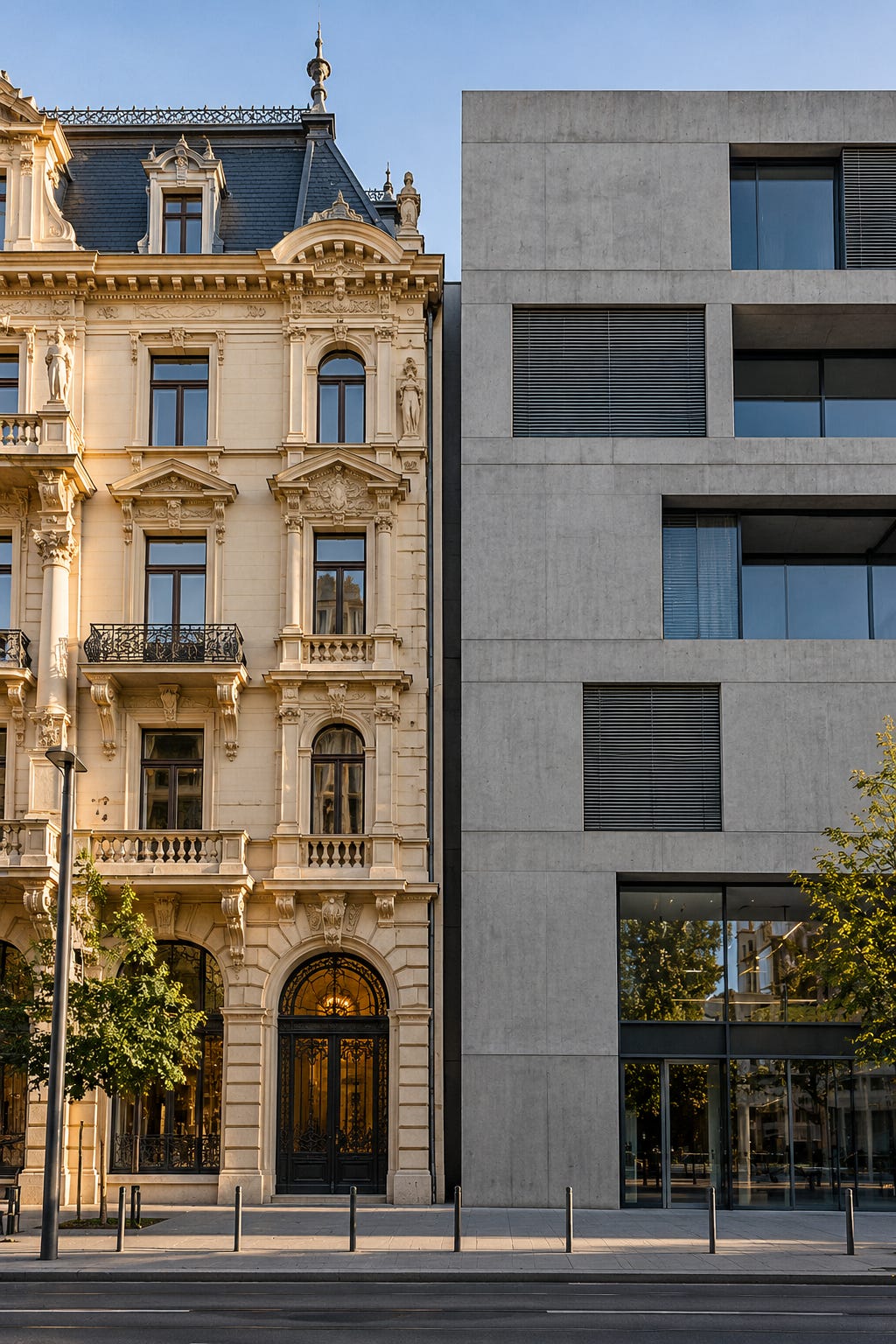
Walk through the historic center of Prague or Vienna and you will see people stopping to photograph buildings that were constructed centuries ago. They admire the beautiful facades and the craftsmanship that went into even ordinary houses. Entire neighborhoods have become tourist attractions because people enjoy looking at the architecture.
Now think about the last modern apartment building you saw being constructed.
Was anyone stopping to admire it?
Of course there are beautiful modern buildings and plenty of ugly old ones. But there is something strange about a profession that seems so interested in producing buildings that look nothing like the places people travel across the world to visit.
We know that people love traditional architecture. We see it in the popularity of historic European towns and the enormous effort governments make to preserve them.
Yet when it comes to building new neighborhoods we frequently get plain concrete facades and enormous glass boxes that could stand in almost any city.
And the strangest part is that many of these buildings are praised by the architectural profession itself.
So how did we reach a point where architects and ordinary people seem to have such different ideas about what makes a beautiful building?
When Architects Stopped Trying to Please Ordinary People
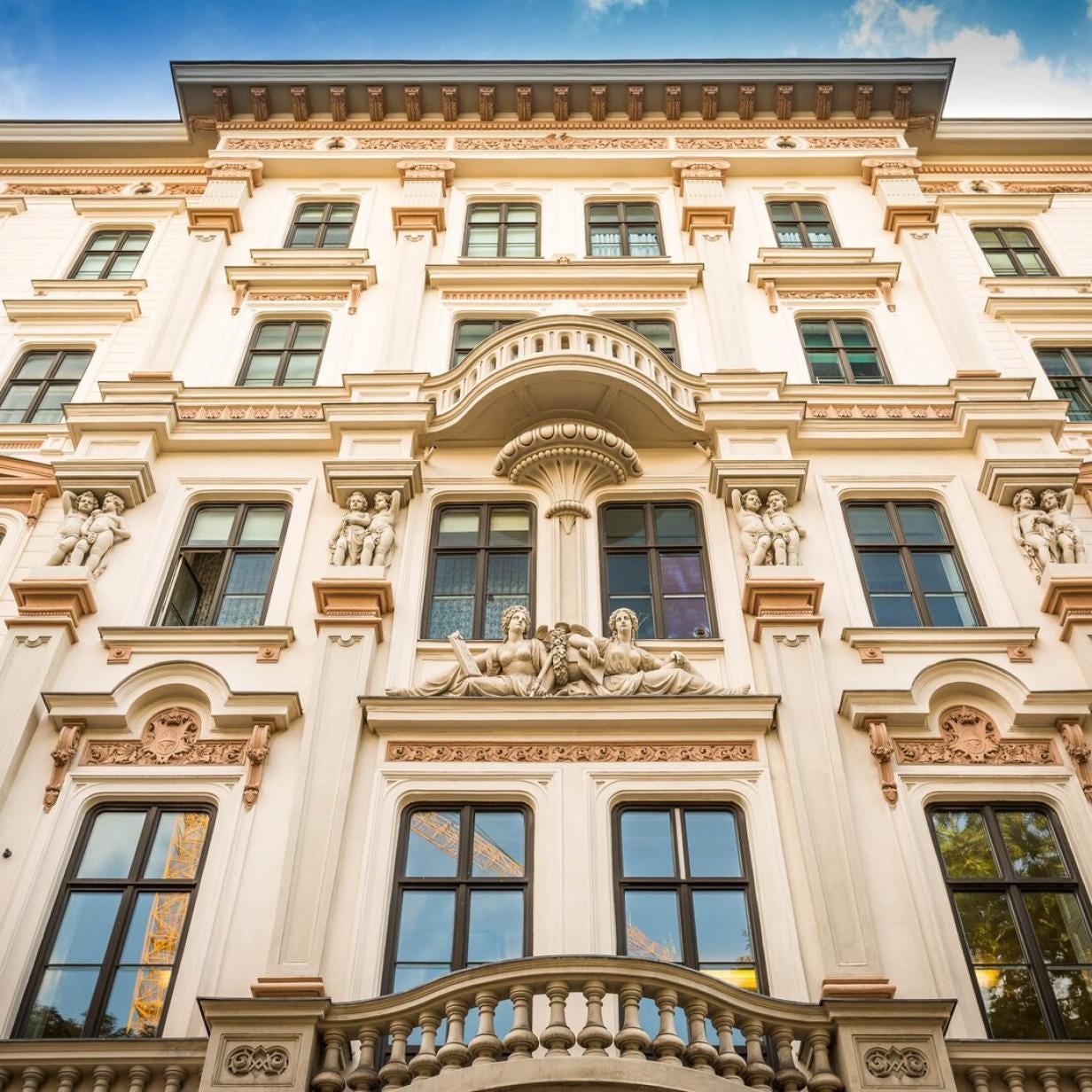
For centuries architects worked within traditions that placed enormous importance on proportion and decoration. Their buildings were expected to serve practical purposes while contributing something beautiful to the streets around them.
A successful architect needed to understand how windows should be arranged and how the different parts of a facade should relate to one another. Even relatively modest buildings could feature elegant entrances and carefully designed details.
This did not mean every building was beautiful or that everyone agreed about good taste. But architects inherited a common language of design that ordinary people could recognize and appreciate.
During the twentieth century that relationship began to change.
Modernist architects challenged the architectural traditions of earlier generations and argued that the modern world required an entirely new approach to building.
Architects such as Le Corbusier believed that architecture should respond to industrial society through new materials and rational planning. Ornament increasingly came to be regarded as unnecessary while geometric simplicity became an important feature of modern design.
These ideas were influential because they promised a new architecture suited to modern life.
But they also changed the way architects understood their profession.
Instead of working within a tradition that developed over centuries architects were encouraged to create something original and break with established conventions.
Innovation became an important measure of architectural achievement.
And once originality becomes more important than beauty it becomes possible to praise a building precisely because it looks unlike anything people are accustomed to seeing.
Le Corbusier put the case for this break in Towards a New Architecture (1923):
“Architecture is the masterly, correct and magnificent play of masses brought together in light. Our eyes are made to see forms in light; light and shade reveal these forms; cubes, cones, spheres, cylinders or pyramids are the great primary forms which light reveals to advantage; the image of these is distinct and tangible within us without ambiguity. It is for this reason that these are beautiful forms, the most beautiful forms. Everybody is agreed to that, the child, the savage and the metaphysician. The ‘styles’ are a lie. … A house is a machine for living in. … You employ stone, wood and concrete, and with these materials you build houses and palaces. That is construction. Ingenuity is at work. But suddenly you touch my heart, you do me good, I am happy and I say: ‘This is beautiful.’ That is Architecture. Art enters in. It is a question of building which is at the root of the social unrest of today: architecture or revolution. Modern life demands, and is waiting for, a new kind of plan, both for the house and the city.”
The critic Léon Krier later diagnosed the long-term result of that shift:
“Modernist architecture and town planning is inimical to human beings… based on the Darwinian concept that evolution is open ended, that there must always be something new and better. … The problem was Le Corbusier was a genius and an enormous artist, but he tried to resolve problems to which there is no solution. So the idea to demolish the centre of Paris in order to adapt it to the car—he drew it!—is something not even the most bloody dictators conceived.”
Architecture Became an Intellectual Exercise
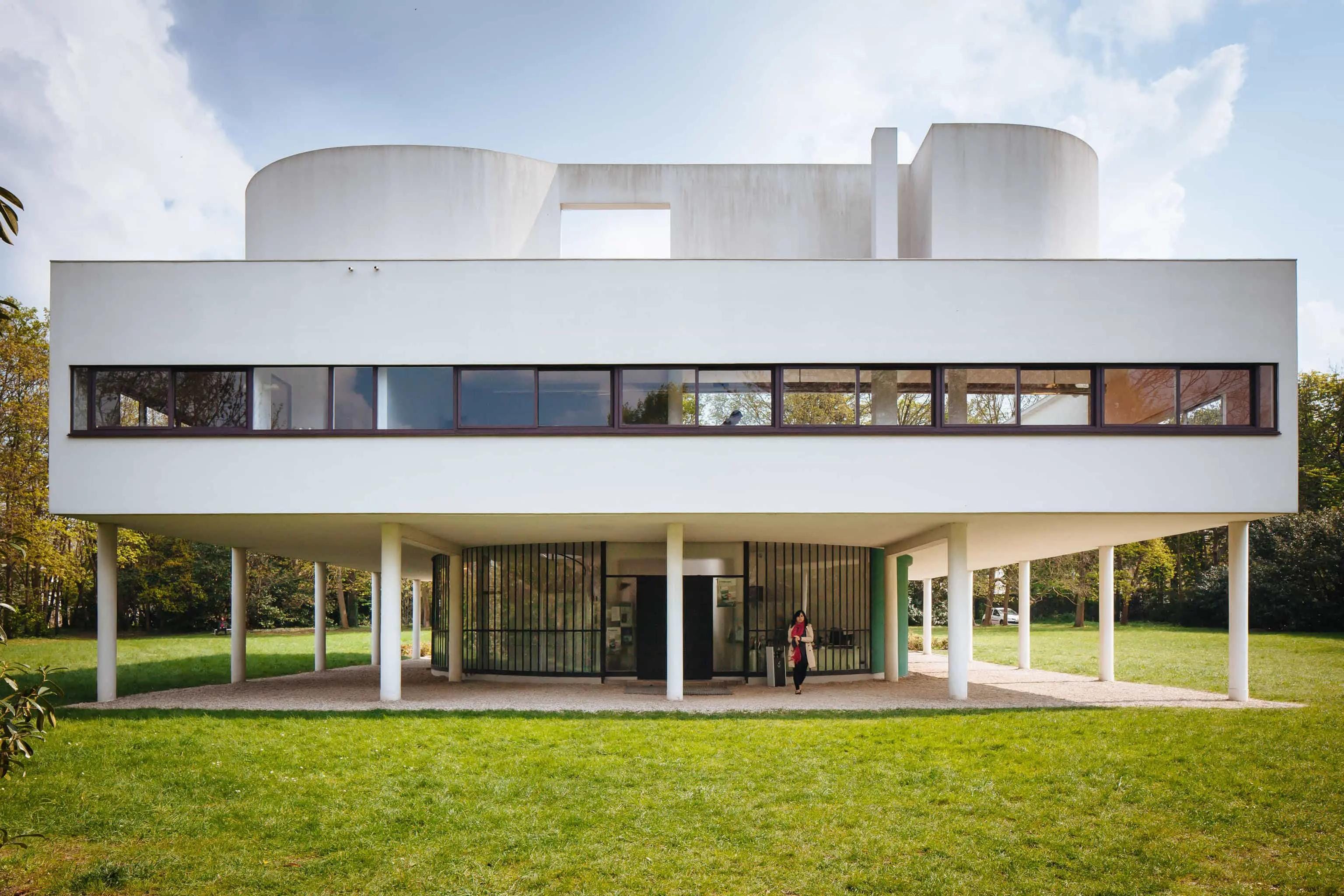
One reason modern architecture can feel disconnected from ordinary people is that architects are frequently trained to think about buildings differently from the public.
An architect might admire a building because it explores an unusual structural idea or challenges established conventions.
Someone walking past the same building may simply wonder why it looks so unpleasant.
Neither person is necessarily looking at the building in the same way.
Architectural education places considerable emphasis on concepts and design experimentation. Students are encouraged to develop original ideas and explain the intellectual reasoning behind their projects.
There is nothing wrong with this in itself because architecture requires creativity and technical knowledge.
But problems arise when the explanation becomes more important than the building.
A facade might be described as an exploration of fragmentation or a response to the surrounding urban fabric. The architect may provide an elaborate explanation of the design while the people who live nearby see little worth admiring.
And this raises an uncomfortable question.
Should a building need a lengthy explanation before people can appreciate it?
When you stand in front of a beautiful Renaissance palace you do not need to understand the architect’s philosophy to recognize that someone took great care with its design.
You can admire the proportions and the arrangement of its windows without knowing anything about the building’s history.
Traditional architecture communicates much of its beauty directly through what people see.
Some contemporary architecture requires a very different kind of appreciation.
Its admirers may value the underlying concept more than the visual experience of the finished building.
That helps explain why a project can receive professional recognition while leaving many people completely unimpressed.
Adolf Loos drew a sharp distinction between private art and public building that still resonates:
“The house has to please everyone, contrary to the work of art which does not. The work is a private matter for the artist. The house is not. … The work of art is brought into the world without there being a need for it. The house satisfies a requirement. The work of art is responsible to none; the house is responsible to everyone. The work of art wants to draw people out of their state of comfort. The house has to serve comfort. The work of art is revolutionary; the house is conservative.”
Why Architectural Awards Don’t Always Reflect Public Taste
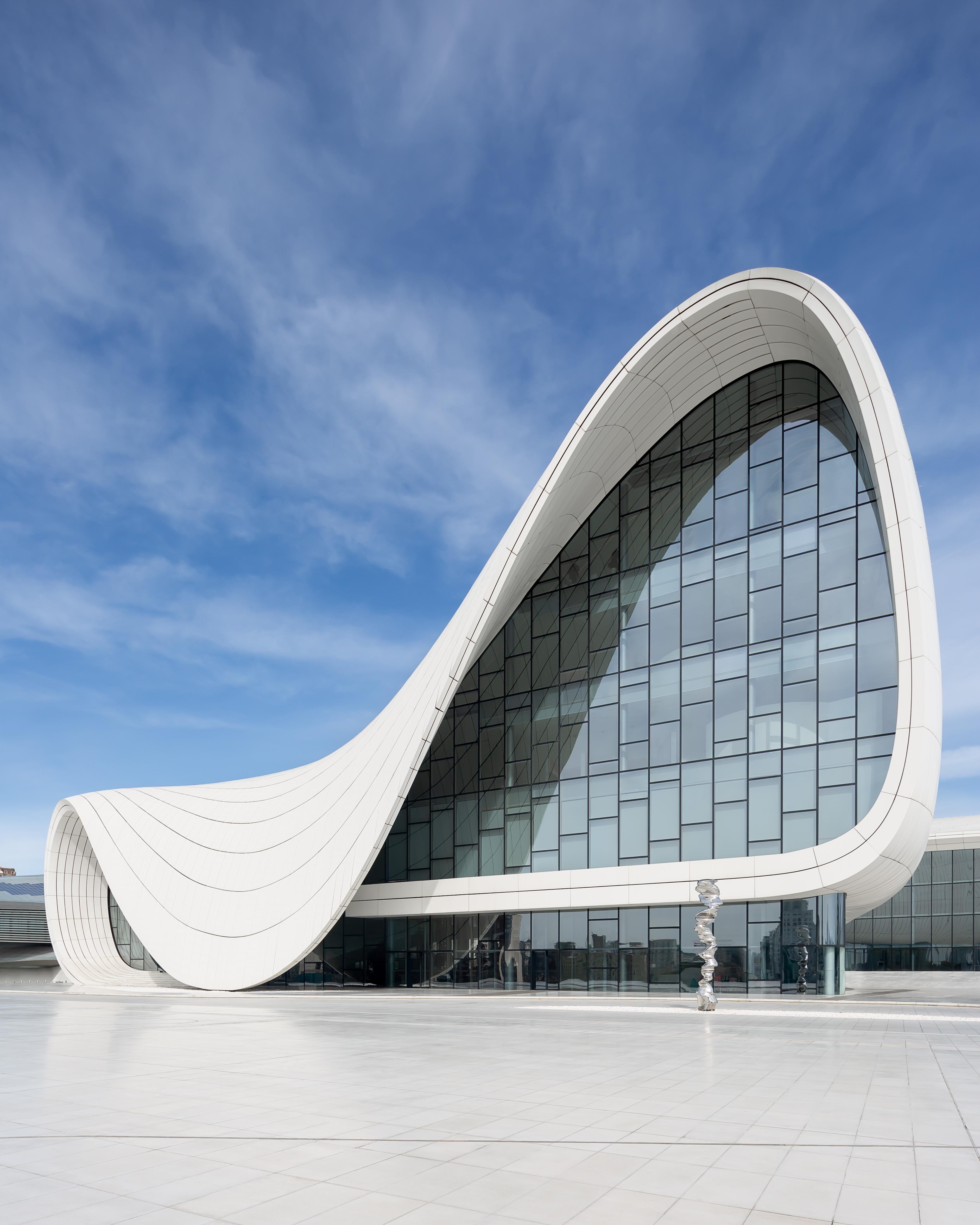
Architectural awards can recognize extraordinary achievements in design and engineering. They can also celebrate buildings that challenge established ideas about what architecture should look like.
But the priorities of award juries do not necessarily match those of the people who live with the buildings.
A jury might reward an innovative use of materials or an unusual approach to spatial organization. Residents may care more about whether the building looks attractive and contributes to a pleasant street.
These priorities can overlap but they are not identical.
The difference becomes especially interesting when architects discuss the buildings they admire most.
Many celebrated contemporary projects are praised for their originality and willingness to challenge convention.
Yet originality tells us very little about whether a building is beautiful.
A house can be completely unlike anything built before and still be unpleasant to look at.
Meanwhile a carefully designed traditional building may receive little attention from architectural critics because it follows established principles.
This creates a peculiar situation.
An architect who designs an attractive building in a familiar style may be accused of lacking imagination while another who produces a deliberately unconventional structure may be celebrated for innovation.
But why should the second achievement automatically be considered more important?
The people who live in a neighborhood will see its buildings every day long after the awards have been handed out.
Surely their experience deserves at least as much attention as the opinions of a professional jury.
If these essays have changed the way you see the world around you, the paid tier goes further.
You get longer, more researched pieces on the places that shaped Western civilization and the stories behind them. Deep dives into tradition, craftsmanship, and what the built world reveals about culture. Travel guides that teach you to actually read the places you visit.
This project is kept alive by people who care about old-world traditions. For a few dollars a month, you can be one of them.
We Confused Simplicity With Beauty
One of the most visible changes in modern architecture is the disappearance of ornament..
Continue reading below.