

The buildings line up beside one another and their windows follow a rhythm; shops occupy the ground floor while trees soften the pavement. Even buildings that would never appear in an architecture book contribute something to the scene because somebody thought about how the street would look when everything came together.
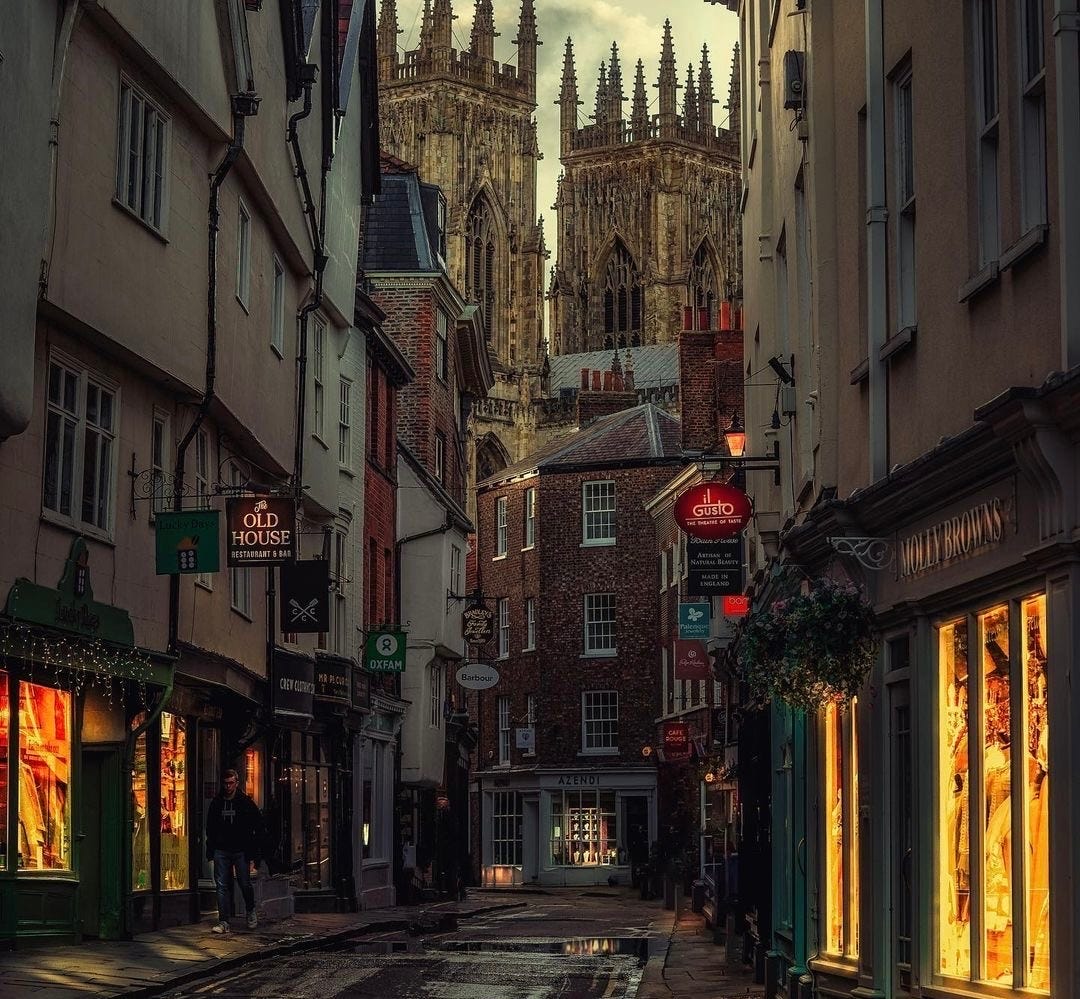
Then walk through many developments built during the last seventy years and the experience changes completely.
The buildings may be perfectly comfortable and the roads may work efficiently; somehow the street itself disappeared.
So what happened?
The answer has surprisingly little to do with people suddenly losing their taste for beautiful architecture. During the twentieth century we changed the way cities were planned and built; once streets became primarily systems for moving cars between separate buildings much of what made the traditional street beautiful became harder to produce.
To understand why we need to look at what a street used to be.
The Street Used to Be a Room
One of the easiest ways to understand an old street is to stop looking at the individual buildings.
Look at the space between them instead.
Traditional buildings usually came right up to the pavement and stood beside their neighbors; together their façades formed two continuous walls with the street running between them.
In urban areas, streets occupy more land than any other public use and make up between 25 and 35 percent of all developed land. Streets are the public realm. They are used for necessary services, transportation, fire and police protection, access to property, and all kinds of social and economic uses. They are not stagnant but rather constantly in change, even though the changes may seem minute, such as repaving. They are owned by the public, which is responsible for them. By locating and designing streets well, one has largely designed the city. In most modern North American cities, and indeed most cities elsewhere in the world, most of the space of city streets is devoted to traffic movement. The functional aspects of streets have received much more attention than their social or community building aspects.
— Allan B. Jacobs, Great Streets (1993)
Paris gives us an unusually clear example.
During the nineteenth-century transformation associated with Napoleon III and Baron Haussmann the city opened new boulevards while regulating the buildings constructed along them. Building height related to street width and adjoining façades produced what Paris itself describes as a rue mur: literally a street wall.
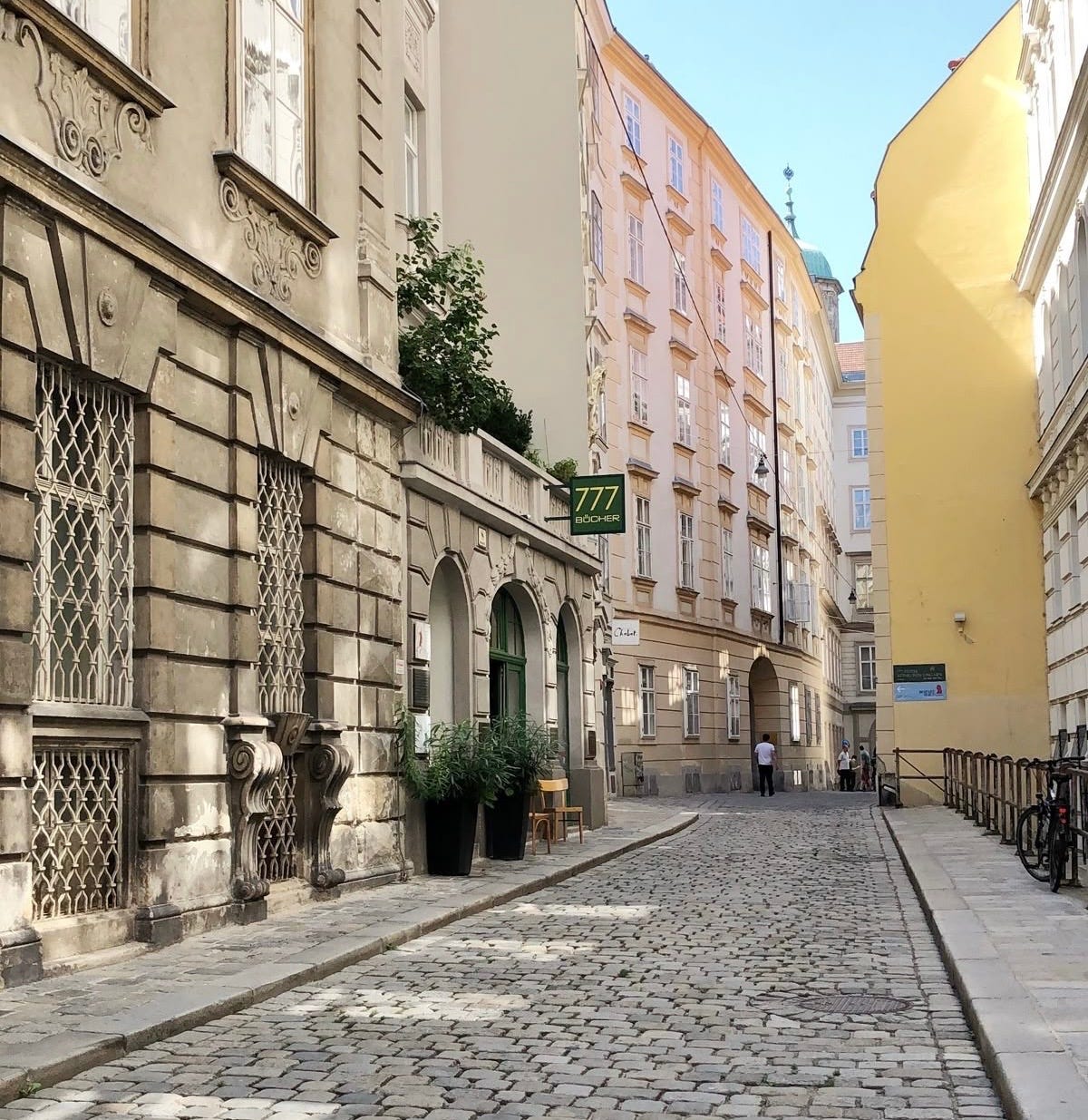
That is why a Parisian boulevard can feel coherent even when dozens of different buildings belong to dozens of different owners.
The architecture changes.
The street remains.
If these essays have changed the way you see the world around you, the paid tier goes further.
You get longer, more researched pieces on the places that shaped Western civilization and the stories behind them. Deep dives into tradition, craftsmanship, and what the built world reveals about culture. Travel guides that teach you to actually read the places you visit.
This project is kept alive by people who care about old-world traditions. For a few dollars a month, you can be one of them.
Paris Designed the Whole Thing
Haussmann’s Paris is useful because the beauty we admire today did not emerge entirely by accident…
Continue reading below.