

Imagine standing in Paris in the summer of 1925. The First World War had ended only a few years earlier, Europe was rebuilding, and despite everything the continent had just endured, there was an unmistakable feeling that the future was going to be different.
Cars were replacing horses, airplanes were shrinking the world, radios were appearing in ordinary homes, and electricity was transforming cities after dark. People weren’t looking backwards anymore. They wanted to know what the twentieth century would look like, and that summer Paris tried to answer the question.
The city hosted what was officially called the Exposition Internationale des Arts Décoratifs et Industriels Modernes. It’s a long name, and hardly anyone remembers it today, but it gave birth to the term we all know: Art Deco. Millions of visitors walked through the exhibition, admiring everything from furniture and jewellery to cars, fashion and architecture. What they saw wasn’t simply another artistic movement. It was a completely new way of thinking about beauty.
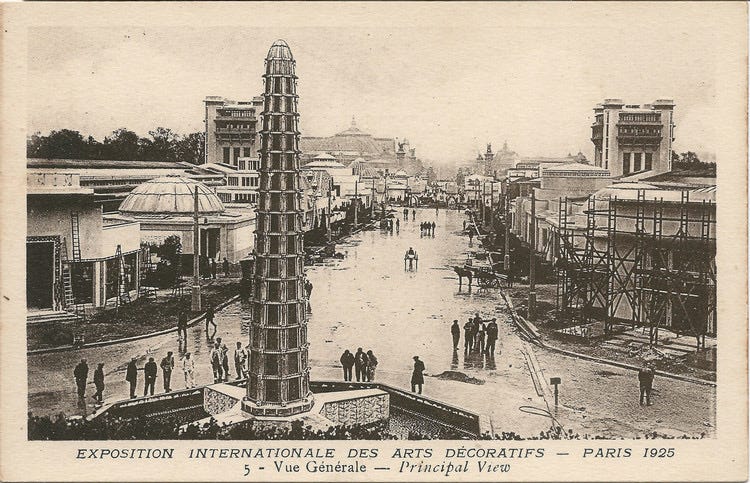
For centuries, architects had borrowed from the past. Renaissance architects looked back to Rome. Gothic Revival architects recreated the Middle Ages. Neoclassical buildings copied ancient Greece. There was nothing wrong with that, but after the First World War many architects felt that the world had changed too much to keep building as if it hadn’t. If the twentieth century had automobiles, skyscrapers and ocean liners, shouldn’t it also have an architectural style that belonged to its own age?
That question is really where Art Deco begins.
What makes the movement so interesting is that it never rejected beauty. That’s one of the biggest misconceptions people have today. When people think of twentieth-century architecture, they picture concrete apartment blocks or glass office towers, but those came later. Art Deco architects believed modern buildings could embrace new materials and new technology without giving up elegance. They simply expressed beauty differently.
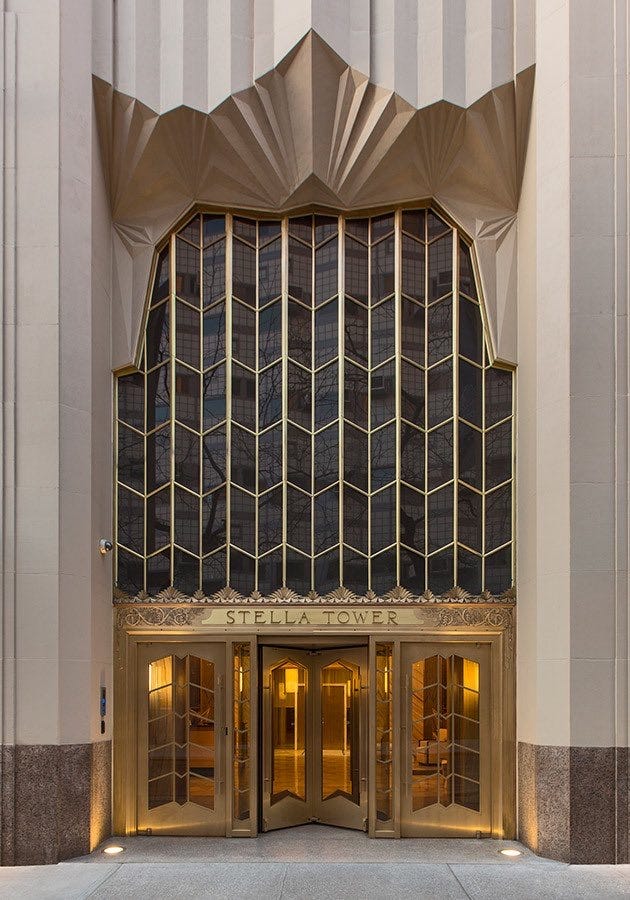
Instead of Gothic arches, they used clean geometric lines. Instead of medieval carvings, they filled façades with stylised sunbursts, zigzags and patterns inspired by ancient Egypt, Greece and even the civilizations of Central America. The decoration was still there; it just belonged to a different century.
Once the exhibition ended, the style spread quickly. Paris embraced it first, but it wasn’t long before architects in New York, Miami, London, Buenos Aires, Shanghai and Melbourne were designing buildings in exactly the same spirit. For perhaps the first time in history, an architectural movement became genuinely global almost overnight.
New York, of course, became its greatest stage.
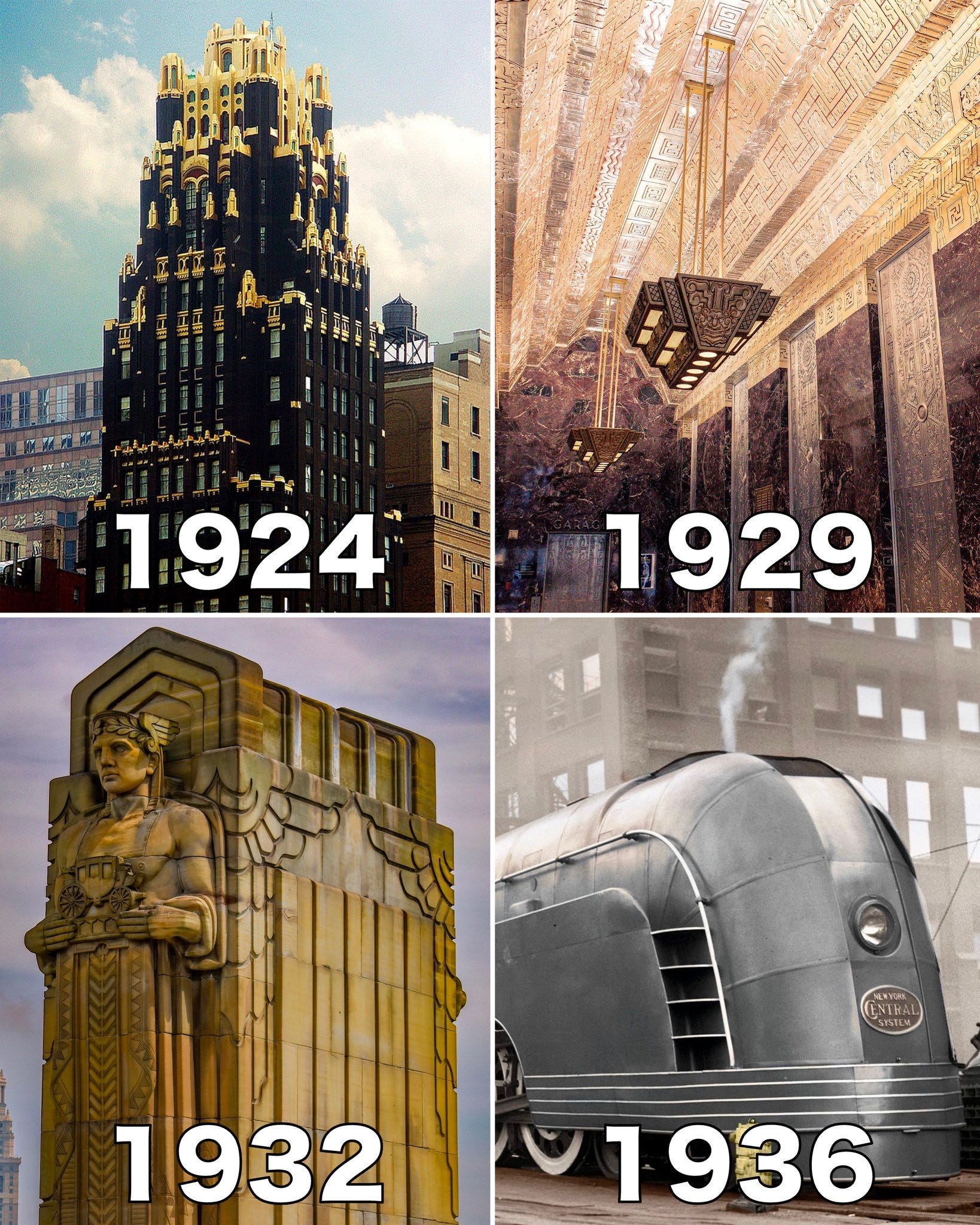
If you’ve ever looked at photographs of Manhattan in the 1930s, you’ll notice something fascinating. The city’s skyline wasn’t simply growing taller. The skyscrapers themselves seemed to compete with one another, each trying to be more elegant than the last. No building captures that better than the Chrysler Building.
When it opened in 1930, it wasn’t just the tallest building in the world. It was a celebration of everything people associated with modern life. Its stainless-steel crown shimmered in the sunlight, while enormous eagle sculptures projected from the corners, inspired by the hood ornaments found on Chrysler automobiles. Nearly a century later, it still manages to look futuristic, which says something about the architects who designed it.
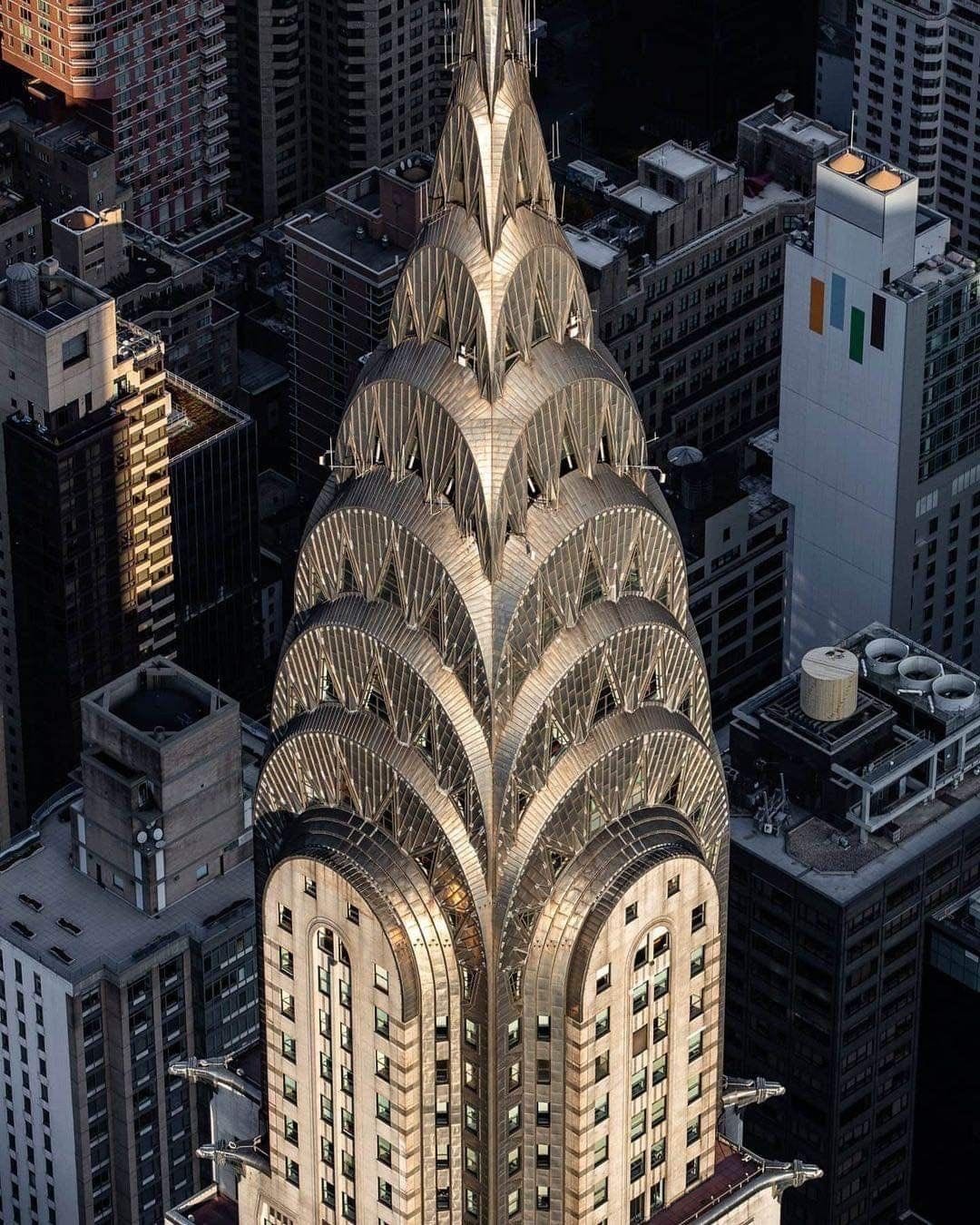
What’s easy to forget is that the Chrysler Building opened at one of the worst possible moments in history.
Only months earlier, Wall Street had crashed.
If these essays have changed the way you see the world around you, the paid tier goes further.
You get longer, more researched pieces on the places that shaped western civilization and the stories behind them. Deep dives into tradition, craftsmanship, and what the built world reveals about culture. Travel guides that teach you to actually read the places you visit.
This project is kept alive by people who care about old world traditions. For a few dollars a month, you can be one of them.
The optimism that had defined the 1920s disappeared overnight. Businesses collapsed, unemployment exploded and governments struggled to keep their economies alive. Yet some of the greatest Art Deco buildings were completed during those difficult years. The Empire State Building opened in 1931, even though so few companies could afford office space that people jokingly called it the “Empty State Building.”
Looking back, there’s something moving about that. These buildings were designed during a period when people desperately needed reasons to believe tomorrow would be better than today. Their soaring towers weren’t simply office blocks. They became symbols of confidence at a time when confidence was in short supply.
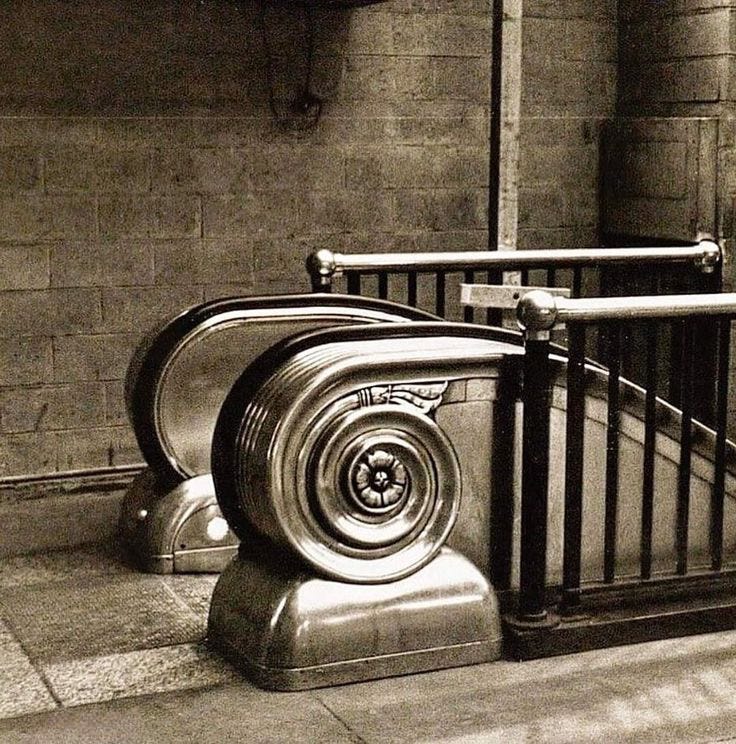
Art Deco wasn’t limited to skyscrapers either. One of the things I didn’t fully appreciate until I started reading about it is how completely the movement influenced everyday life. Luxury ocean liners adopted Art Deco interiors. Railway stations embraced it. Cinemas, hotels, department stores and even household objects such as clocks, radios and furniture suddenly shared the same clean lines and geometric elegance. For almost twenty years, modern life itself seemed to have an Art Deco aesthetic.
What I also found fascinating is how international the movement became without losing its identity. Ancient Egypt inspired many of its decorative motifs after the discovery of Tutankhamun’s tomb in 1922. Classical Greece influenced its proportions. Mesoamerican civilizations inspired geometric patterns. Yet somehow all of these influences blended together into something modern rather than historical.
Then, just as quickly as it had appeared, the movement faded..