

For centuries, you could understand a European city simply by looking upward, because the skyline told you almost everything about what that civilization valued most deeply, and wherever you traveled across medieval Europe, whether you arrived in Florence, Cologne, Prague, Siena, Paris, or countless smaller towns most people today have never heard of, the tallest structure was usually the cathedral, the abbey, or the bell tower rising above the rest of the city like a permanent reminder that religious life stood at the center of society.
And that mattered far more than modern people realize, because skylines are never accidental collections of buildings scattered randomly across space, but physical expressions of hierarchy, belief, and power, revealing what a civilization wants people to admire, what it wants them to fear, and what it believes should stand above ordinary daily life.
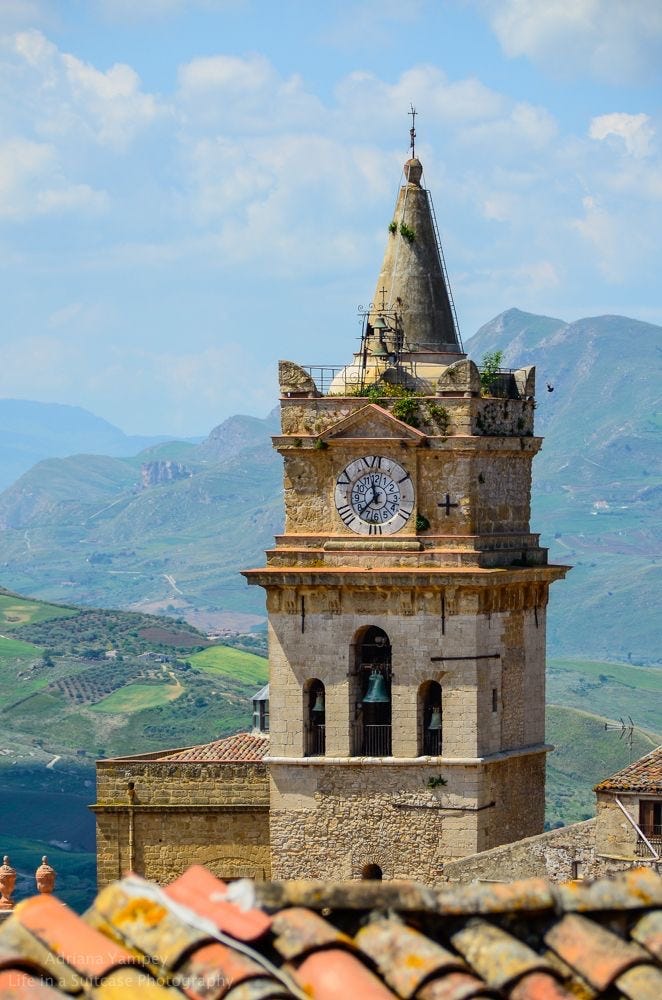
Medieval Europe understood this instinctively, which is why cities spent extraordinary amounts of money, labor, stone, engineering skill, and artistic energy building churches that dominated the skyline for generations, sometimes even for centuries, while entire populations worked on cathedrals they knew they would never live long enough to see completed.
And honestly, once you begin comparing older European skylines with modern ones carefully, you realize the transformation that happened afterward was never just architectural..
1) Medieval Cities Were Designed to Point Upward
One thing modern people struggle to understand is how central the church was to ordinary life in medieval Europe, because today religion usually exists alongside countless competing institutions, while in the Middle Ages the church shaped time, education, morality, law, public ritual, festivals, politics, memory, burial, architecture, and even the physical organization of cities themselves.
That is why cathedrals stood at the center of urban life both symbolically and visually.
The skyline itself was theological.
You entered a city and immediately saw the cathedral rising above everything else.
Its bells organized the rhythm of daily life.
Its tower could often be seen from miles away before the city itself appeared.
And even people who could not read understood what stood at the center of the civilization surrounding them because the architecture told them constantly.
Take Cologne Cathedral.
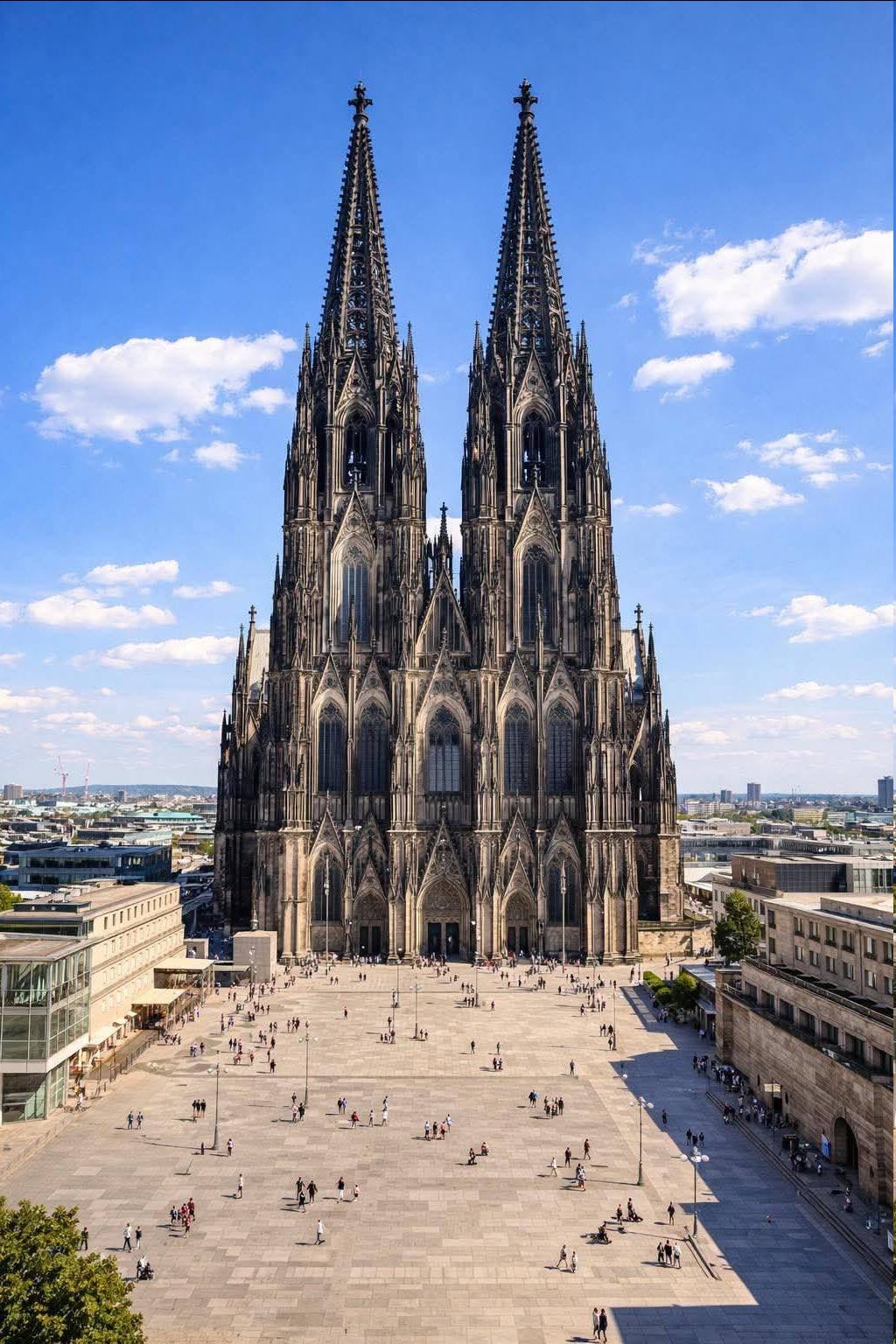
Construction began in 1248 and continued for centuries because medieval people believed building something worthy of God justified enormous sacrifice across generations, and travelers approaching Cologne described seeing the cathedral towers dominating the horizon long before the rest of the city became visible.
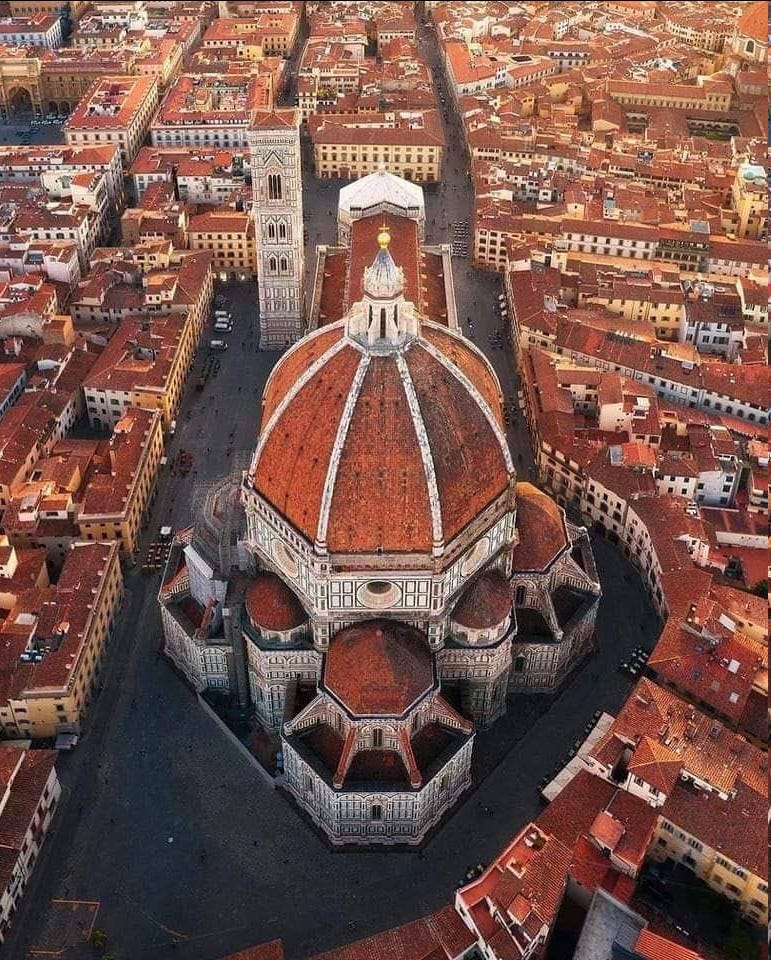
The same thing happened in Florence where Brunelleschi’s dome transformed the skyline completely, or in Strasbourg where the cathedral tower stood so high above the surrounding city that visitors repeatedly described it with amazement in medieval accounts.
And importantly, medieval cities usually prevented commercial buildings from overwhelming religious structures visually because people genuinely believed the sacred should dominate public space.
The hierarchy mattered.
The skyline reflected it physically every single day.
2) Church Bells Once Controlled the Rhythm of Urban Life
Before industrial modernity, church bells organized urban life across Europe constantly because they marked prayer, work, markets, funerals, festivals, warnings, celebrations, emergencies, and public gatherings, while bell towers rising above the city ensured sound spread outward across neighborhoods, streets, workshops, and public squares.
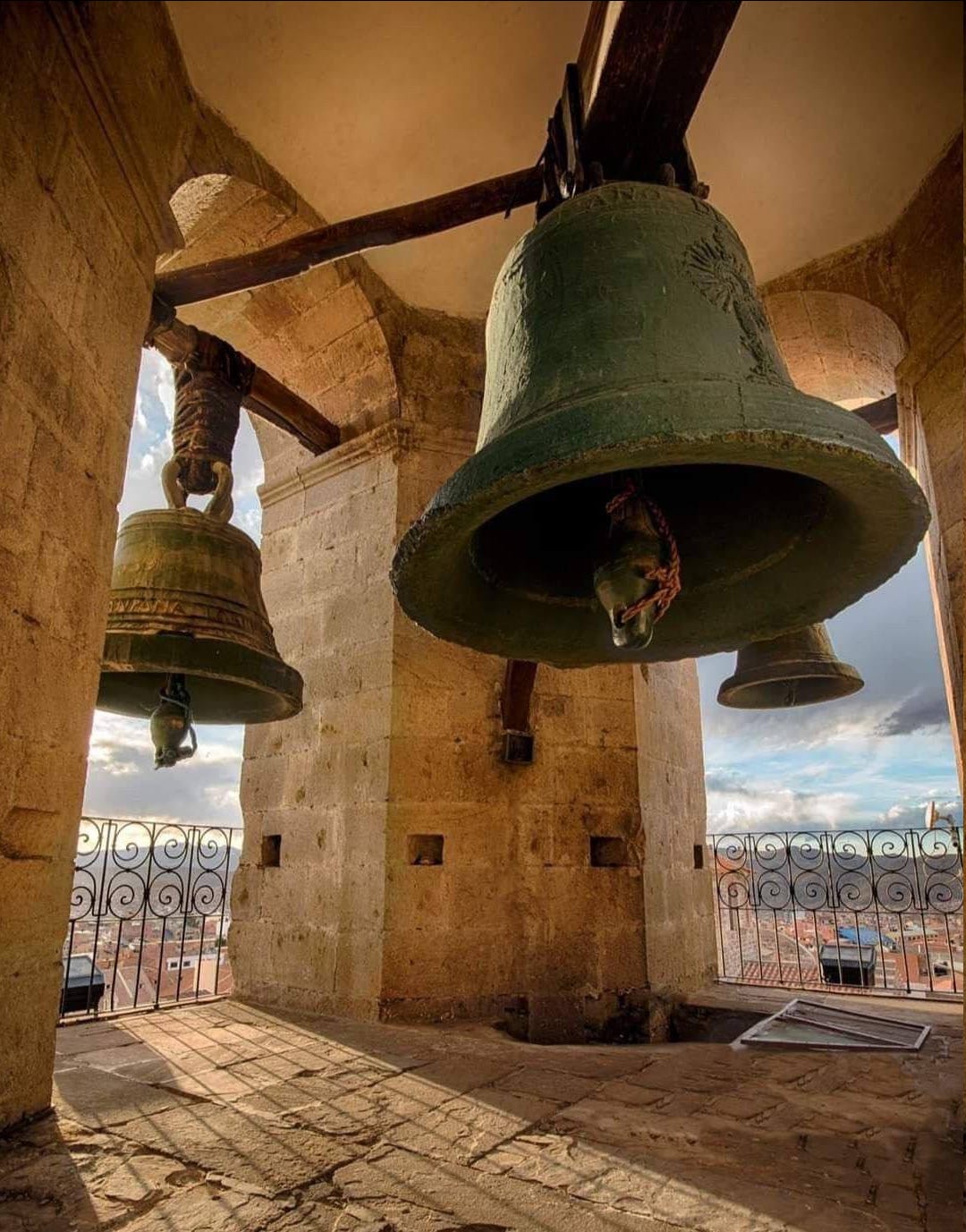
That created something modern cities lack entirely: a shared rhythm binding large populations together through the same structure of time and ritual.
People woke together
Worked together
Prayed together
Celebrated together
And architecture reinforced that rhythm because wherever you walked inside the city, the church remained physically present above you.
Even today, older European cities carry traces of this atmosphere, especially in places where church towers continue dominating the skyline despite modern development surrounding them, because the older hierarchy still shapes how the city feels emotionally even after secularization transformed daily life.
If these essays have changed the way you see the world around you, the paid tier goes further.
You get longer, more researched pieces on the places that shaped western civilization and the stories behind them. Deep dives into tradition, craftsmanship, and what the built world reveals about culture. Travel guides that teach you to actually read the places you visit.
This project is kept alive by people who care about old world traditions. For a few dollars a month, you can be one of them.
3) Then Wealth Gradually Replaced Worship at the Center of the Skyline
The transformation happened slowly rather than all at once, because Renaissance merchant republics already began elevating commercial wealth more visibly through palaces, civic buildings, and banking houses, especially in cities like Florence and Venice where trade and finance became increasingly powerful
Yet even there, church architecture still dominated the skyline symbolically.
The deeper shift accelerated much later through industrialization, secularization, and modern capitalism, because factories introduced chimneys taller than church towers, rail infrastructure reshaped entire cities physically, office buildings multiplied, and eventually skyscrapers emerged as symbols of economic power rather than spiritual authority.
And that changed the emotional meaning of the skyline itself.
Because once the tallest structures in a city become banks, corporate towers, luxury apartments, or office buildings, the city begins communicating a completely different hierarchy whether people consciously notice it or not.
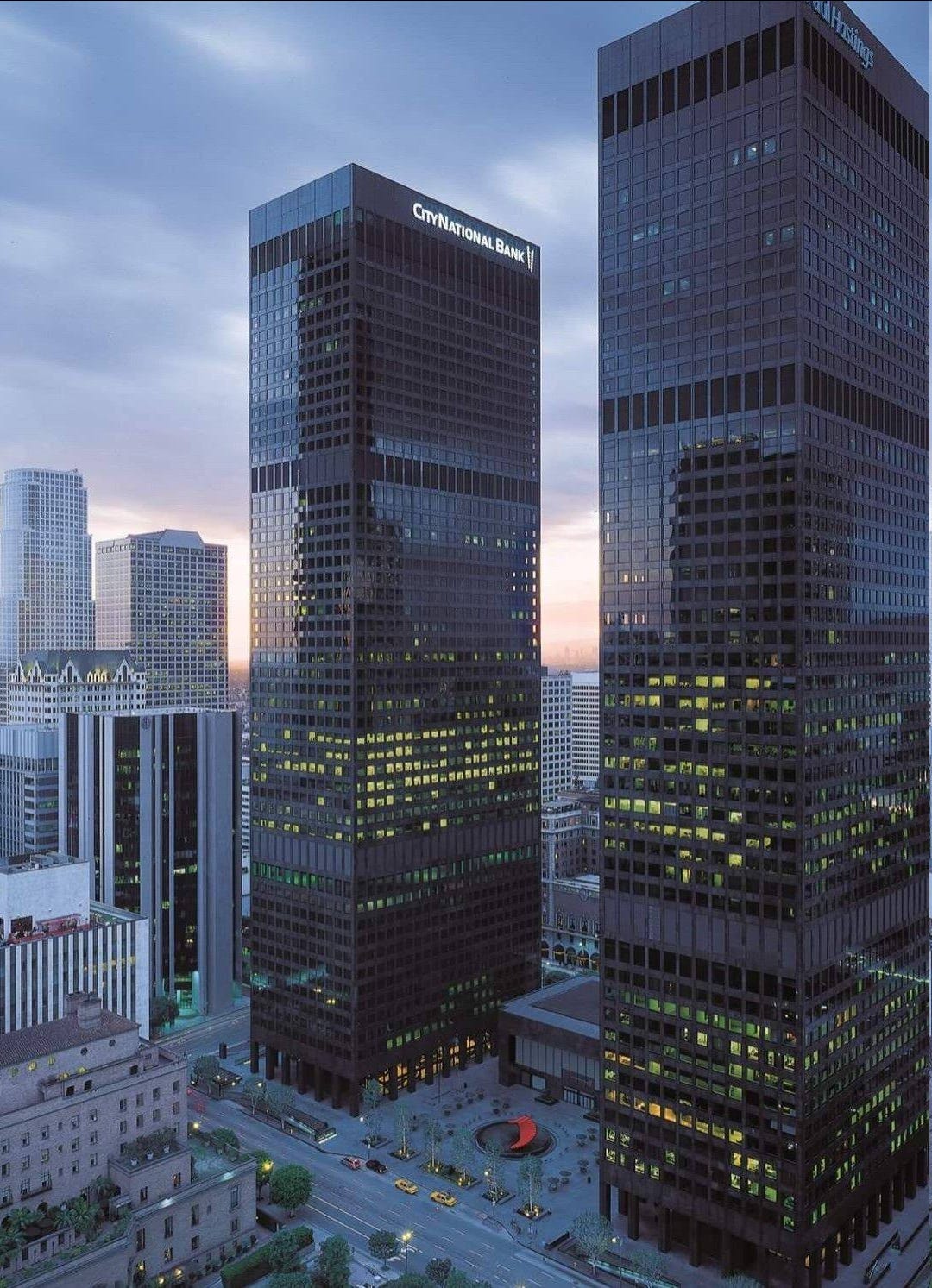
A medieval skyline told you God stood above commerce.
A modern skyline often tells you finance, consumption, entertainment, or corporate power stands highest instead.
And cities feel different because of that shift.
4) Paris Shows the Transition Almost Perfectly
Paris remains one of the clearest examples because for centuries Notre-Dame dominated the city both spiritually and visually in ways difficult for modern tourists to fully understand today.