Walk through Florence, Siena, Bruges, Prague, York, or Rothenburg and you eventually find yourself wondering about something that seems absurd once you put it into words. These cities were built centuries before electricity, centuries before modern engineering software, centuries before power tools, reinforced concrete, industrial manufacturing, and global supply chains, yet they continue attracting millions of visitors every year while countless modern developments struggle to inspire the same affection even a few decades after construction.
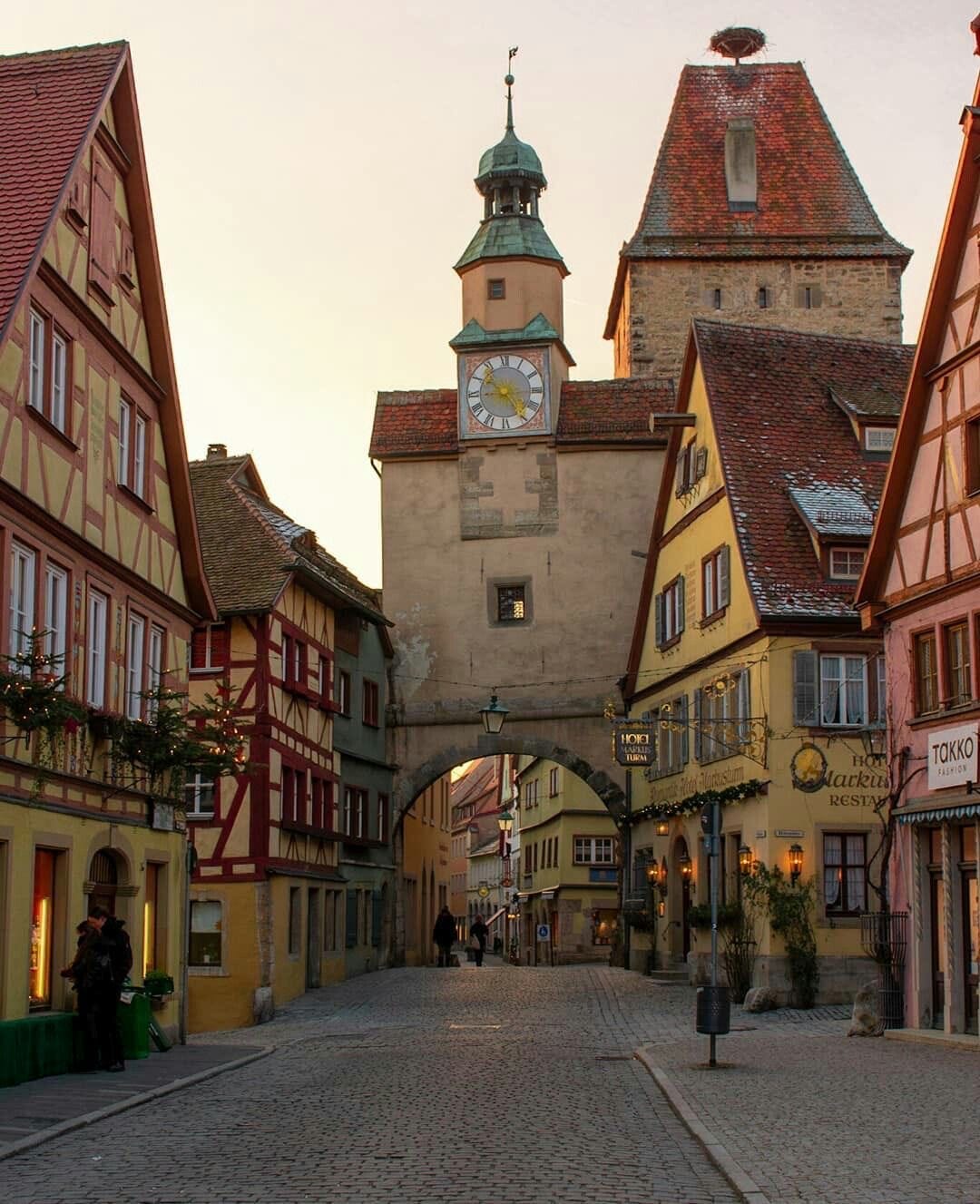
The question becomes even more interesting the longer you spend in these places because their appeal cannot be explained simply by age. Plenty of old buildings are forgotten. Plenty of old neighborhoods are ignored. Plenty of old structures disappear without anyone mourning their loss. Yet certain medieval cities continue drawing people from every corner of the world, and when visitors arrive they describe similar experiences. They talk about beauty. They talk about atmosphere. They talk about feeling comfortable. They talk about wanting to stay longer than they planned. They talk about streets that feel more alive than the places they left behind.
And eventually a second question emerges.
If medieval builders created places that people still love eight hundred years later, why does it feel so difficult to create similar places today?
The answer has little to do with technology. In fact, technology may be the least interesting part of the story. The deeper explanation lies in how medieval people thought about time, beauty, craftsmanship, community, and the purpose of architecture itself, because the buildings we admire today were not simply products of stone and timber. They were products of an entire civilization.
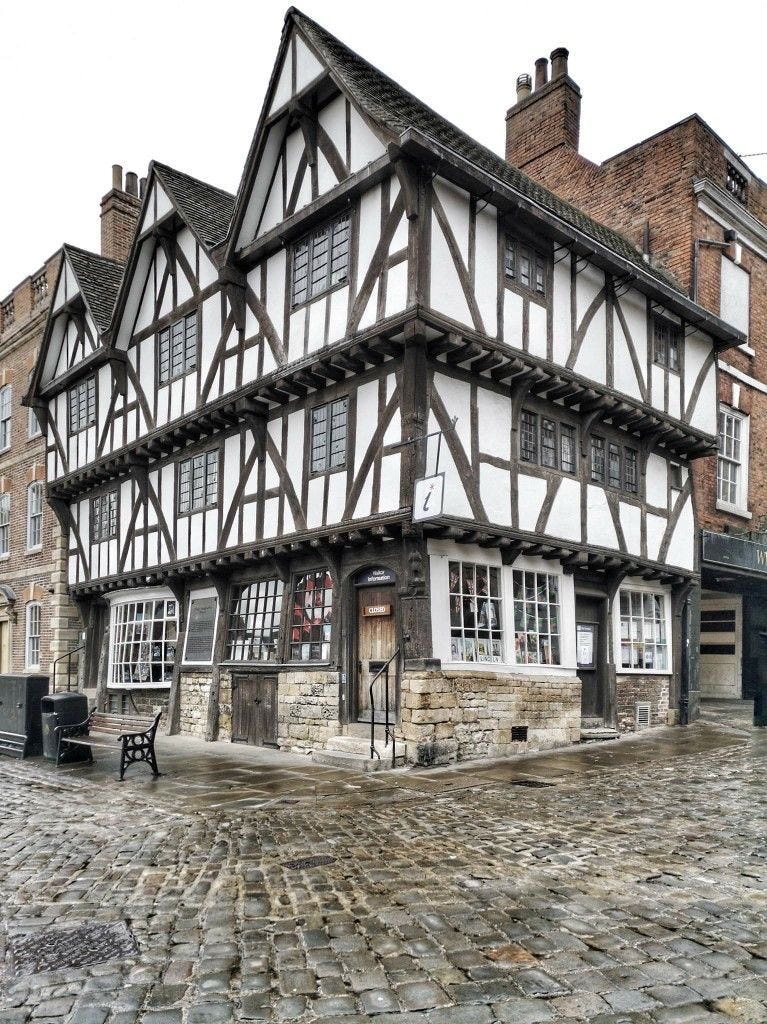
One of the biggest misunderstandings people have about medieval cities is the idea that they were designed by brilliant architects working from comprehensive master plans. Modern people imagine someone sitting at a desk drawing an entire city into existence before construction begins, yet most historic cities evolved through a very different process. Florence was not built all at once. Neither was Prague. Neither was Bruges. Generation after generation added something to what already existed. A merchant built a house. A guild financed a hall. A bishop commissioned a church. A family expanded a workshop. A city enlarged a market square. A monastery acquired land and developed it. Over centuries these decisions accumulated until they produced urban environments that feel extraordinarily rich and complex.
What makes this important is that the people making those decisions usually expected their descendants to live with the results.
A builder constructing a house in medieval Siena was rarely thinking about selling it to an anonymous buyer as quickly as possible. He expected his children to see it. His grandchildren would likely see it. His reputation remained attached to the structure long after construction finished. The same was true for craftsmen carving stone, masons laying foundations, merchants funding public buildings, and religious communities constructing churches. Their relationship to the city extended beyond the immediate present because they understood themselves as participants in a story that began before they arrived and would continue after they were gone.
That mindset changes architecture more than you realize.
A society that thinks in generations builds differently from a society that thinks in decades. Materials are chosen differently. Standards become different. Decisions about maintenance become different. Expectations become different. When construction begins on a cathedral that may take a century to complete, the entire project operates according to assumptions that feel almost foreign today.
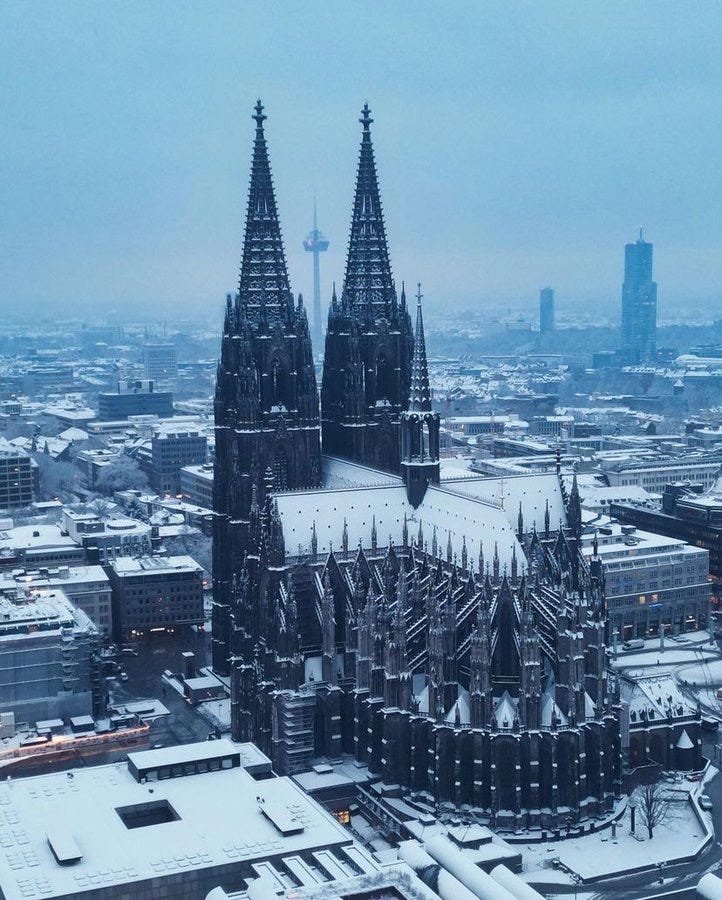
Take Cologne Cathedral. Construction began in 1248 and continued for centuries. The people who laid the first stones knew they would never see the finished building. Yet they invested extraordinary effort anyway because completion was never the sole purpose. They saw themselves as contributing to something larger than themselves, something that would belong to future generations as much as their own.
That way of thinking appears throughout medieval Europe..