

For more than a century, architectural progress has been associated with breaking away from tradition.
Ornament was abandoned, classical proportions were questioned, and centuries of accumulated knowledge were often dismissed as outdated.
Yet across Europe, the streets and buildings that continue to inspire admiration are frequently those built long before modernism.
Perhaps the future of architecture does not require another revolution, but a rediscovery of what we have forgotten..
The Paradox of Architectural Progress
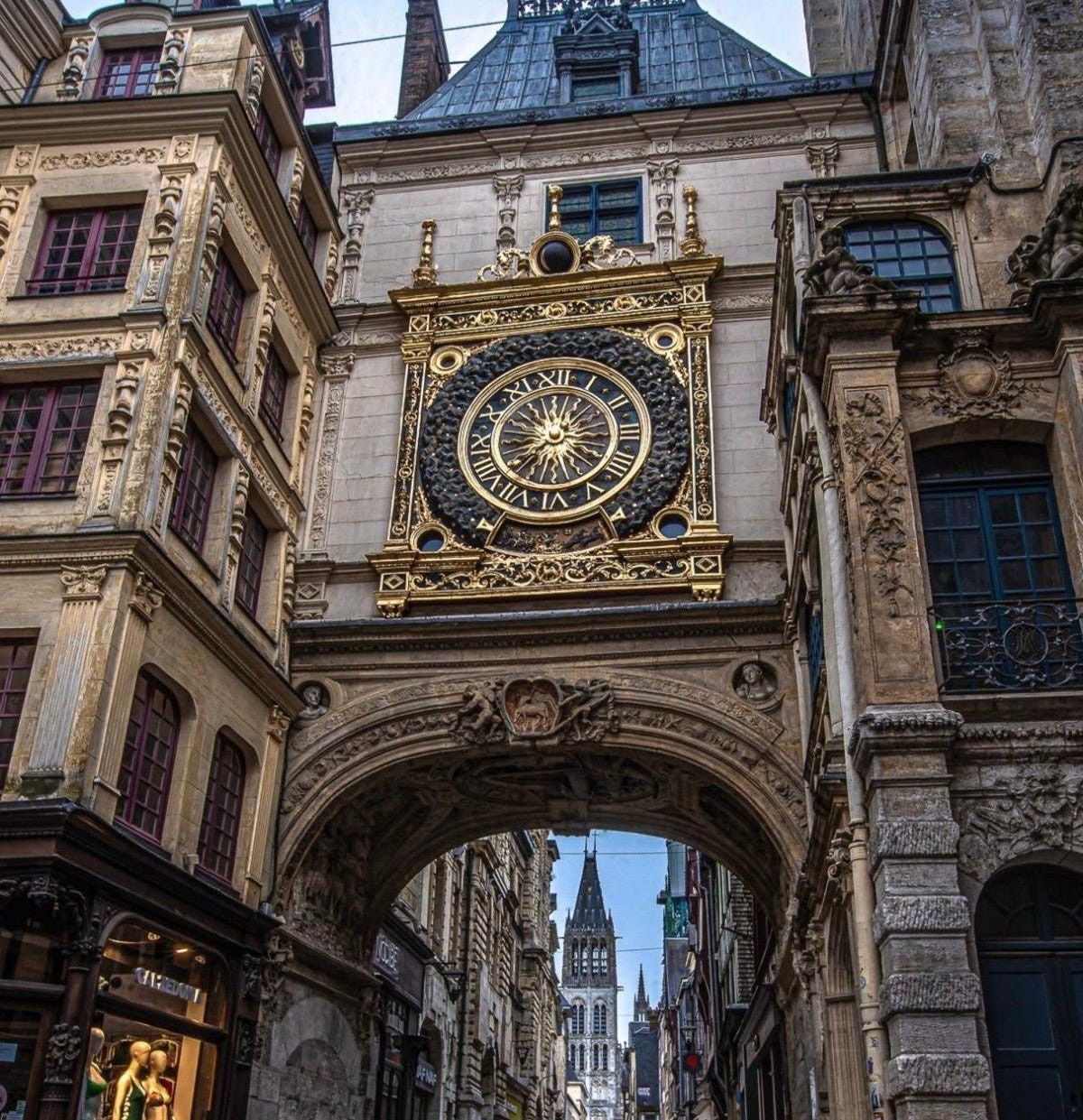
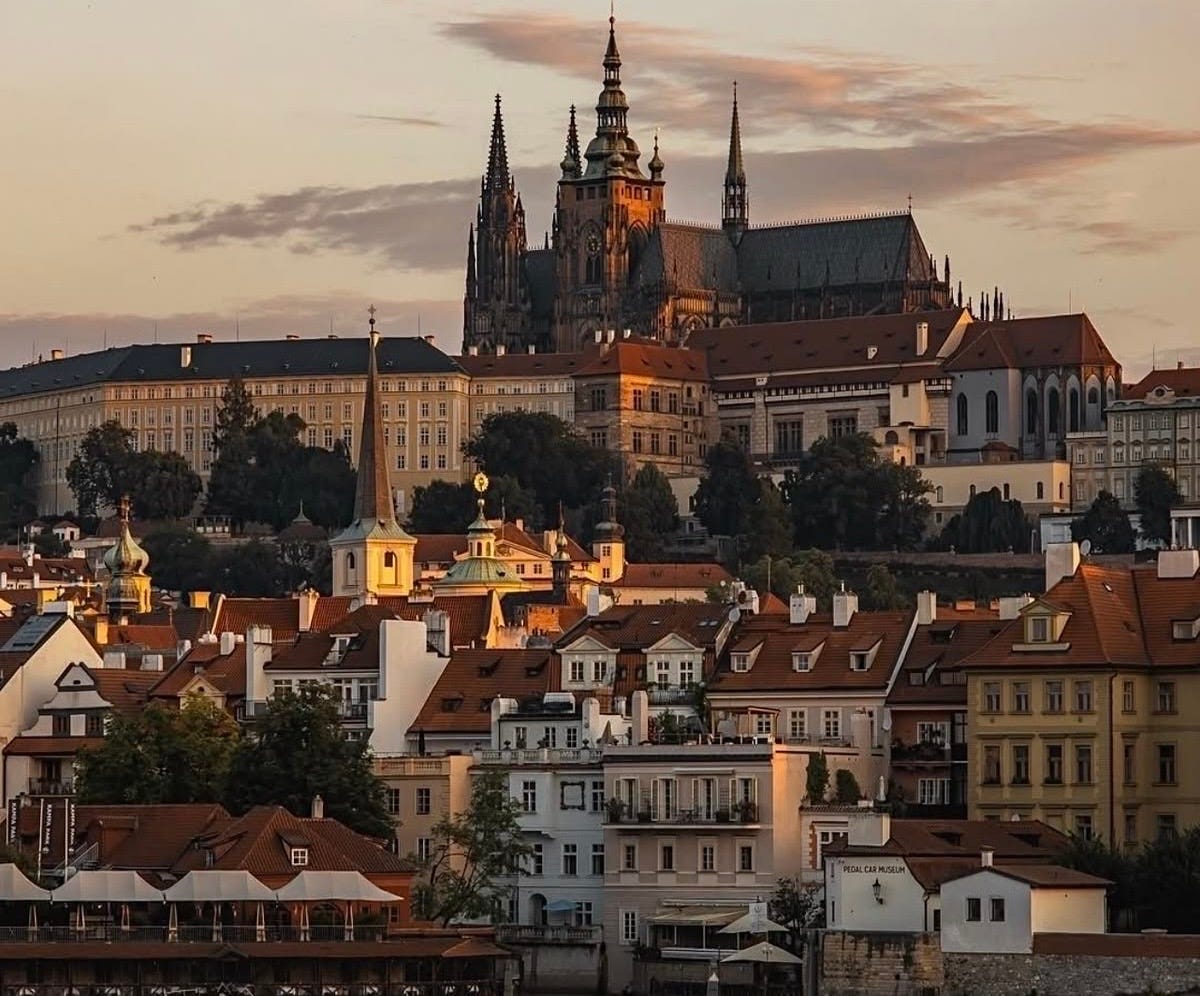
Walk through the historic centres of Paris, Vienna, Prague, or Rome, and one encounters something increasingly rare in contemporary urban development: architectural harmony.
Buildings of different ages and styles coexist within a recognisable urban language. Their facades are carefully proportioned, their materials possess texture and depth, and their streets create a sense of enclosure that feels both intimate and monumental.
These environments were not created by a single architect or according to one fashionable theory. They evolved over generations, shaped by local craftsmanship, cultural traditions, available materials, and an understanding of human scale.
Contrast this with many contemporary developments: isolated buildings, extensive glass surfaces, simplified facades, and architectural forms that could belong almost anywhere in the world.
Modern architecture has undoubtedly produced remarkable achievements. Its innovations in engineering, construction, sanitation, and spatial organisation have transformed the way we live. Yet technological progress does not automatically guarantee aesthetic progress.
A building may be efficient, innovative, and structurally impressive without contributing meaningfully to the beauty of its surroundings.
This raises an uncomfortable question for the architectural profession: if architecture has continuously progressed, why do so many of Europe’s most admired urban environments belong to earlier centuries?
Perhaps the answer lies in recognising that innovation and improvement are not always synonymous.
As Christopher Alexander observed in The Timeless Way of Building:
“There is one timeless way of building. It is a thousand years old, and the same today as it has ever been. The great traditional buildings of the past, the villages and tents and temples in which man feels at home, have always been made by people who were very close to the center of this way. It is not possible to make great buildings, or great towns, beautiful places, places where you feel yourself, places where you feel alive, except by following this way. And, as you will see, this way will lead anyone who looks for it to buildings which are themselves as ancient in their form as the trees and hills, and as our faces are.”
Beauty Is Not an Outdated Concept
For centuries, European architecture treated beauty as an essential responsibility.
From the measured proportions of Renaissance palaces to the elaborate craftsmanship of Baroque churches and the restrained elegance of Georgian townhouses, architecture sought to create environments that were not merely functional, but emotionally and culturally meaningful.
Beauty was expressed through proportion, rhythm, symmetry, ornament, material, and the relationship between individual buildings and the wider city.
The arrival of modernism challenged many of these principles. Influential architects and theorists argued for a new architectural language suited to industrial society, one that rejected historical imitation and embraced new materials and construction techniques.
Some of these ambitions were necessary. European cities faced overcrowding, inadequate sanitation, and serious housing shortages. Modernist architects sought solutions to genuine social and technological problems.
But in the process, a broader architectural assumption took hold: that historical forms belonged to the past, and that serious contemporary architecture should visibly distinguish itself from them.
The consequences of this attitude deserve reconsideration.
Why should a cornice, an arch, or a beautifully proportioned window be considered less appropriate today simply because similar elements were used centuries ago?
We do not reject literature because it follows established grammatical principles. We do not dismiss classical music because it uses harmonies developed in earlier periods.
Why, then, should architecture be expected to abandon its own accumulated vocabulary in order to be considered contemporary?
Tradition need not mean repetition without thought. It can provide a foundation for invention, allowing architects to develop new buildings within an enduring language of beauty.
Vitruvius, in De Architectura, articulated the classical foundation of this view with precision:
“Proportion is that agreeable harmony between the several parts of a building, which is the result of a just and regular agreement of them with each other; the height to the width, this to the length, and each of these to the whole. Beauty is produced by the pleasing appearance and good taste of the whole, and by the dimensions of all the parts being duly proportioned to each other. Nothing requires the architect’s care more than the due proportions of buildings.”
Even a leading modernist recognised the same threshold. Le Corbusier wrote:
“You employ stone, wood and concrete, and with these materials you build houses and palaces. That is construction. Ingenuity is at work. But suddenly you touch my heart, you do me good, I am happy and I say: This is beautiful. That is Architecture. Art enters in.”
Europe’s Architectural Identity Is Worth Preserving
One of Europe’s greatest architectural strengths is its diversity.
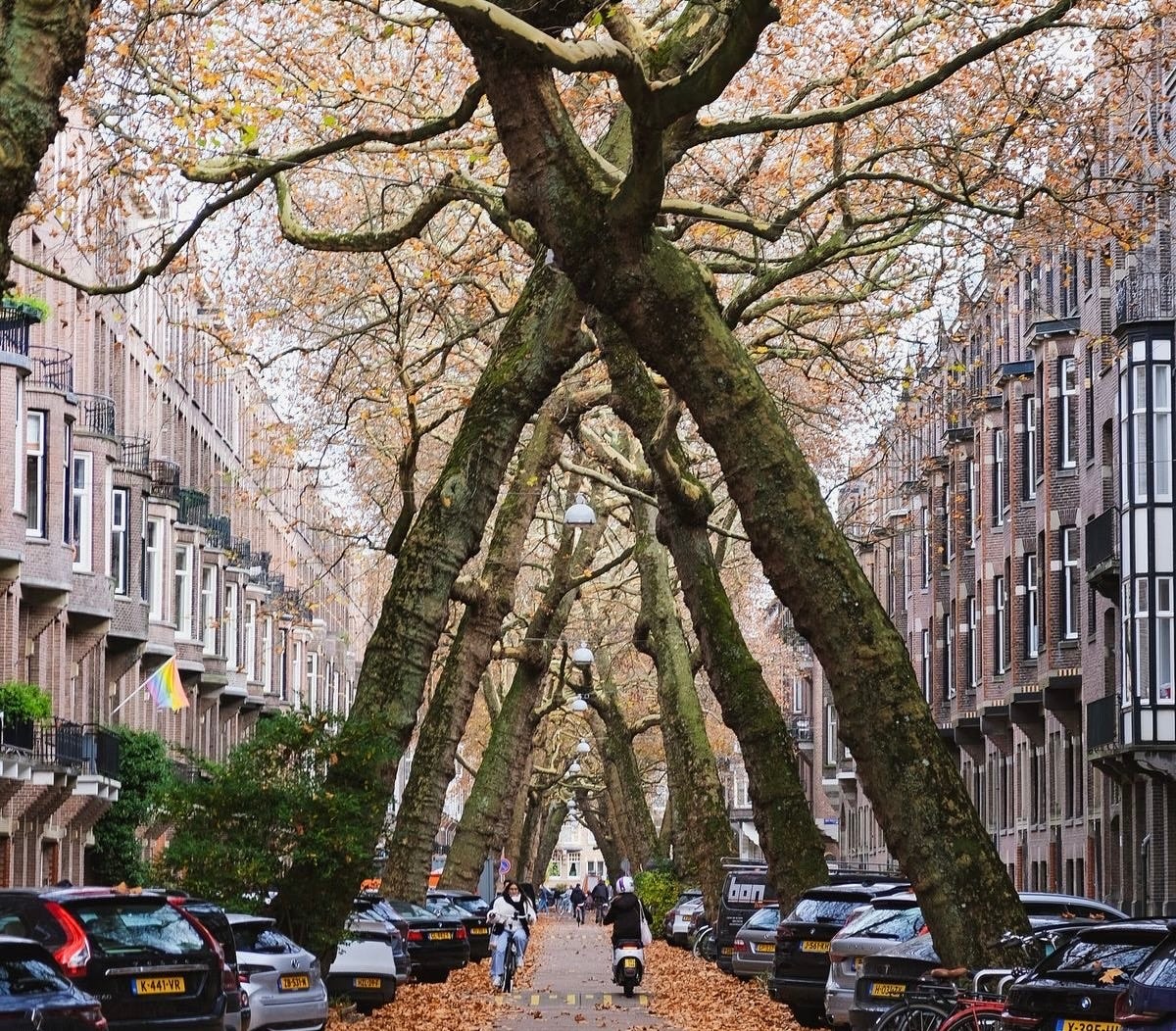
The narrow canal houses of Amsterdam, the limestone terraces of Bath, the painted facades of Bavarian towns, and the Renaissance palazzi of Florence are all products of distinct cultural and geographical circumstances.
Their differences are not arbitrary decorations. They reflect local materials, climates, construction methods, social customs, and centuries of artistic development.
Traditional architecture gives physical expression to the identity of a place.
Yet much contemporary development follows an increasingly international visual language. Glass curtain walls, flat roofs, repetitive facades, and standardised construction systems appear across cities with profoundly different histories.
This does not mean contemporary architecture is incapable of responding to local context. Many architects work thoughtfully with regional materials and traditions. Nevertheless, the economic pressures of global construction and the influence of internationally fashionable styles can encourage a troubling uniformity.
A new residential building in Munich should not necessarily look like one in Rotterdam. A development in Prague should not have to abandon the architectural character that makes Prague distinctive.
Preserving European architectural identity does not require freezing cities in time. It requires allowing their traditions to continue evolving.
A living tradition produces new buildings. A dead tradition survives only in museums.
Adolf Loos, despite his famous attack on ornament, still insisted on this disciplined continuity:
“Changes in the traditional way of building are only permitted if they are an improvement. Otherwise stay with what is traditional, for truth, even if it be hundreds of years old has a stronger inner bond with us than the lie that walks by our side.”
If these essays have changed the way you see the world around you, the paid tier goes further.
You get longer, more researched pieces on the places that shaped Western civilization and the stories behind them. Deep dives into tradition, craftsmanship, and what the built world reveals about culture. Travel guides that teach you to actually read the places you visit.
This project is kept alive by people who care about old-world traditions. For a few dollars a month, you can be one of them.
The Sustainability of Building for Centuries
The case for traditional architecture is not exclusively aesthetic. It also raises important questions about sustainability.
Continue reading below.