

When people think of great architects, they imagine someone who spent his youth sketching buildings, studying cathedrals, and dreaming about monuments.
Christopher Wren was not that person.
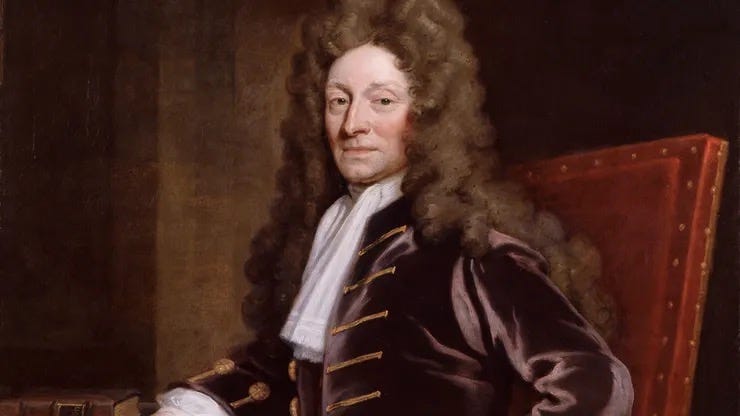
In fact, if you had met him as a young man in the middle of the seventeenth century, architecture would have been one of the last professions you would have associated with him. He was a scientist, mathematician, astronomer, inventor, professor, and one of the brightest minds in England. He designed telescopes. He conducted experiments. He corresponded with some of the greatest intellectuals in Europe. He helped found the Royal Society alongside many of the men who launched the Scientific Revolution.
Architecture appeared by accident.
Yet by the end of his life, Wren would leave behind a greater mark on London’s skyline than perhaps any man who ever lived, and his story would become inseparable from one of the greatest disasters in English history.
The Great Fire of London.
To understand Wren, however, you have to begin long before the flames.
He was born in 1632 into a country already moving toward turmoil. England would soon experience civil war, the execution of a king, religious conflict, political revolution, and dramatic social change. Most people living through those decades were simply trying to survive them. Wren seemed fascinated by everything.
Friends recalled a man whose curiosity never appeared to switch off. He studied anatomy. He studied mathematics. He studied astronomy. He studied mechanics. Problems attracted him the way magnets attract iron.
If these essays have changed the way you see the world around you, the paid tier goes further.
You get longer, more researched pieces on the places that shaped western civilization and the stories behind them. Deep dives into tradition, craftsmanship, and what the built world reveals about culture. Travel guides that teach you to actually read the places you visit.
This project is kept alive by people who care about old world traditions. For a few dollars a month, you can be one of them.
One contemporary remarked that Wren possessed an almost limitless appetite for knowledge, and stories from his youth suggest that the description was not exaggerated. As a boy he built mechanical devices for amusement. As a young scholar he developed scientific instruments sophisticated enough to impress senior academics. By his twenties he had already earned a reputation as one of England’s rising intellectual stars.
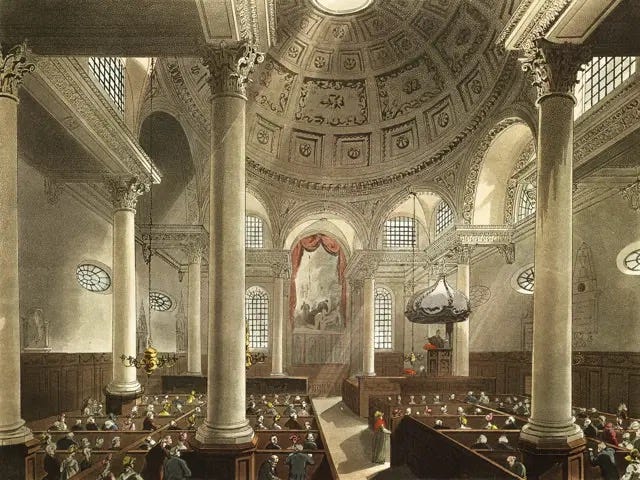
What makes his story so unusual is that architecture entered his life through science.
Many seventeenth-century buildings required people who understood geometry, engineering, mathematics, and structural problems. Wren happened to excel at all of those things. When opportunities emerged, he accepted them
The greatest puzzle of all arrived in September 1666.
The fire began in a bakery on Pudding Lane.
At first it seemed manageable.
Then the wind picked up.
London at the time was a city built largely of timber. Streets were narrow. Buildings stood close together. Fire spread from roof to roof with terrifying speed. Within hours entire districts were burning. Within days much of the city lay in ruins.
Thousands of houses disappeared.
Churches vanished.
Businesses collapsed.
Entire neighborhoods became ash.
One eyewitness described the city as looking like a furnace, while another wrote that the sky glowed red for miles around. Samuel Pepys, whose diary remains one of the great firsthand accounts of the disaster, watched London burn and struggled to comprehend the scale of destruction unfolding before him.
By the time the flames died, roughly four-fifths of the old city had been destroyed.
It was one of the greatest urban catastrophes in European history.
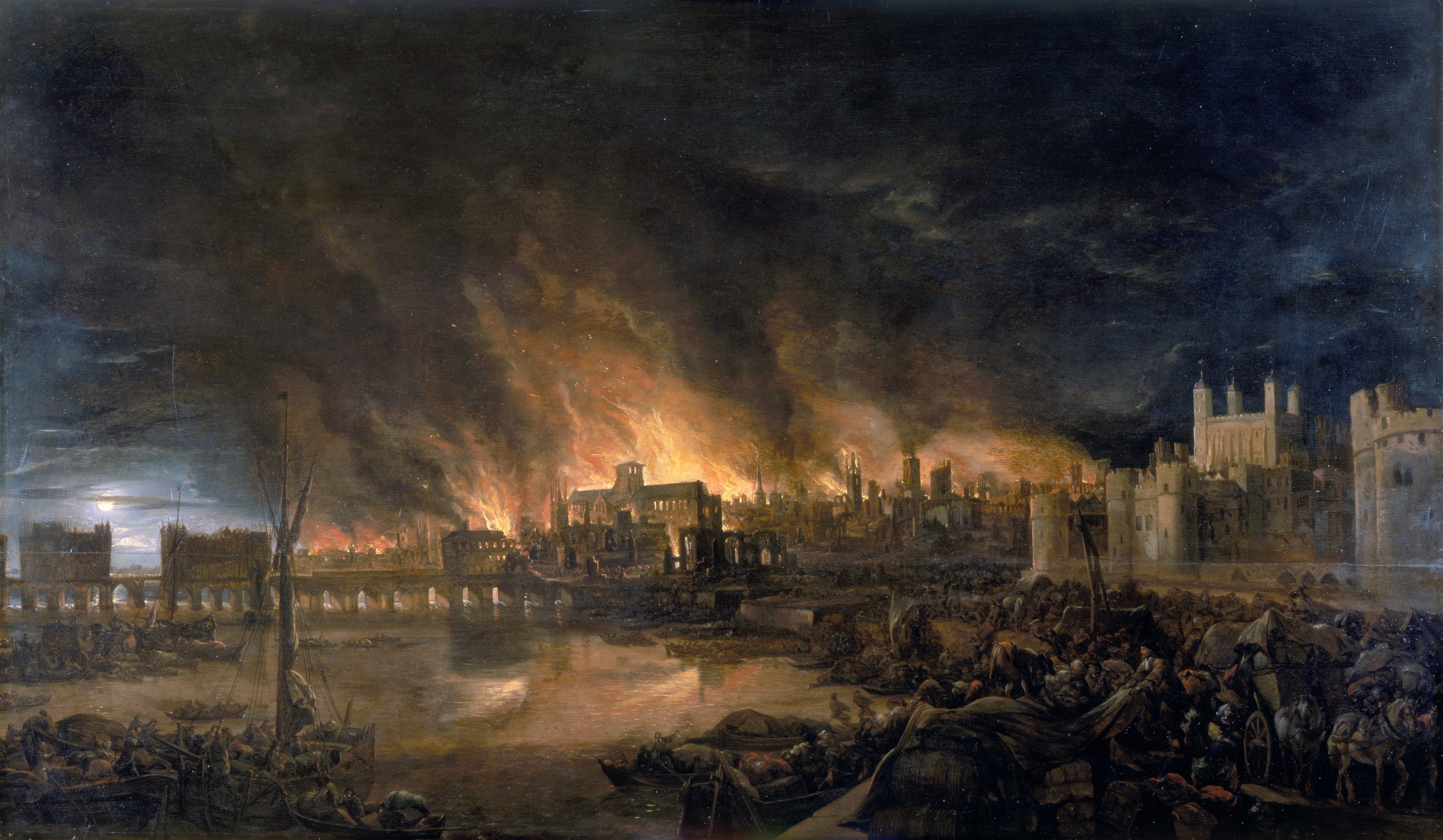
For Christopher Wren, it was also the opportunity that would define his life.
Most people looked at the ruins and saw devastation.
Wren looked at them and saw possibility.
Within days of the fire he was already producing plans for rebuilding London. His proposals were astonishingly ambitious. Wide boulevards would replace cramped medieval streets. Public squares would create open space. Traffic would flow more efficiently. The rebuilt city would be grander, healthier, and more beautiful than the one that had burned.
In many ways Wren was proposing something centuries ahead of its time.
The problem was reality.
Property ownership in London was complicated. Thousands of citizens wanted their land back. Merchants wanted to resume business. Families wanted homes. Lawyers became involved. Endless disputes emerged.
The grand redesign never happened.
One historian later remarked that London missed its chance to become another Paris.
Yet even though Wren’s master plan failed, he still found himself responsible for an enormous portion of the reconstruction effort.
More than fifty churches.
Public buildings.
Monuments.
And eventually the most famous church in England.
St Paul’s Cathedral
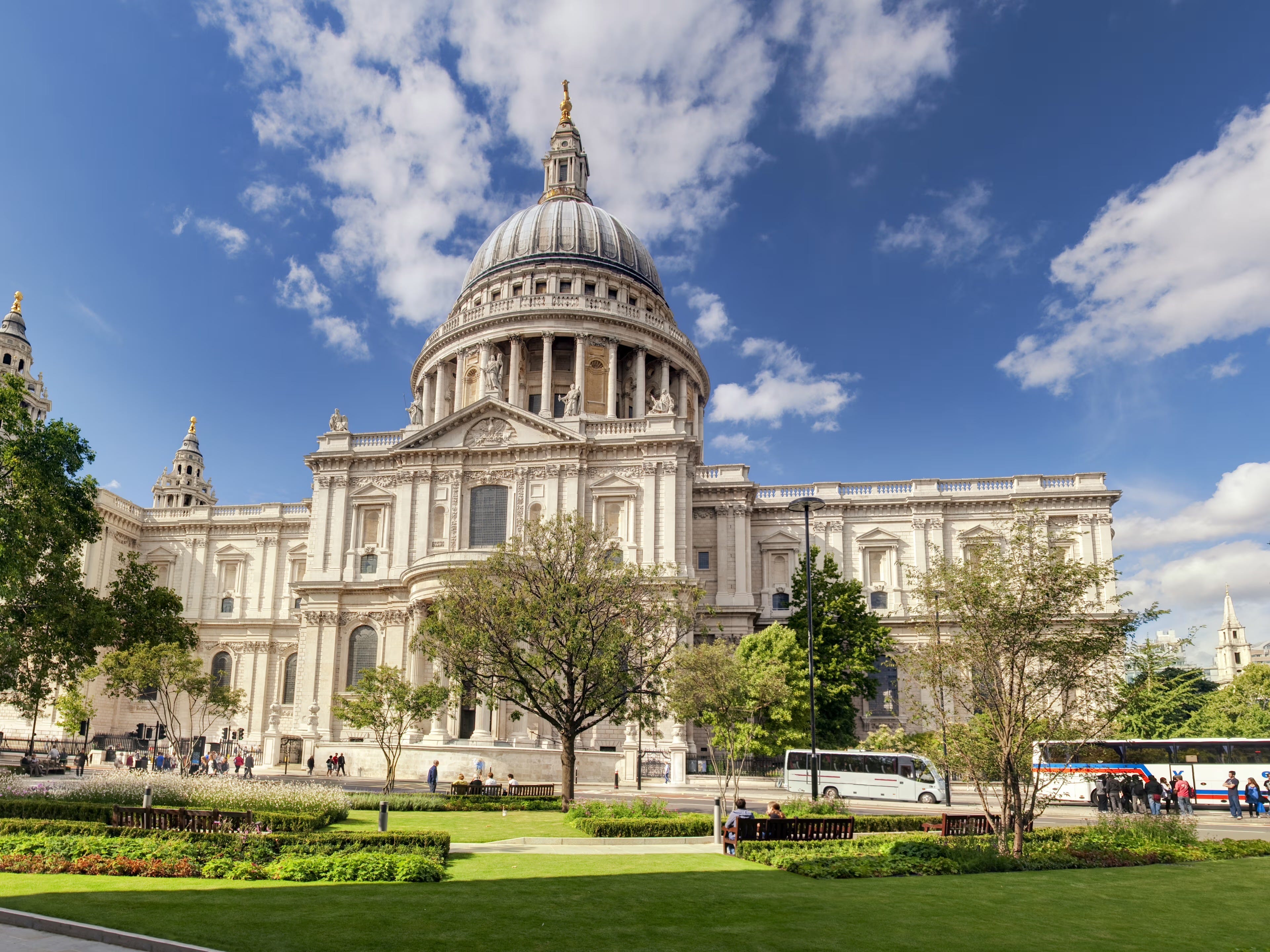
The story of St Paul’s deserves its own book because almost everything that could go wrong did go wrong. Plans changed repeatedly. Church officials argued. Political leaders interfered. Budgets became contentious. Designs evolved.
At one point the king approved a plan.
Then Wren changed it.
At another point clergy objected to features they considered too unconventional.
Then Wren revised them.
The project stretched across decades.
What fascinates me most is how stubborn he became.
Many architects would have compromised.
Many would have abandoned their vision.
Wren simply kept working.
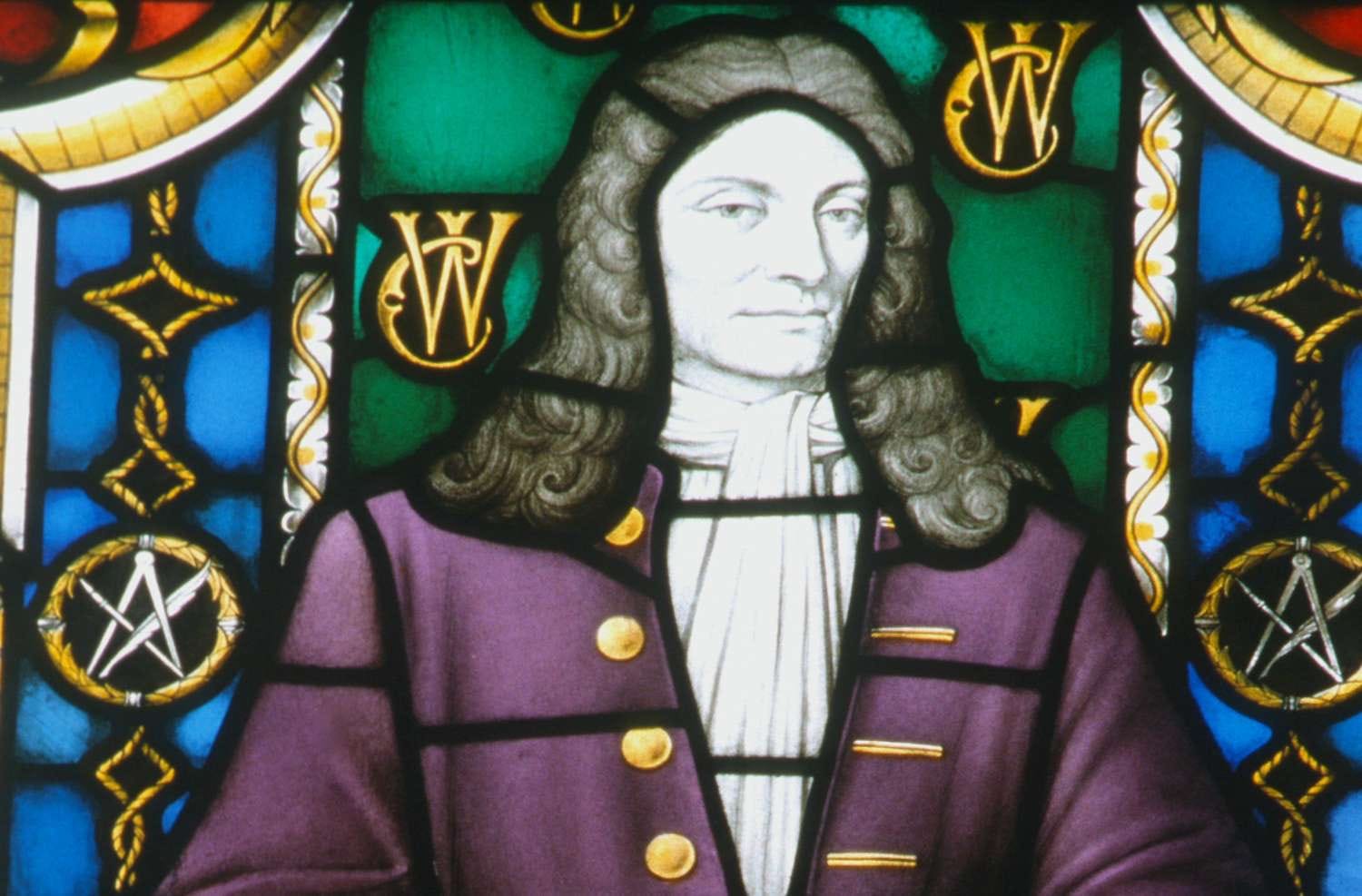
One famous story captures his personality perfectly. During construction, a visitor supposedly asked one of the laborers what he was doing. The man replied that he was laying bricks. Another worker said he was earning a living. A third answered differently.
“I am helping Sir Christopher Wren build St Paul’s Cathedral.”
People preserved the story because it reflected something real about the project. St Paul’s was not merely another building. It became a symbol of national recovery.
England had experienced civil war.
Political upheaval.
Religious conflict.
The destruction of its capital.
Yet now a new cathedral rose above the city.
Wren himself seemed aware of the symbolism.
One of his most famous observations reveals how he thought about architecture:
“Architecture aims at eternity.”
The quote appears simple, yet it explains everything about his work.
Wren was not interested in temporary solutions.
He wanted buildings that would outlive him.
Buildings that future generations would inherit.
Buildings capable of expressing permanence in a world filled with instability.
When St Paul’s finally approached completion, visitors immediately recognized that something extraordinary had happened. The great dome dominated London’s skyline. Travelers described it with admiration. Foreign visitors compared it to the greatest churches of Europe. For centuries afterward the silhouette of St Paul’s would become one of the defining images of England itself.
Yet Wren’s influence extended far beyond a single cathedral.
After the Great Fire, he helped rebuild more than fifty churches throughout London. Walk through the city today and his presence remains almost impossible to escape. Tower after tower rises above the streets, each one reflecting his ability to combine elegance, practicality, and engineering skill.
One of the most remarkable aspects of the story is that Wren never stopped being a scientist.
Even while supervising construction projects, he continued participating in intellectual life. He remained involved with the Royal Society. He maintained friendships with leading thinkers. He moved comfortably between architecture and science because, in his mind, the two disciplines were never entirely separate.
Both involved discovering order.
Both involved solving problems.
Both involved understanding how things fit together.
By the time he died in 1723, Christopher Wren had lived for more than ninety years, an extraordinary lifespan for the period. He had witnessed civil war, plague, fire, restoration, and the transformation of England into one of Europe’s rising powers.
Most importantly, he had rebuilt the heart of its capital.
Visitors to St Paul’s Cathedral still encounter a Latin inscription near his tomb.
It reads:
“If you seek his monument, look around you.”
Few epitaphs have ever been more fitting.
Most people leave behind books, letters, memories, or descendants.
Christopher Wren left behind a skyline.
Generations of Londoners have lived beneath towers he designed. Millions of visitors have stood beneath the dome of St Paul’s. Entire sections of the city still bear the mark of his imagination.
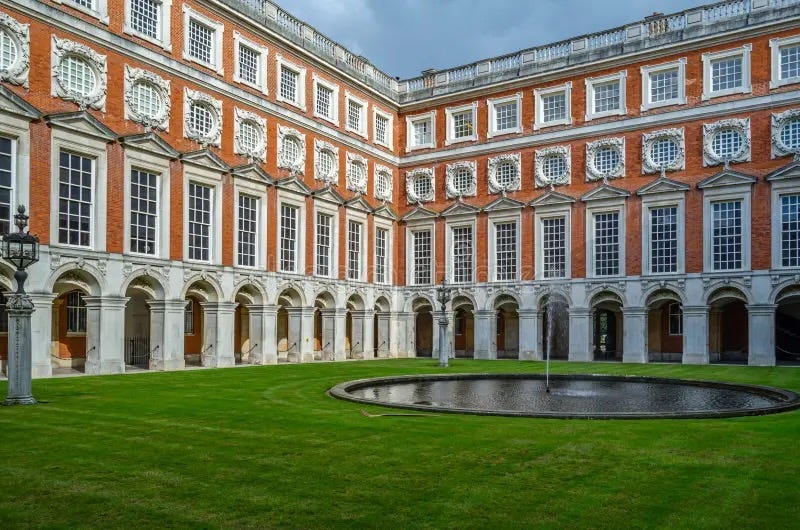
The young scientist who never intended to become an architect ended up accomplishing something far greater than he could have imagined. He arrived at one of the darkest moments in London’s history and spent the next half century helping transform ruin into one of the great cities of the world.
Three centuries later, his buildings continue telling the same story every time someone looks up and sees the dome of St Paul’s rising above the city, a reminder that even after disaster, great civilizations can rebuild.
Fascinating article
London's parish churches are so underrated! Central London has some great medieval survivors (St Barts the Great) and revivals (St James the Less), but there's dozens at the City End that were designed by Wren and his disciples after the Great Fire. My favourite is St Brides, whose steeple is thought to have inspired the wedding cake. St Paul's Cathedral is best appreciated as the supreme achievement of that era of church building.
Interesting how Classical architects approached architecture as a science. Newtonian physics was only just being developed, so they couldn't calculate the load on each pillar and arch. So they relied on a living tradition that had long produced buildings with pleasing proportions and the useful ability to stay up.