

European governments regulate almost everything about the buildings we construct, from fire safety and energy efficiency to parking spaces and roof heights. Yet in many cities, a developer can still erect an ugly glass box in the middle of a beautiful historic street. If architecture shapes the public environment for generations, why shouldn’t beauty be protected by law?
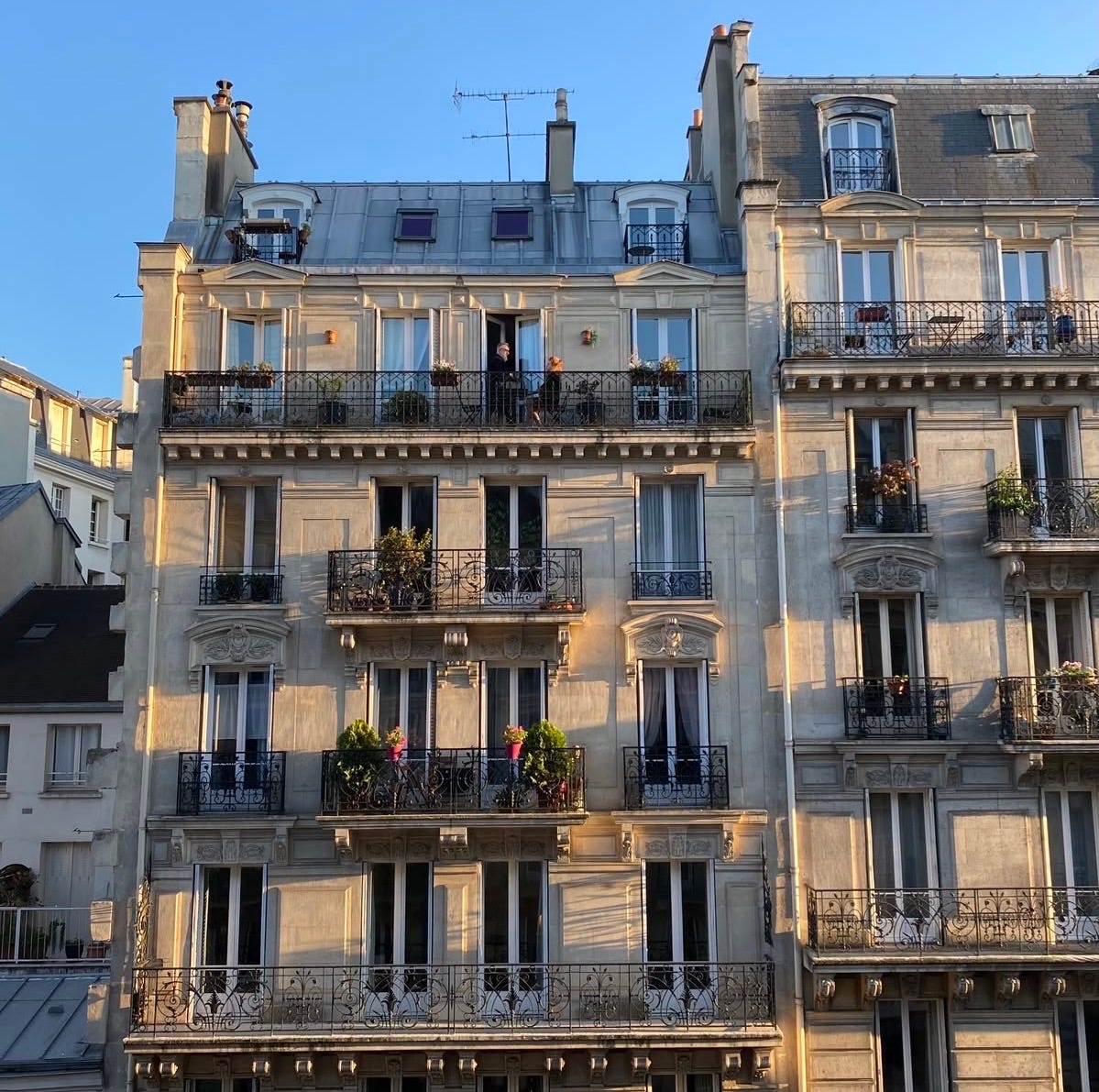
Imagine owning a beautiful nineteenth-century apartment in Paris. Your building has tall windows and a limestone façade, with carefully proportioned balconies and decorative stonework that gives the street its distinctive character. The neighboring buildings follow a similar architectural language, creating the kind of harmonious streetscape that attracts millions of visitors to the French capital every year.
Then one day, the building across the street is demolished.
A developer acquires the site and proposes a contemporary apartment block with irregular windows and a façade of exposed concrete. Its architect describes the design as an exciting contrast to the surrounding historic architecture, while the developer promises that the project will contribute to the city’s architectural diversity.
The building satisfies the applicable technical requirements and receives planning permission.
Twenty years later, the architect has moved on to other projects and the developer has sold the property. But the residents of the neighborhood must continue looking at the building every day, potentially for the next century.
Why should they have so little control over something that permanently changes their surroundings?
We have become accustomed to the idea that architecture is primarily a matter of personal taste. Architects should enjoy creative freedom, developers should be allowed to express themselves through their investments, and cities should supposedly welcome whatever architectural styles happen to be fashionable.
Yet this understanding of architecture ignores one important fact.
A building belongs to its owner, but its appearance becomes part of everybody else’s city.
You can choose the furniture inside your home and decorate your rooms however you wish. Those decisions primarily affect you and the people you invite inside.
The exterior of a building is different.
It forms part of a street shared by thousands of people who never consented to its design. It changes the experience of walking through a neighborhood and can influence the attractiveness of surrounding properties. In some cases, it permanently alters the character of an entire district.
European governments already recognize that buildings have consequences beyond their property boundaries. That is why they regulate their height and placement, along with numerous other aspects of construction.
So why should beauty be treated differently?
Perhaps the time has come to consider something that many contemporary architects would find deeply uncomfortable: making beautiful architecture a legal requirement.
1. We Already Regulate Almost Everything About Buildings Except Their Beauty
Anyone who has attempted to build a house in Europe knows that architectural freedom is far more limited than it initially appears.
In Germany, a property owner cannot simply purchase a plot and construct whatever building he desires. Development is governed by a combination of federal planning law and state building regulations, while municipalities can establish detailed requirements through local development plans.
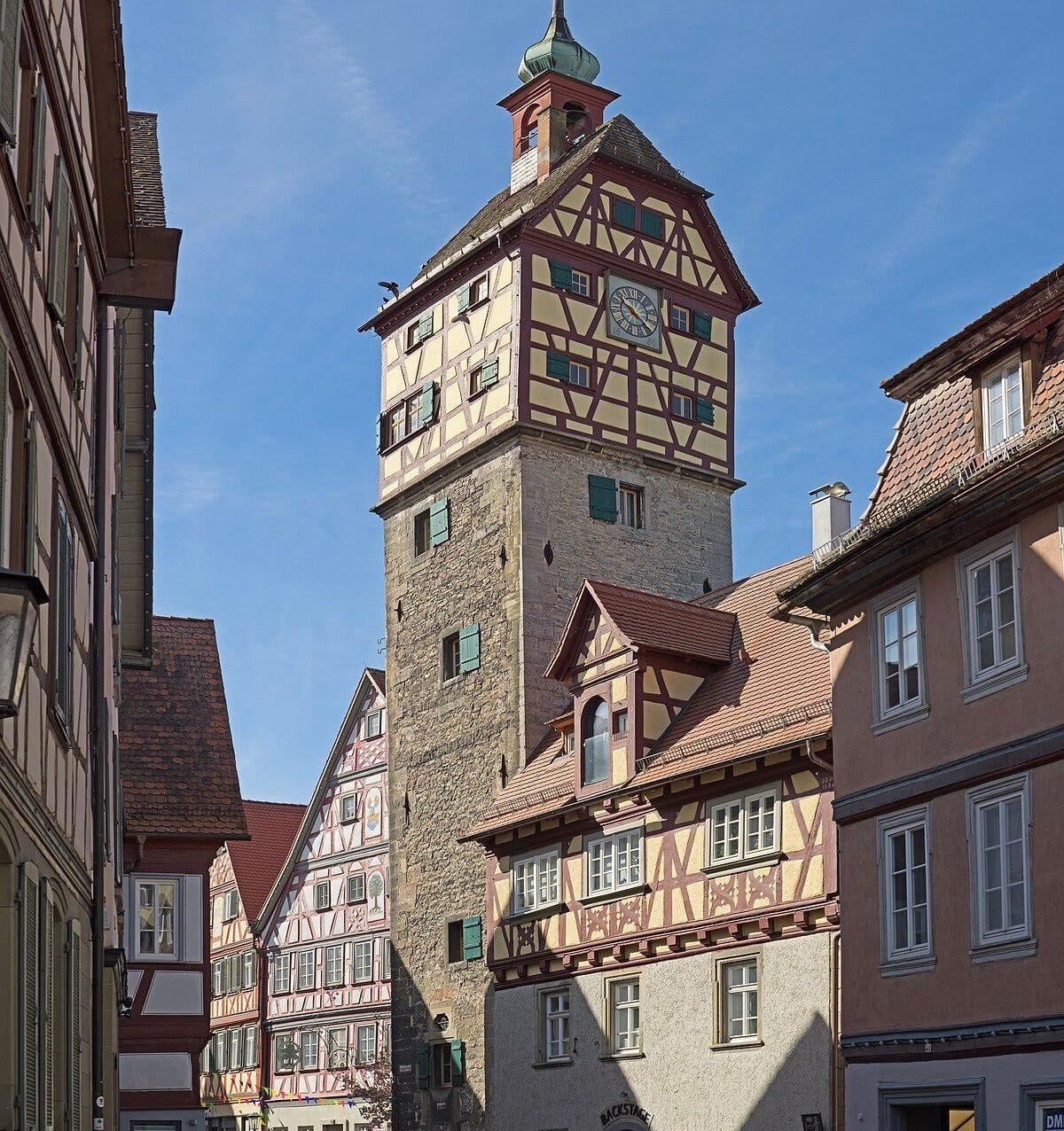
A German Bebauungsplan may determine the permissible use of a property and the amount of development allowed. It can also regulate building heights and the position of structures on a plot.
State building codes establish technical requirements covering matters such as structural safety and fire protection.
Depending on the location, additional rules may apply to parking and environmental performance.
In other words, the state already exercises considerable authority over what private individuals are permitted to build.
Yet the aesthetic requirements are frequently less precise than the technical ones.
This does not mean Germany has no architectural design regulations. German state building codes generally contain provisions concerning the appearance of buildings, and municipalities may adopt local design statutes known as Gestaltungssatzungen.
These can regulate visible features such as roof forms and façade materials, particularly in historic districts.
But outside areas with strong local design controls, developers may enjoy considerable freedom to introduce architectural forms that differ dramatically from their surroundings.
The result is a peculiar situation.
A municipality can spend years debating the number of parking spaces required for a residential development while giving far less attention to whether the building will make its street more attractive.
The same contradiction appears elsewhere in Europe.
In England, planning authorities can consider design quality and the relationship between new buildings and their surroundings. The National Planning Policy Framework supports beautiful and well-designed places, while local authorities may use design codes and conservation policies.
Nevertheless the application of these principles varies considerably.
Some communities establish clear expectations for new developments while others rely on broad planning judgments and architectural assessments.
The question is whether this approach goes far enough.
Consider a hypothetical apartment development in a historic German town.
A developer proposes a five-storey building with a flat roof and an irregular arrangement of windows. Its façade uses large composite panels that contrast sharply with the neighboring buildings.
The project meets the relevant height restrictions and provides the required residential accommodation.
A different architect proposes a building of identical dimensions but with a traditional rendered façade and vertically proportioned windows. It follows the established roofline of the street and incorporates architectural detailing inspired by local building traditions.
Both buildings provide the same number of apartments.
Both can meet the same structural and energy requirements.
Yet their effects on the street could be dramatically different.
Why should the local community be unable to insist that the new building respect the architectural character of its surroundings?
The usual objection is that beauty is subjective.
And of course architectural preferences differ.
Some people admire the simplicity of modernist design while others prefer the ornament and proportions of traditional European architecture.
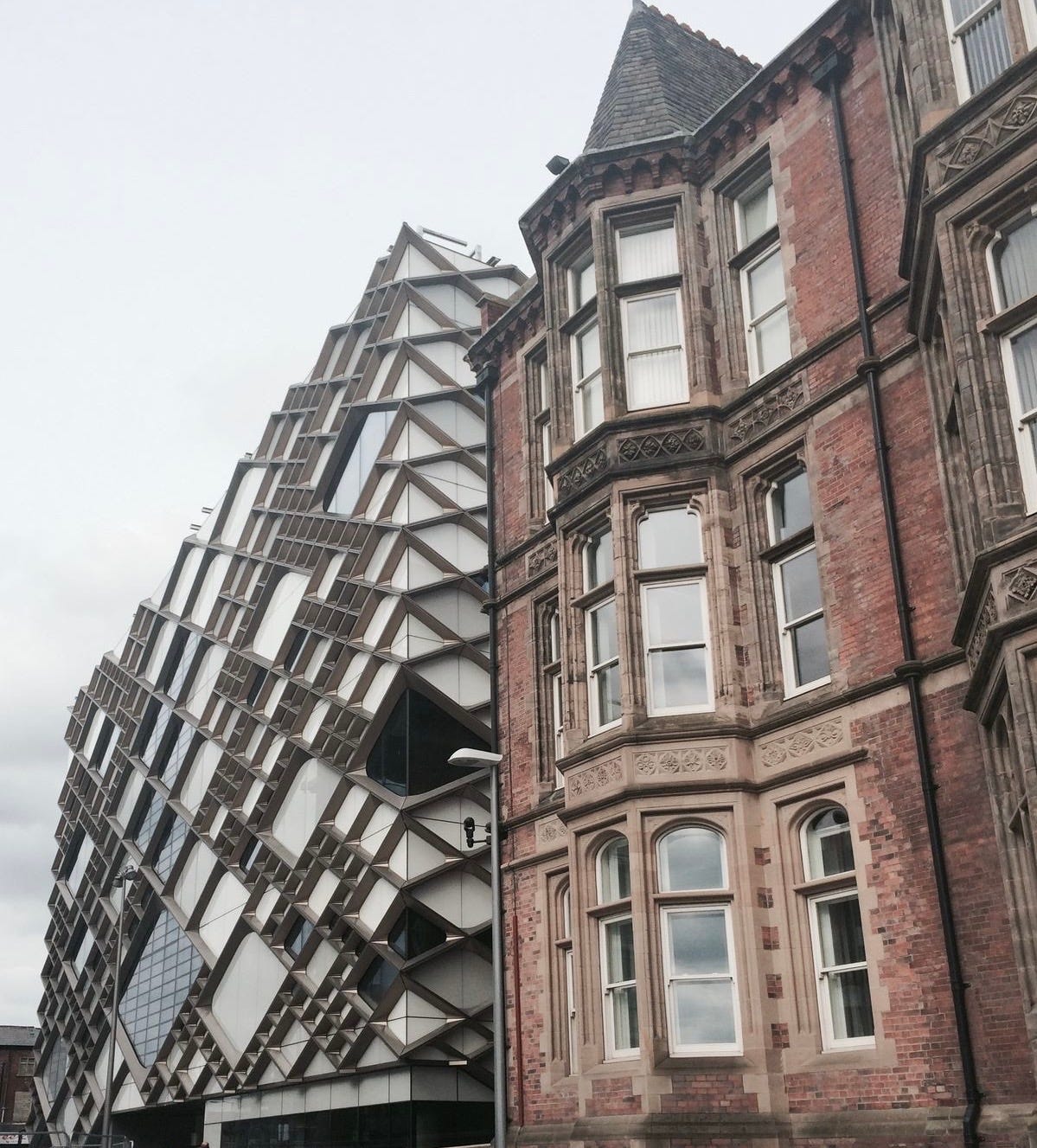
But disagreement does not make architectural judgment impossible.
Cities already make aesthetic decisions when protecting historic monuments and regulating advertisements. They also establish expectations for the appearance of public spaces.
The relevant question is whether these judgments can be translated into clear and predictable rules.
Vitruvius long ago treated beauty as a measurable matter of order and proportion rather than pure opinion:
Architecture depends on Order (in Greek τάξις), Arrangement (in Greek διάθεσις), Eurythmy, Symmetry, Propriety, and Economy (in Greek οἰκονομία). Order gives due measure to the members of a work considered separately, and symmetrical agreement to the proportions of the whole. It is an adjustment according to quantity… Arrangement includes the putting of things in their proper places and the elegance of effect which is due to adjustments appropriate to the character of the work… Eurythmy is beauty and fitness in the adjustments of the members. This is found when the members of a work are of a height suited to their breadth, of a breadth suited to their length, and, in a word, when they all correspond symmetrically. Symmetry is a proper agreement between the members of the work itself, and relation between the different parts and the whole general scheme, in accordance with a certain part selected as standard. Thus in the human body there is a kind of symmetrical harmony between forearm, foot, palm, finger, and other small parts; and so it is with perfect buildings.
If governments can legally require buildings to respect a maximum height, they can also require them to respect the character of the street.
If these essays have changed the way you see the world around you, the paid tier goes further.
You get longer, more researched pieces on the places that shaped Western civilization and the stories behind them. Deep dives into tradition, craftsmanship, and what the built world reveals about culture. Travel guides that teach you to actually read the places you visit.
This project is kept alive by people who care about old-world traditions. For a few dollars a month, you can be one of them.
2. Paris and Europe’s Historic Cities Prove That Architectural Rules Can Create Beauty
Some of Europe’s most admired streets did not emerge from a system in which every architect enjoyed unlimited freedom to express himself.
They developed within architectural traditions shaped by building customs and political decisions, alongside rules governing the relationship between private buildings and public streets.
Paris provides one of the clearest examples.
Continue reading below.