

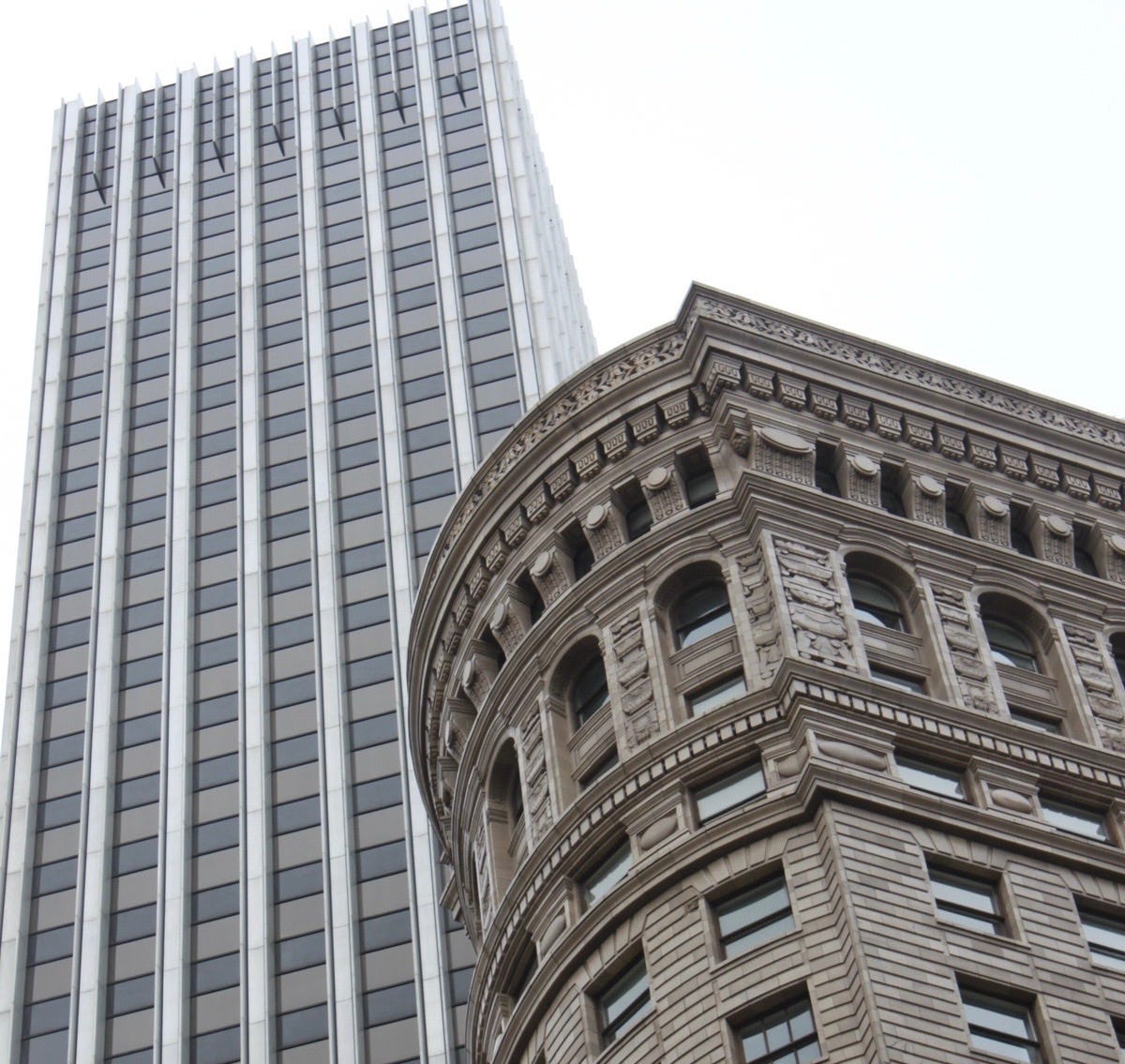
There is a strange thing about modern architecture that becomes obvious the moment you ask ordinary people what they actually like.
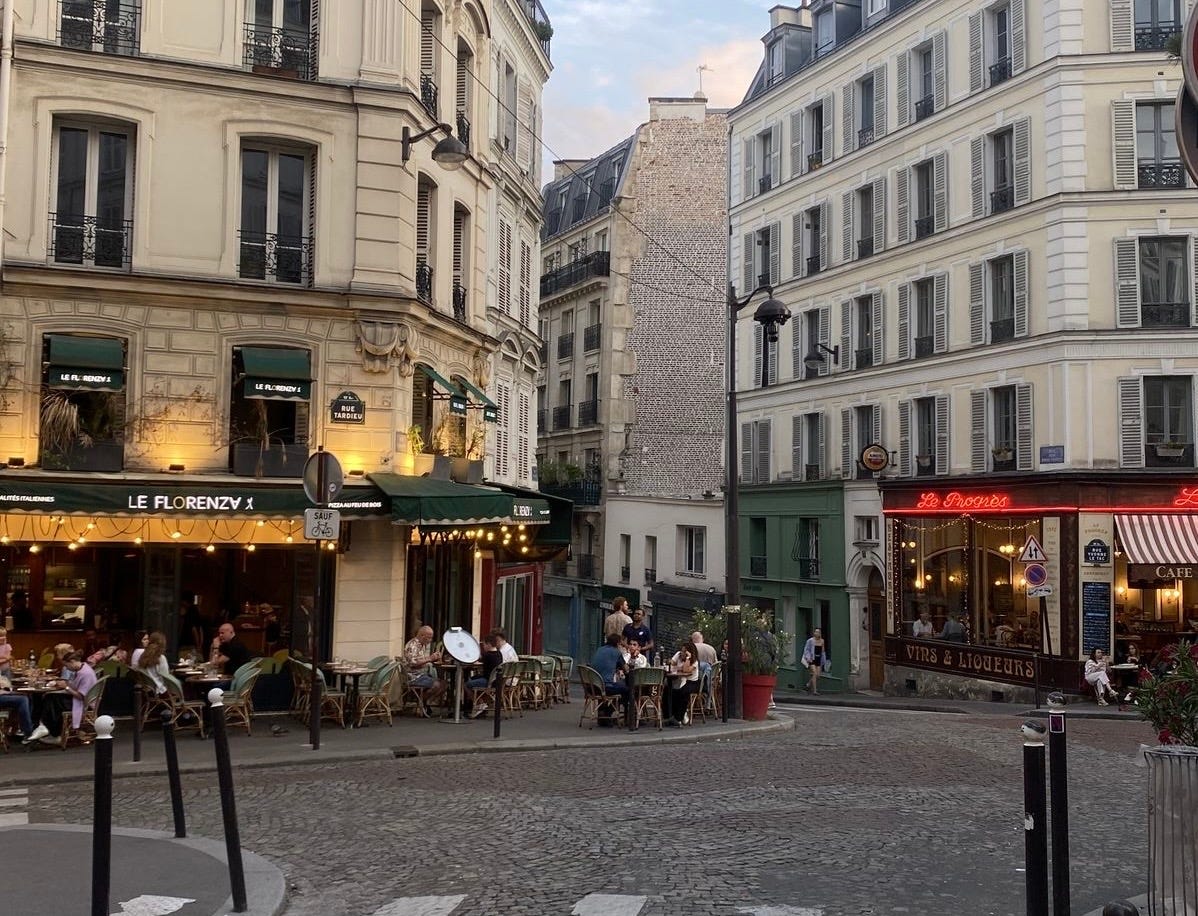
Show people an old street in Paris beside a new development and many will choose the old one. Ask tourists where they want to spend an afternoon and they crowd into the historic centers of Rome or Prague; meanwhile some of the buildings celebrated most enthusiastically by architects struggle to inspire anything like the same affection.
You can dismiss this as nostalgia.
The problem is that researchers have actually tested it.
A 2026 study involving almost 3,000 people in Norway and Greece showed participants pairs of traditional and contemporary buildings. Traditional buildings were preferred across every comparison and the result was statistically significant in seven of the eight national tests; even contemporary buildings that won or received nominations for architectural awards lost to their traditional counterparts.
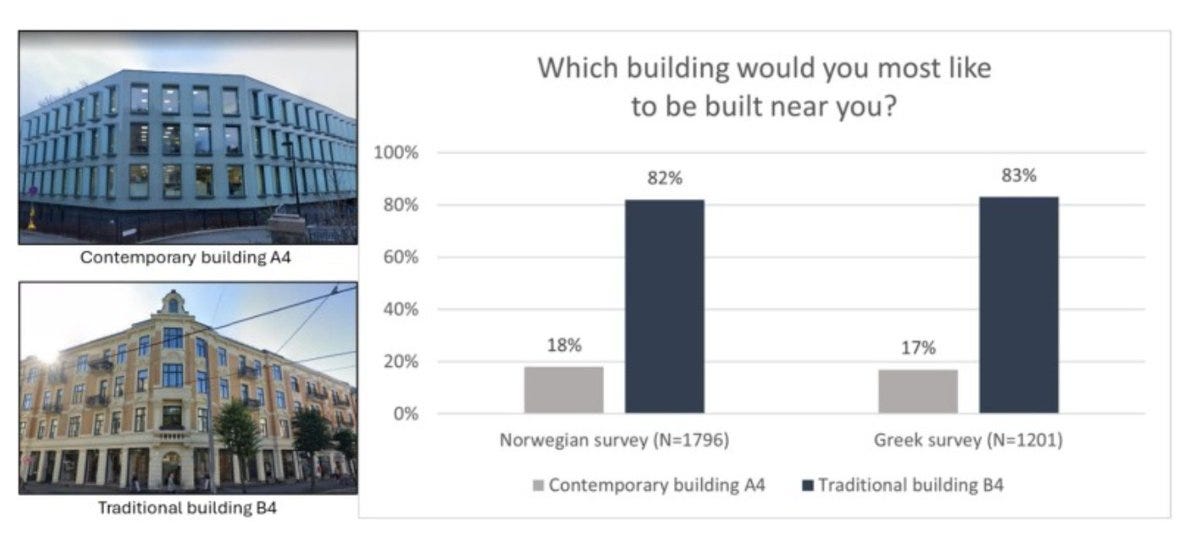
Which raises a rather uncomfortable question.
If so many people prefer traditional architecture then why do we build so little of it?
People Really Do Prefer Traditional Buildings
Architecture is subjective and there will never be one building everybody likes.
Still patterns can exist inside subjective preferences.
A 2020 experiment placed participants inside 360-degree virtual environments so they could experience traditional and contemporary urban spaces rather than simply looking at photographs. The traditional environments received significantly higher ratings for visual appearance; participants also reported more positive emotional responses to them.
British evidence points in a similar direction.
A YouGov survey of 1,713 UK adults found that 68 percent thought historic buildings were generally built to a high standard. Only 26 percent said the same about new buildings.
Then there is a recent Dutch experiment.
In 2025 Ipsos I&O showed 770 people eight pairs of buildings with a contemporary version beside a traditional or classical alternative. The traditional design won every comparison with support ranging from 67 to 92 percent. The research was commissioned by The Aesthetic City which advocates traditional urbanism so that context is worth knowing; the polling itself was conducted by Ipsos I&O.
Something is clearly happening here.
Leon Battista Alberti, writing in the fifteenth century, tried to name what people keep recognizing even when they lack the vocabulary of a critic:
Beauty is that reasoned harmony of all the parts within a body, so that nothing may be added, taken away, or altered, but for the worse. It is a great and holy matter. All which we desire to add unto any thing, to make it more beautiful, is called ornament. Beauty is some inherent property, to be suffused all through the body of that which may be called beautiful; whereas ornament, rather than being inherent, has the character of something attached or additional.
That is not a demand for palaces. It is a demand for wholeness. People walking a street are often judging whether a building feels complete, not whether it is historically “correct.”
Architects Do Not Always See Buildings Like Everyone Else
This disagreement is older than our current architecture wars.
Researchers in 1989 compared the reactions of architects and non-architects to residential architecture. The two groups responded differently to architectural styles while the study also found differences between the physical characteristics associated with professional “high” architecture and more popular residential design.
That makes intuitive sense.
Spend years studying architecture and you learn to look for things most people never think about. An architect may become interested in novelty or construction while somebody walking past the building might simply ask whether it looks beautiful.
Neither person is pretending.
They have learned to see different things.
The problem begins when one of those groups gets much more influence over what everybody else has to look at.
Adolf Loos himself, the great enemy of decoration, understood that a house is not a private artwork:
The house has to please everyone, contrary to the work of art which does not. The work of art is a private matter for the artist. The house is not. The work of art is brought into the world without there being a need for it. The house satisfies a requirement. The work of art is responsible to none; the house is responsible to everyone. The work of art wants to draw people out of their state of comfort. The house has to serve comfort. The work of art is revolutionary; the house is conservative. The work of art shows mankind new paths and thinks of the future. The house thinks of the present.
If that distinction is taken seriously, public preference is not an embarrassment. It is part of the job.
Architecture Became Suspicious of the Past
For most of architectural history there was nothing unusual about learning from older buildings.
Styles changed and technology moved forward while architects continued borrowing forms that people already understood. A nineteenth-century architect could design a railway station using an architectural language with roots centuries earlier; the arrival of the train did not require him to pretend the column suddenly became useless.
Modernism challenged that relationship.
During the early twentieth century architects increasingly argued that new technology deserved a new architectural language. Historical imitation became associated with an age that modern society was supposed to leave behind; ornament also came under sustained attack.
There were understandable reasons for this.
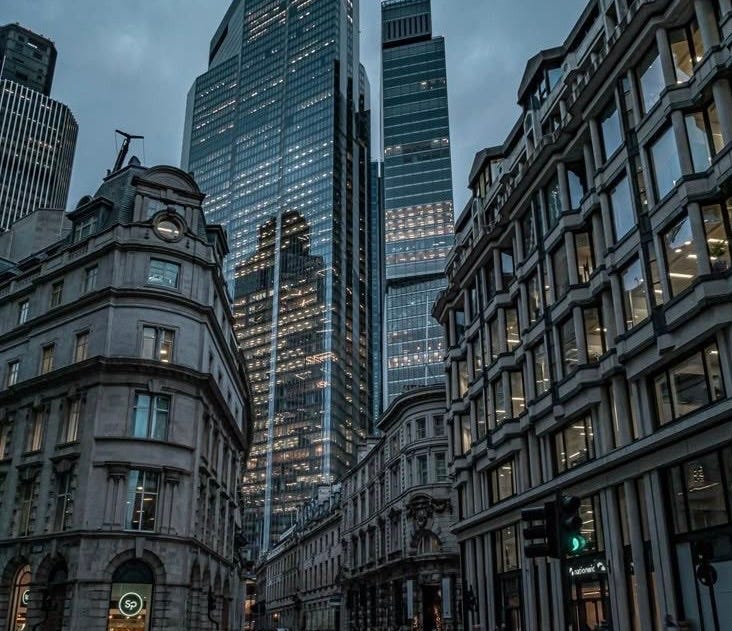
Industrial materials made different kinds of buildings possible while rapidly growing cities needed enormous amounts of housing. Architects wanted to experiment with what concrete and steel could do; copying the nineteenth century forever was hardly an inspiring answer.
Yet something else happened alongside that experimentation.
Building traditionally increasingly became associated with looking backward.
And that assumption still shapes the argument today.
If these essays have changed the way you see the world around you, the paid tier goes further.
You get longer, more researched pieces on the places that shaped Western civilization and the stories behind them. Deep dives into tradition, craftsmanship, and what the built world reveals about culture. Travel guides that teach you to actually read the places you visit.
This project is kept alive by people who care about old-world traditions. For a few dollars a month, you can be one of them.
Adolf Loos Declared War on Ornament
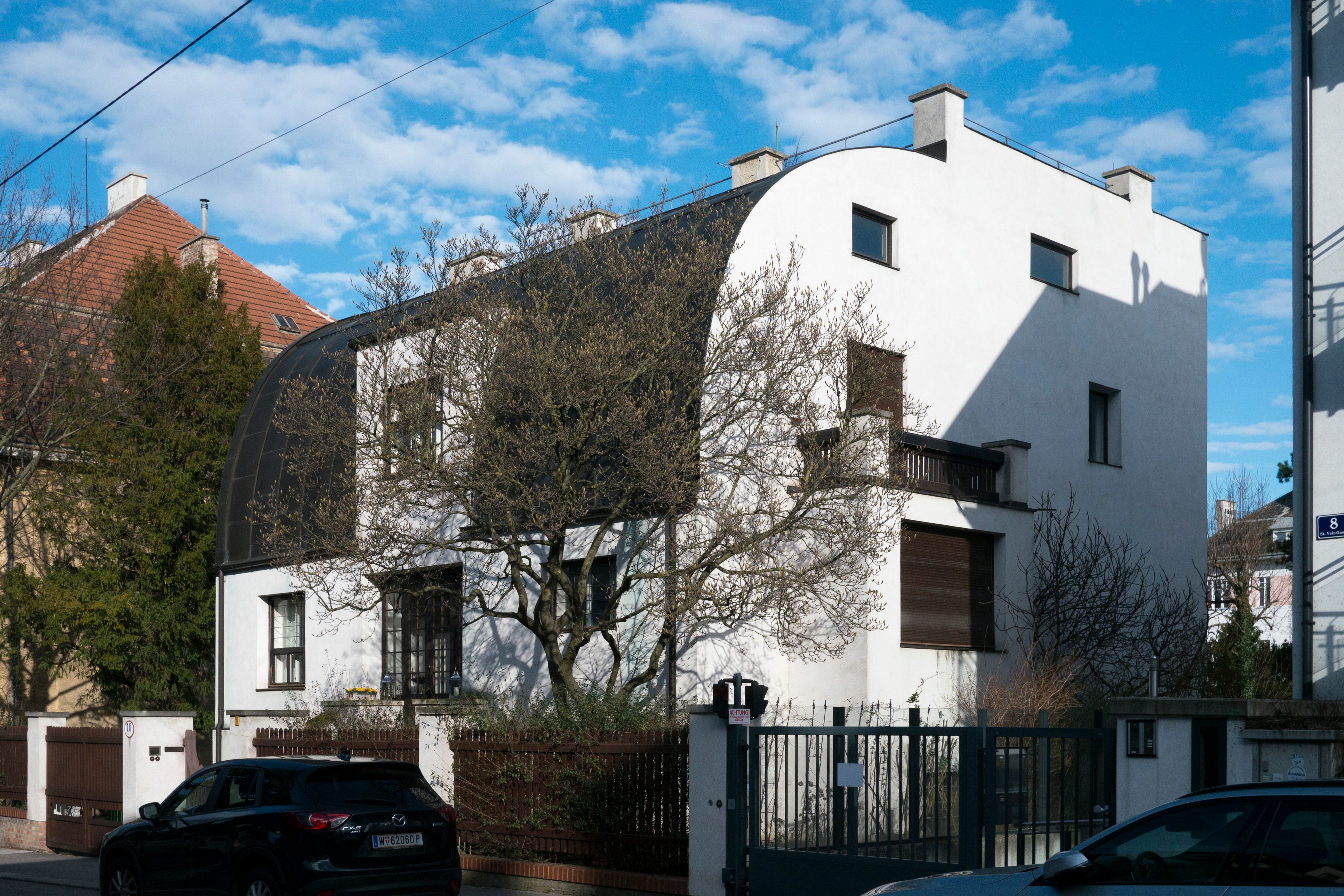
Few people expressed the new attitude more memorably than the Viennese architect Adolf Loos…