

Roger Scruton did not begin his life as a defender of medieval architecture.
In fact, if you had met him as a young man in the 1960s, you probably would not have predicted that he would spend decades writing books about beauty, old buildings, churches, cities, and the importance of preserving architectural traditions. He studied philosophy at Cambridge, came of age during a period when modernism seemed unstoppable, and entered an intellectual world that generally viewed the past as something to move beyond rather than something to learn from.
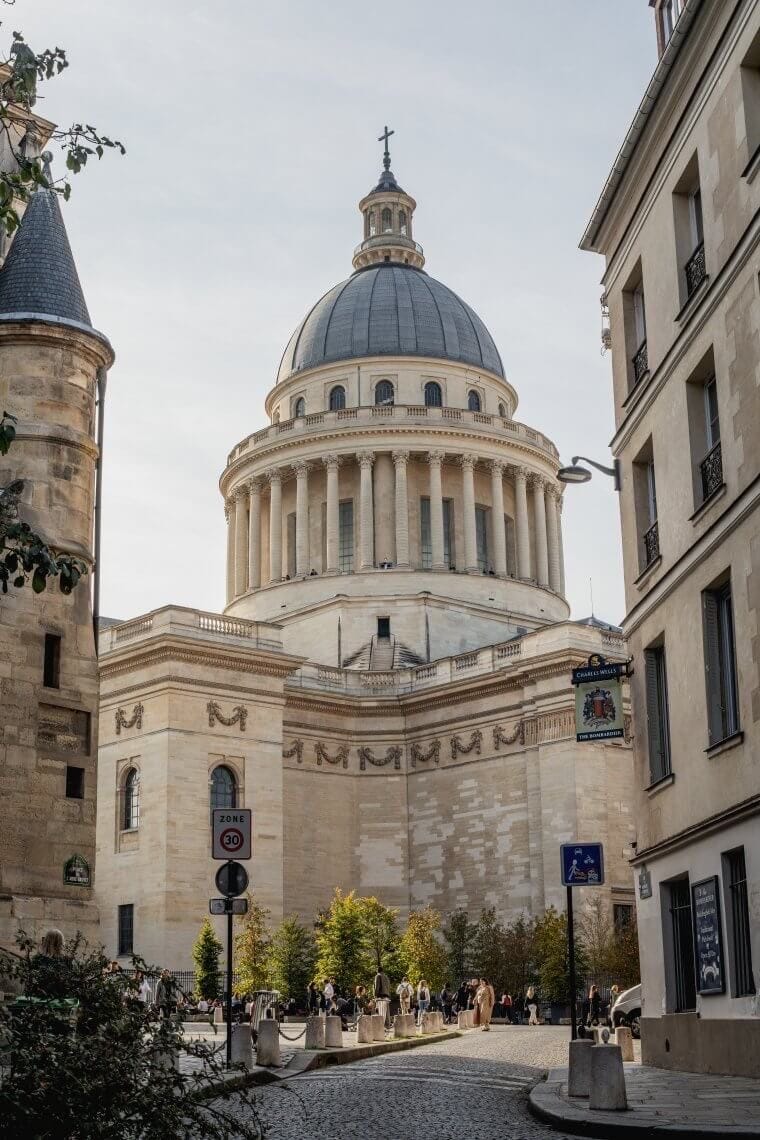
The turning point came in Paris.
In May 1968, students and activists filled the streets, occupied universities, erected barricades, and challenged virtually every institution they could find. Many young intellectuals looked at the unrest and saw liberation. Scruton saw something else.
Years later, he recalled standing in the Latin Quarter watching crowds tear apart parts of the city and attack the institutions around them. What struck him was the contempt. He saw people treating inherited things as obstacles rather than achievements. Buildings, traditions, customs, institutions, and ways of life that had taken generations to create were dismissed almost casually by people who seemed to assume they could build something better overnight.
Scruton often said that this experience transformed him from a man of the left into a conservative.
The political shift mattered.
The architectural shift mattered even more.
Because once he began thinking seriously about inheritance, he started asking a question that would shape much of his life.
Why do people love certain places?
The question sounds simple.
Yet the more he examined it, the stranger it became.
Why did people travel to Florence and not to industrial housing estates?
Why did people fight to preserve old town centers while barely noticing the demolition of newer buildings?
Why did medieval cities inspire affection generation after generation while so many modern developments struggled to produce the same emotional attachment?
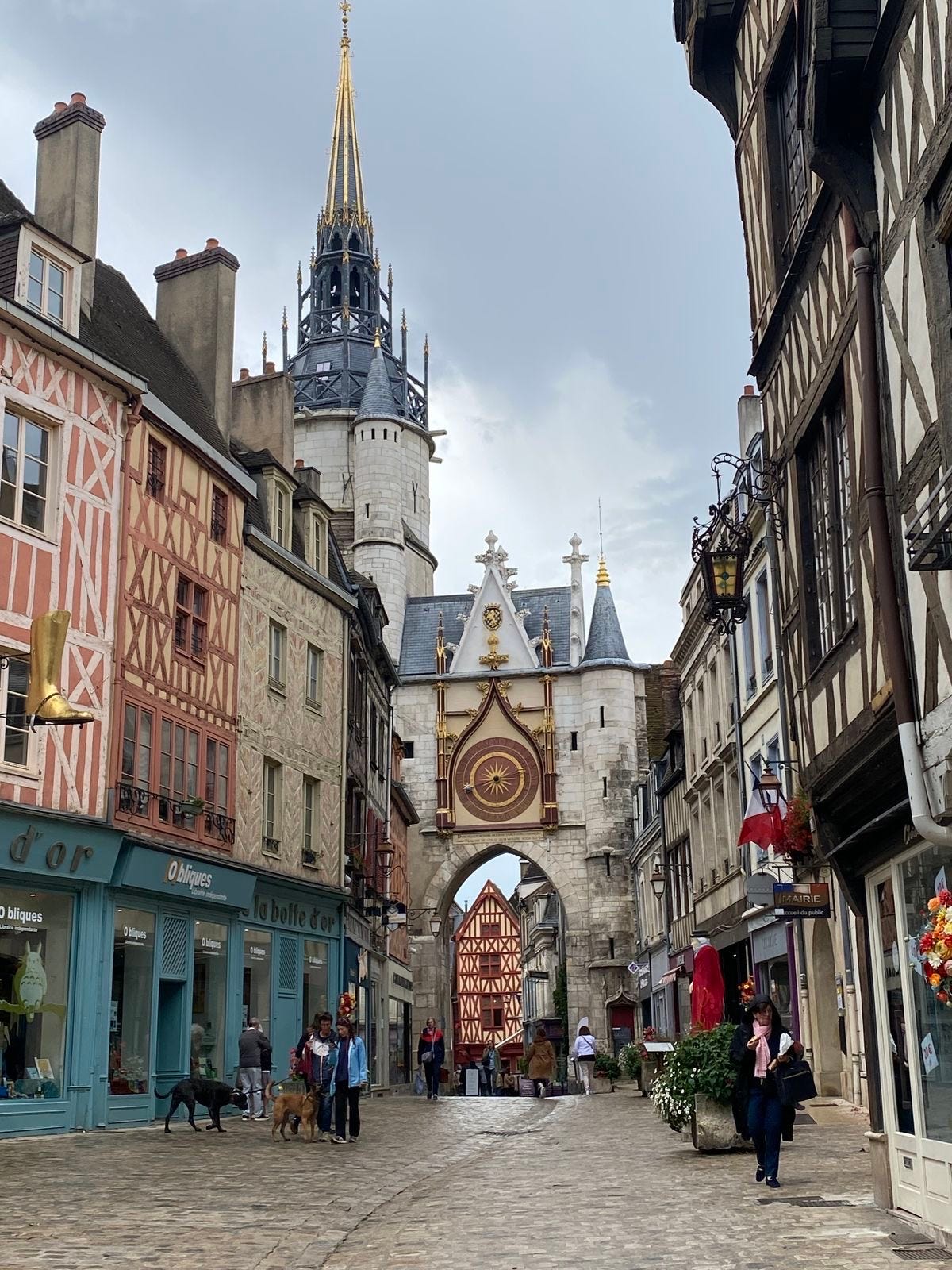
These questions eventually led him toward architecture.
And architecture eventually led him toward medieval Europe.
If these essays have changed the way you see the world around you, the paid tier goes further.
You get longer, more researched pieces on the places that shaped western civilization and the stories behind them. Deep dives into tradition, craftsmanship, and what the built world reveals about culture. Travel guides that teach you to actually read the places you visit.
This project is kept alive by people who care about old world traditions. For a few dollars a month, you can be one of them.
One of the things Scruton noticed was that most people instinctively preferred old cities long before they understood architectural theory. A tourist arriving in Siena rarely carries a deep knowledge of Gothic design. Someone wandering through Prague is usually not thinking about proportional systems or urban planning philosophies. Yet people consistently respond to these places in remarkably similar ways.
They slow down.
They look around.
They spend time in public squares.
They photograph buildings.
They wander without a destination.
Most importantly, they enjoy being there.
Scruton thought that fact deserved serious attention.
Modern architectural theory focused on experts. Scruton became interested in ordinary people. Rather than asking what architects admired, he began asking what human beings actually loved.
And the answer kept leading him back to medieval cities.
Part of the reason was personal..