

Everything begins with the castle.
Long before Edinburgh became Scotland’s capital, people realized that the volcanic rock overlooking the surrounding countryside was one of the strongest defensive positions in Britain. Whoever controlled it controlled the surrounding land, and for centuries kings, armies, and invaders fought over exactly that.
By the seventh century, a fortress already stood on the rock. The settlement was known as Din Eidyn, a name that gradually evolved into Edinburgh. It wasn’t much of a city yet, but it had something every medieval ruler wanted: an almost impregnable fortress.
That fortress soon became one of the most important in Scotland.
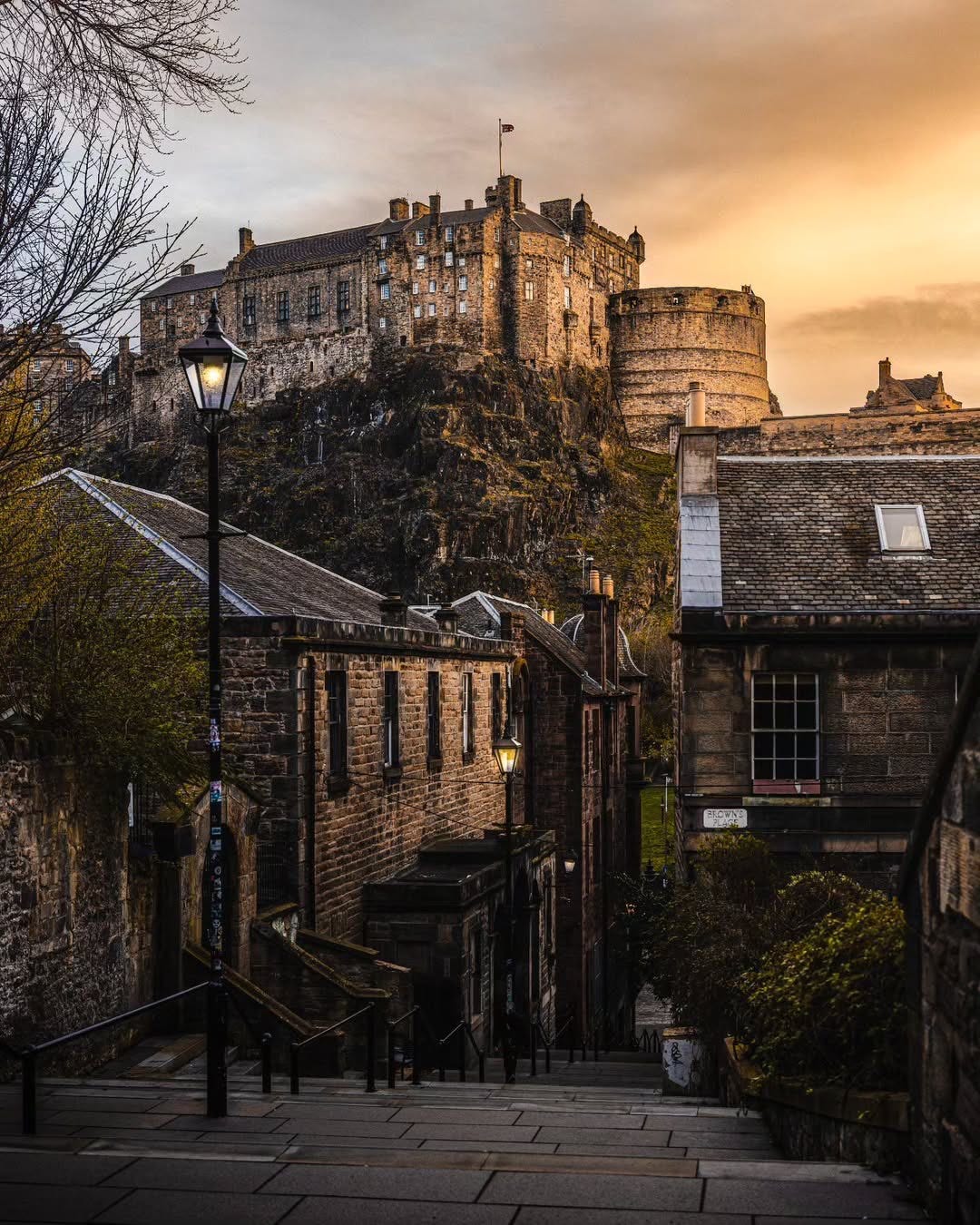
When Edward I invaded Scotland in 1296, Edinburgh Castle was among his first objectives. The English king understood that conquering Scotland meant capturing its strongest fortresses, and Edinburgh was one of the greatest of them all. For almost twenty years it remained in English hands until Robert the Bruce decided he wanted it back.
The problem was obvious.
If these essays have changed the way you see the world around you, the paid tier goes further.
You get longer, more researched pieces on the places that shaped western civilization and the stories behind them. Deep dives into tradition, craftsmanship, and what the built world reveals about culture. Travel guides that teach you to actually read the places you visit.
This project is kept alive by people who care about old world traditions. For a few dollars a month, you can be one of them.
Storming the castle was almost impossible.
Its cliffs were simply too steep.
Instead, Bruce entrusted the task to his nephew, Thomas Randolph, Earl of Moray. According to contemporary accounts, Randolph’s men climbed the northern cliffs under cover of darkness, following a narrow path that only a handful of people knew existed. Before sunrise they had surprised the English garrison and recaptured one of Scotland’s greatest strongholds without launching a conventional siege.
It was exactly the kind of daring operation medieval chroniclers loved to describe.
As Scotland gradually became more stable, the city beneath the castle began to grow. There was only one problem.
There wasn’t much room.
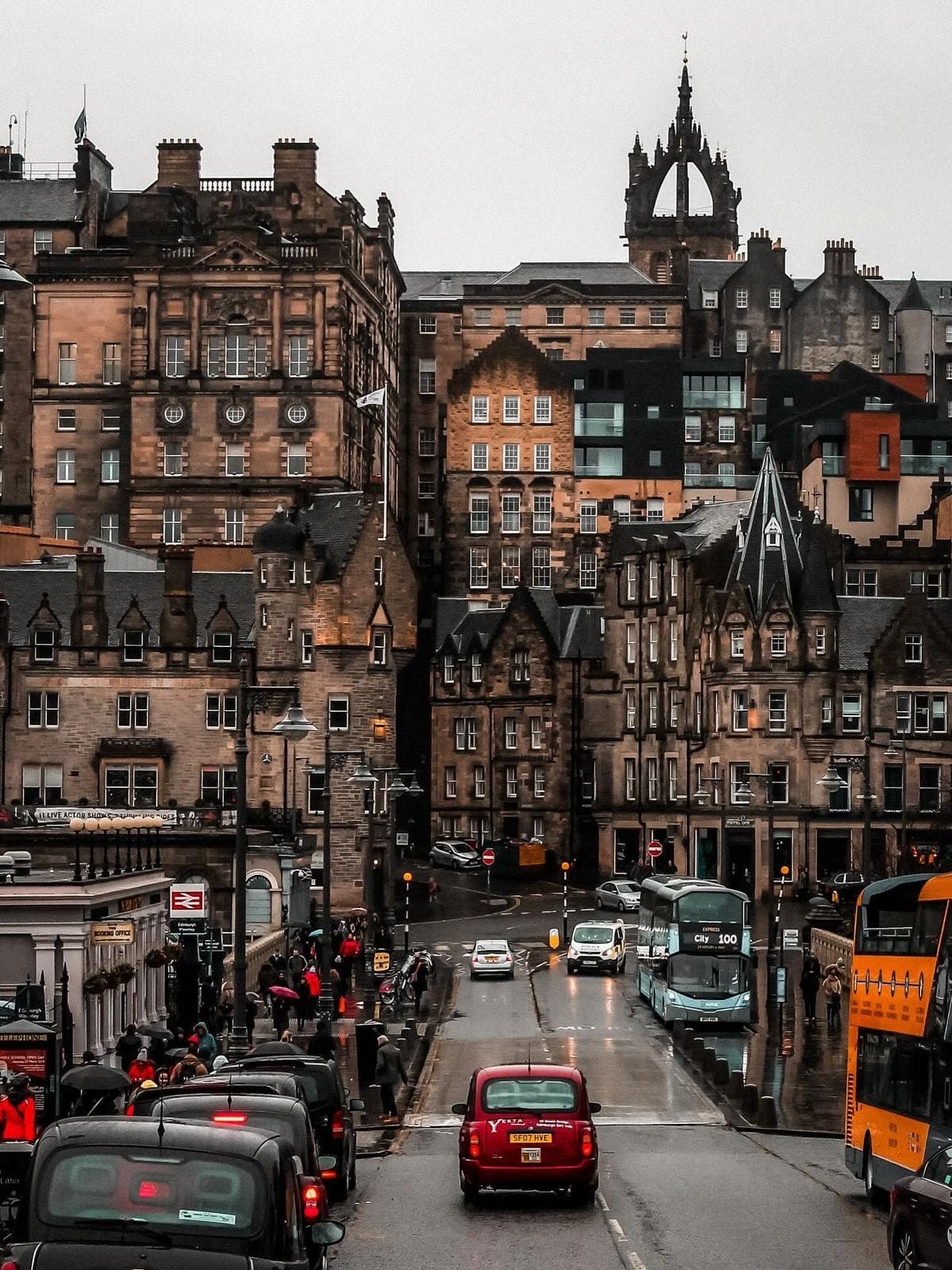
Unlike London or Paris, Edinburgh couldn’t spread very far because deep valleys surrounded the ridge on which it stood. Instead of expanding outward, the city expanded upward. Houses became taller and taller until some reached eleven storeys, making them among the tallest residential buildings anywhere in Europe. The narrow alleyways between them became known as closes, many of which still survive today.
Life inside those streets was crowded, noisy, and often filthy, but they also became the centre of Scottish life. Merchants traded there. Parliament met nearby. Kings rode down what became known as the Royal Mile on their way to Holyrood Palace. Almost every major event in Scottish history passed through that single street.
The sixteenth century brought another revolution, this time not military but religious.
John Knox arrived in Edinburgh preaching the ideas of the Protestant Reformation, and before long St Giles’ Cathedral had become the centre of a movement that would reshape Scotland. Knox insisted that ordinary people should be able to read the Bible for themselves, an idea that encouraged literacy on a remarkable scale. Within a few generations, Scotland had become one of Europe’s most educated societies.
That helps explain something that happened a century later.
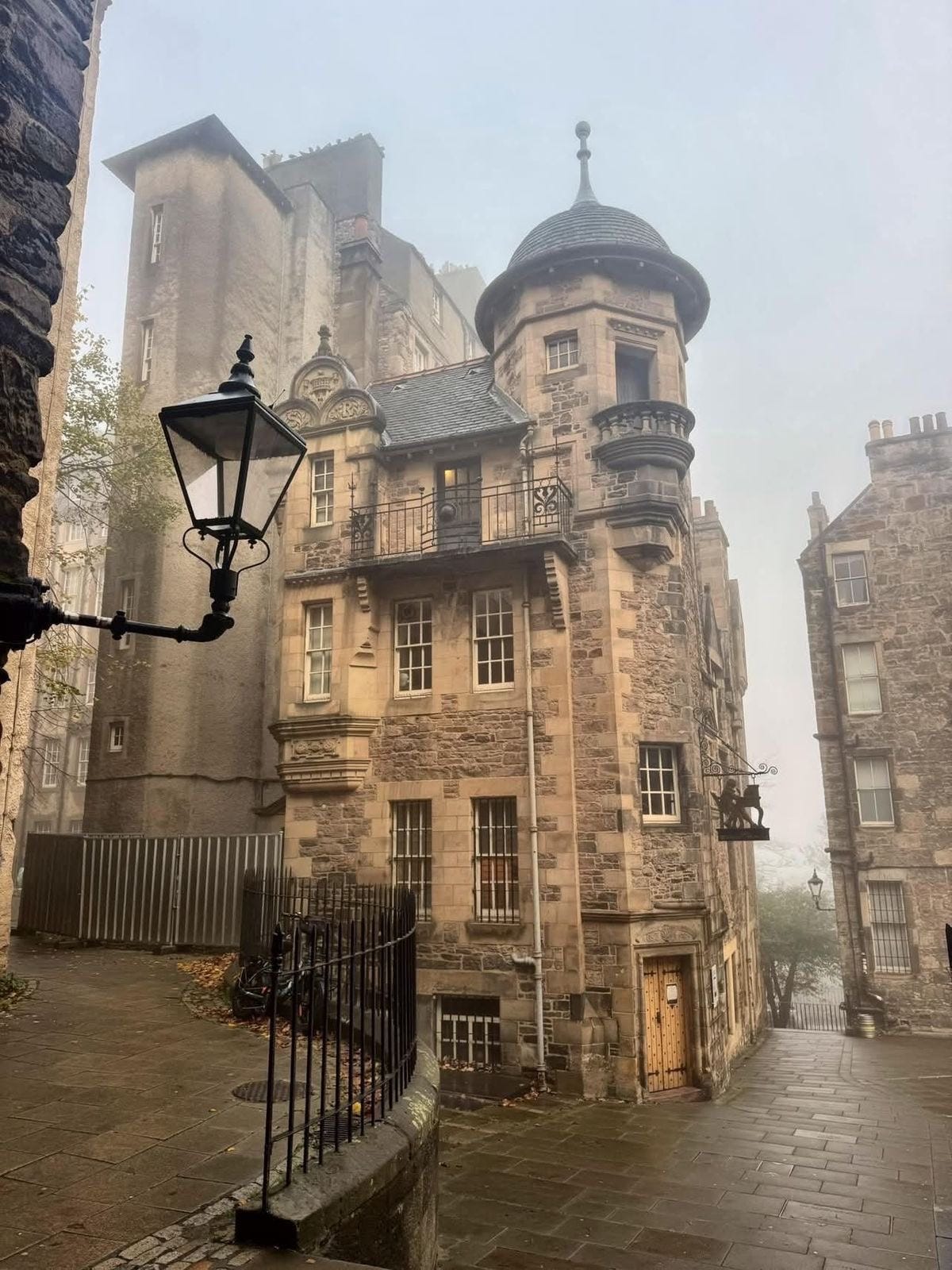
Despite having a population far smaller than London or Paris, Edinburgh found itself producing some of the greatest thinkers in Europe. David Hume transformed philosophy. Adam Smith laid the foundations of modern economics. James Hutton revolutionized geology. Visitors began calling Edinburgh the “Athens of the North,” not because it resembled Athens physically, but because ideas seemed to flourish there wherever one looked.
Ironically, the city’s success created a new problem..