

Every morning, millions of people wake up, walk through their homes, commute to work, sit in offices, stroll through city streets, and return home again without giving much thought to the spaces around them.
Yet every one of those spaces has been designed.
Someone decided how wide the streets would be, where the windows should face, how much sunlight would enter a room, how high the ceilings should rise, where benches would stand, and even how people would move from one place to another.
Good design goes unnoticed.
Bad design is almost impossible to ignore.
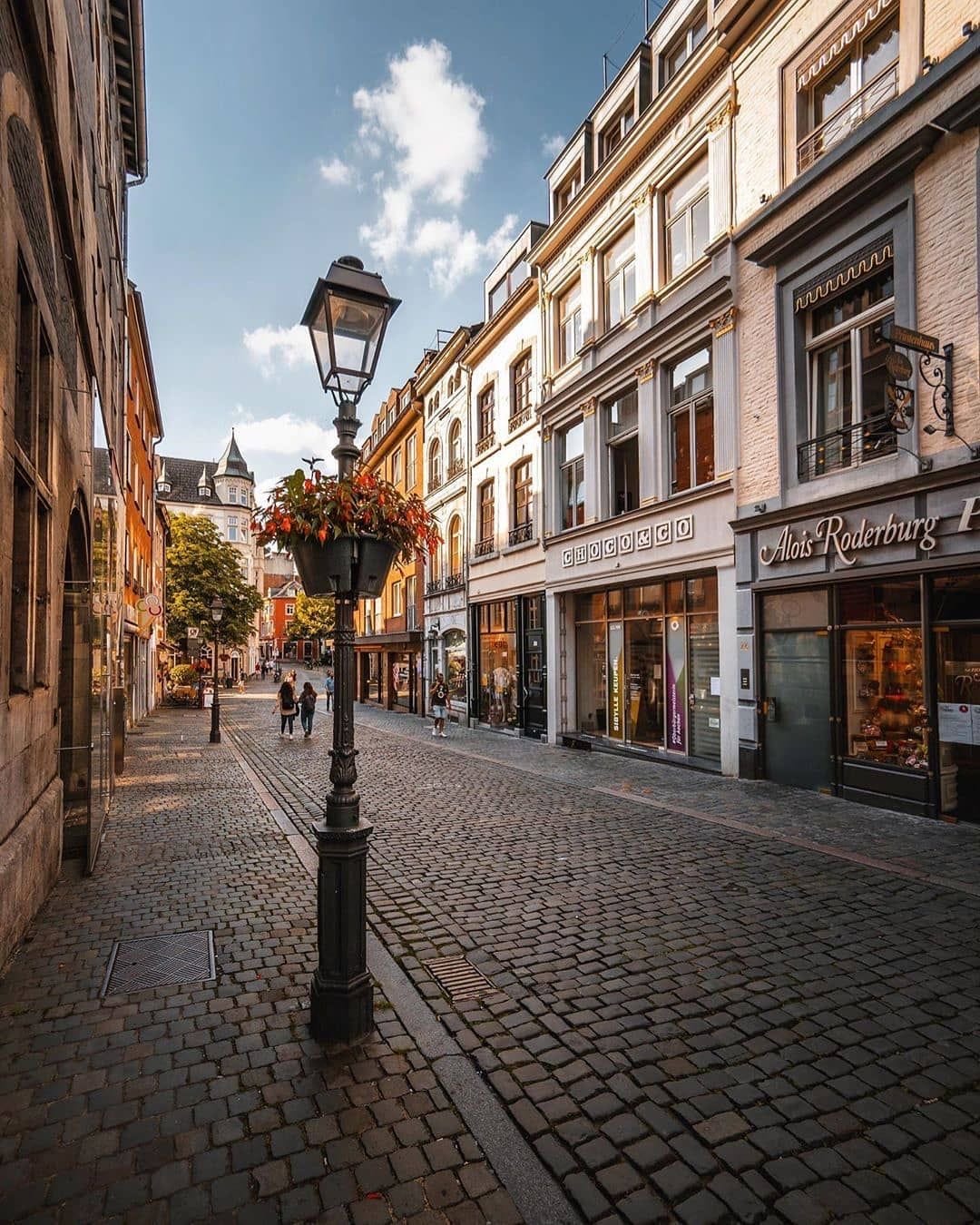
Whether we realize it or not, design influences nearly every aspect of our lives. It affects how productive we are at work, how often we interact with our neighbours, how safe we feel walking through a city, and even how willing we are to spend time in public spaces. Long before politicians pass laws or governments launch initiatives, architects, planners, and designers have already shaped the environments in which those decisions will play out.
For that reason, design is far more than decoration.
It shapes the way we live.
Cities Shape Human Behaviour
For most of history, cities developed gradually.
People built homes close to churches, markets, workshops, and town squares because almost everything happened within walking distance. Streets remained narrow because they followed older paths or accommodated pedestrians rather than automobiles. Public squares became natural gathering places where merchants traded, children played, neighbours met, and festivals unfolded throughout the year.
Few medieval builders spoke about creating “community.”
They simply built towns in ways that allowed communities to emerge naturally.
Walk through places such as Rothenburg ob der Tauber, Bruges, or Český Krumlov, and one quickly notices something modern planning often struggles to reproduce. People linger. Cafés spill into the streets. Children play in public squares while tourists and locals share the same spaces without much thought.
The architecture quietly encourages people to remain.
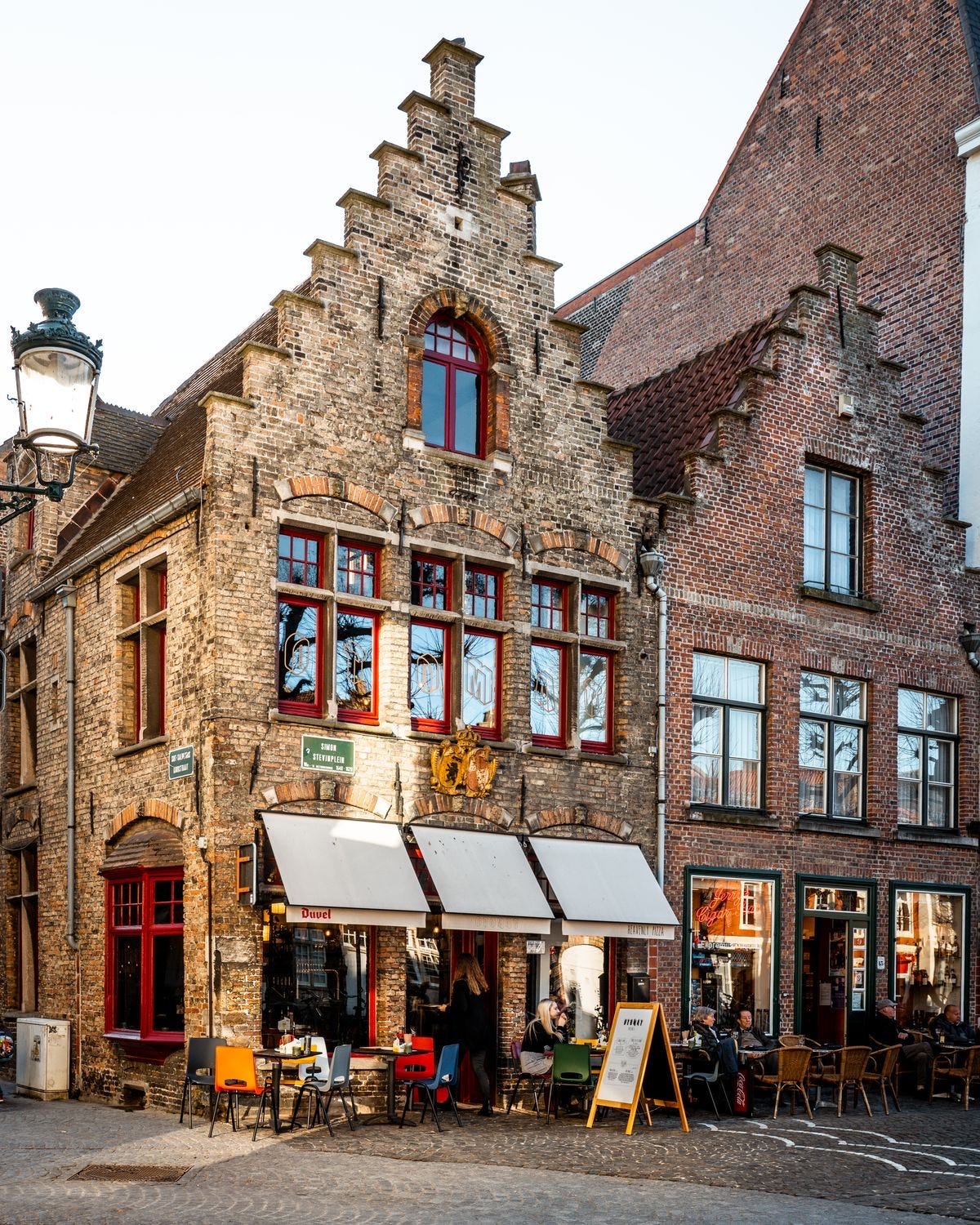
By contrast, many modern developments separate homes, workplaces, shopping centres, and recreation into entirely different districts connected primarily by roads. Residents drive from garage to office, from office to supermarket, and from supermarket back home, often interacting with remarkably few people along the way.
The difference is not simply cultural.
It is architectural.
If these essays have changed the way you see the world around you, the paid tier goes further.
You get longer, more researched pieces on the places that shaped western civilization and the stories behind them. Deep dives into tradition, craftsmanship, and what the built world reveals about culture. Travel guides that teach you to actually read the places you visit.
This project is kept alive by people who care about old world traditions. For a few dollars a month, you can be one of them.
The Office Changes the Way We Work
The same principle applies inside buildings.
Consider the evolution of the modern office.
For much of the twentieth century, companies embraced open-plan offices. Removing walls, managers believed, would encourage collaboration, increase communication, and create a stronger sense of teamwork. Large corporations across Europe and North America redesigned entire headquarters around this philosophy.
The results proved mixed.
While open offices certainly increased visibility, numerous studies later found that they often reduced face-to-face interaction, increased distractions, and made concentrated work more difficult. Employees frequently responded by wearing headphones or communicating through email rather than speaking to colleagues sitting only a few metres away.
The intention had been connection.
The outcome often became isolation.
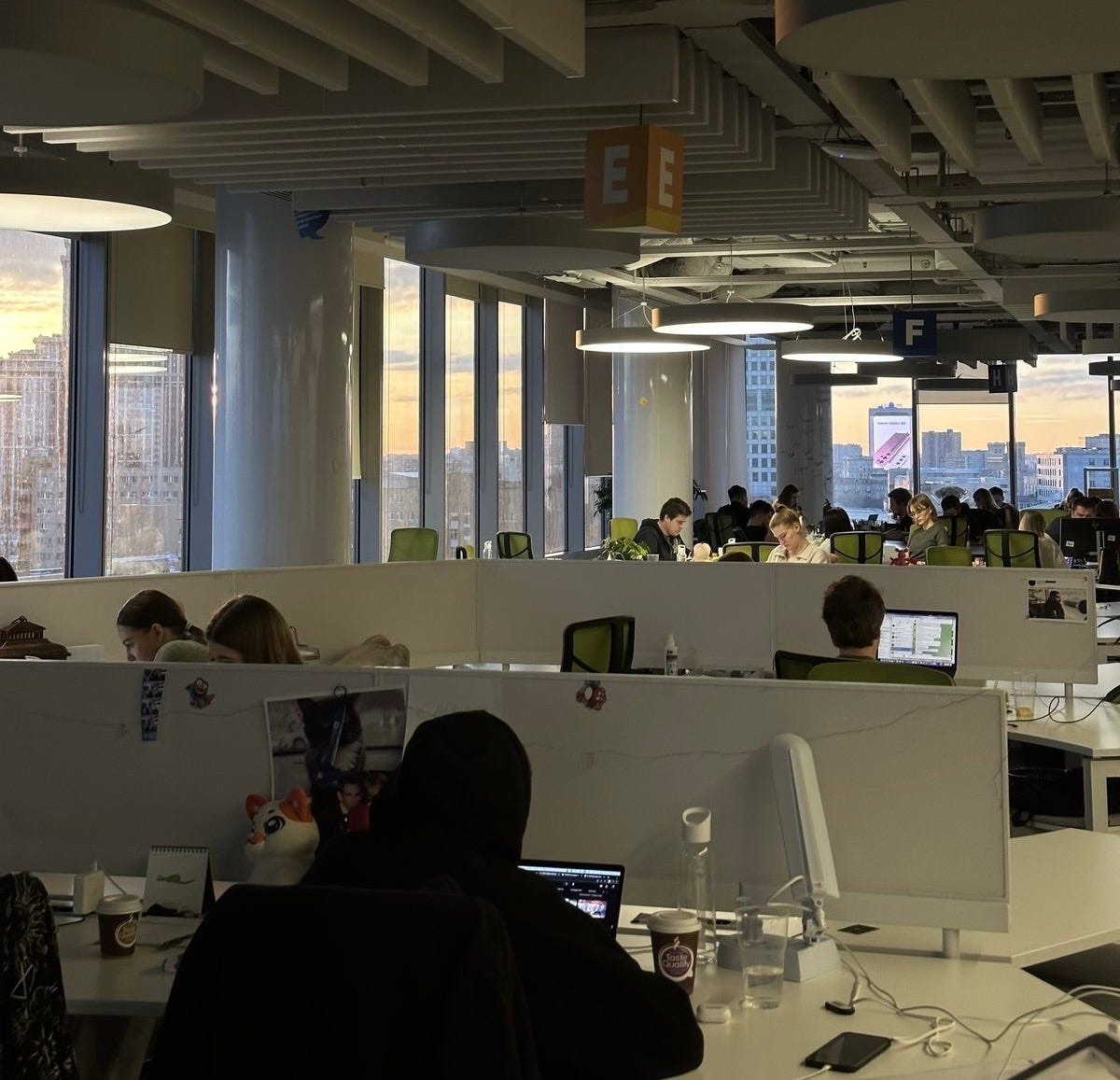
Today many companies have begun reintroducing quieter workspaces, private meeting rooms, and flexible layouts that balance collaboration with concentration.
The buildings changed because designers gradually realized that physical environments influence behaviour far more than many had assumed.
Why Some Places Feel Comfortable
Have you ever entered a room and immediately felt at ease?
Or walked into another building that somehow felt cold despite expensive furniture and beautiful materials?
Designers have studied that question for generations..