

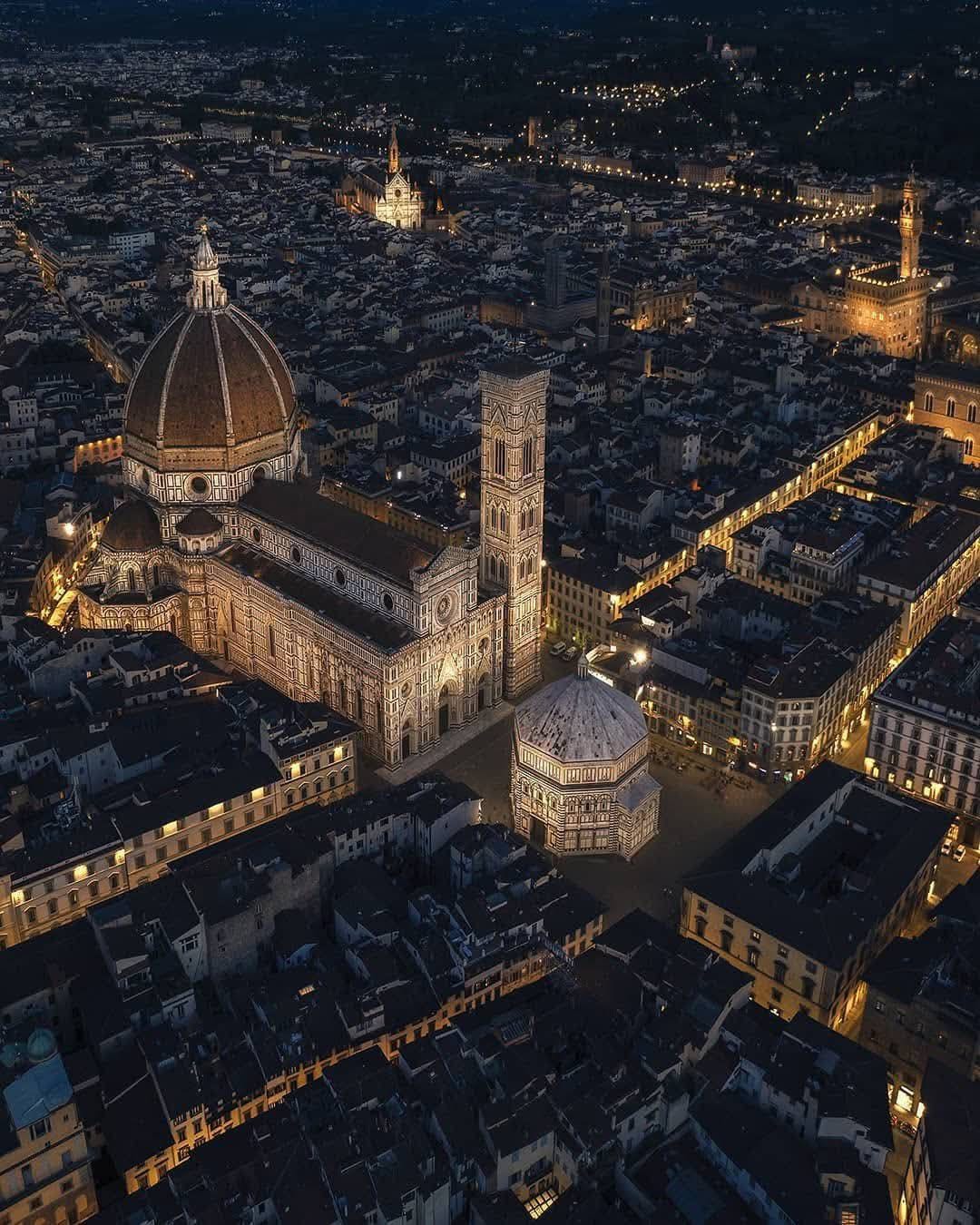
Most people never think about architecture.
They think about politics, religion, technology, economics, education, culture, and history. Architecture sits somewhere in the background, you pass through them every day without giving them much thought.
Yet there is something strange about that assumption.
If architecture really doesn’t matter very much, why do people cross oceans to spend a few days in Florence? Why do millions of visitors arrive in Prague every year? Why do tourists wander through Bruges, Siena, Oxford, Salzburg, or Rothenburg with cameras in their hands while staring upward at buildings that were constructed centuries ago?
Nobody saves money for years to visit an office park.
Nobody dreams of walking through a business district built in 1974.
Nobody hangs framed photographs of anonymous concrete apartment blocks above their fireplace.
And yet people do exactly that with older cities.
The philosopher Sir Roger Scruton spent much of his life thinking about this question. He believed modern society underestimated architecture because architecture works slowly. A political speech lasts a few minutes. A newspaper article lasts a few minutes. Even a great book occupies only a small portion of your life. Buildings operate differently. The street outside your house influences you every day. The church tower influences you every day. The square where you meet friends influences you every day. The city itself becomes part of your mental landscape, shaping your sense of beauty, order, belonging, and community without ever announcing that it is doing so.
That idea sounds obvious once you hear it. Yet many of the most important decisions made during the twentieth century assumed something very different. Planners increasingly treated buildings as machines. Architects increasingly treated cities as theories. Developers increasingly treated land as numbers on a spreadsheet. And gradually many places stopped feeling like places people loved and started feeling like places people merely used.
Scruton spent decades asking why.
His answer began with a simple observation: Human beings become attached to places.
And the places we build shape the people who live inside them..
1) Why Do Some Places Become Beloved?
Walk through Florence for a day and then spend the same afternoon wandering through an anonymous modern business district.
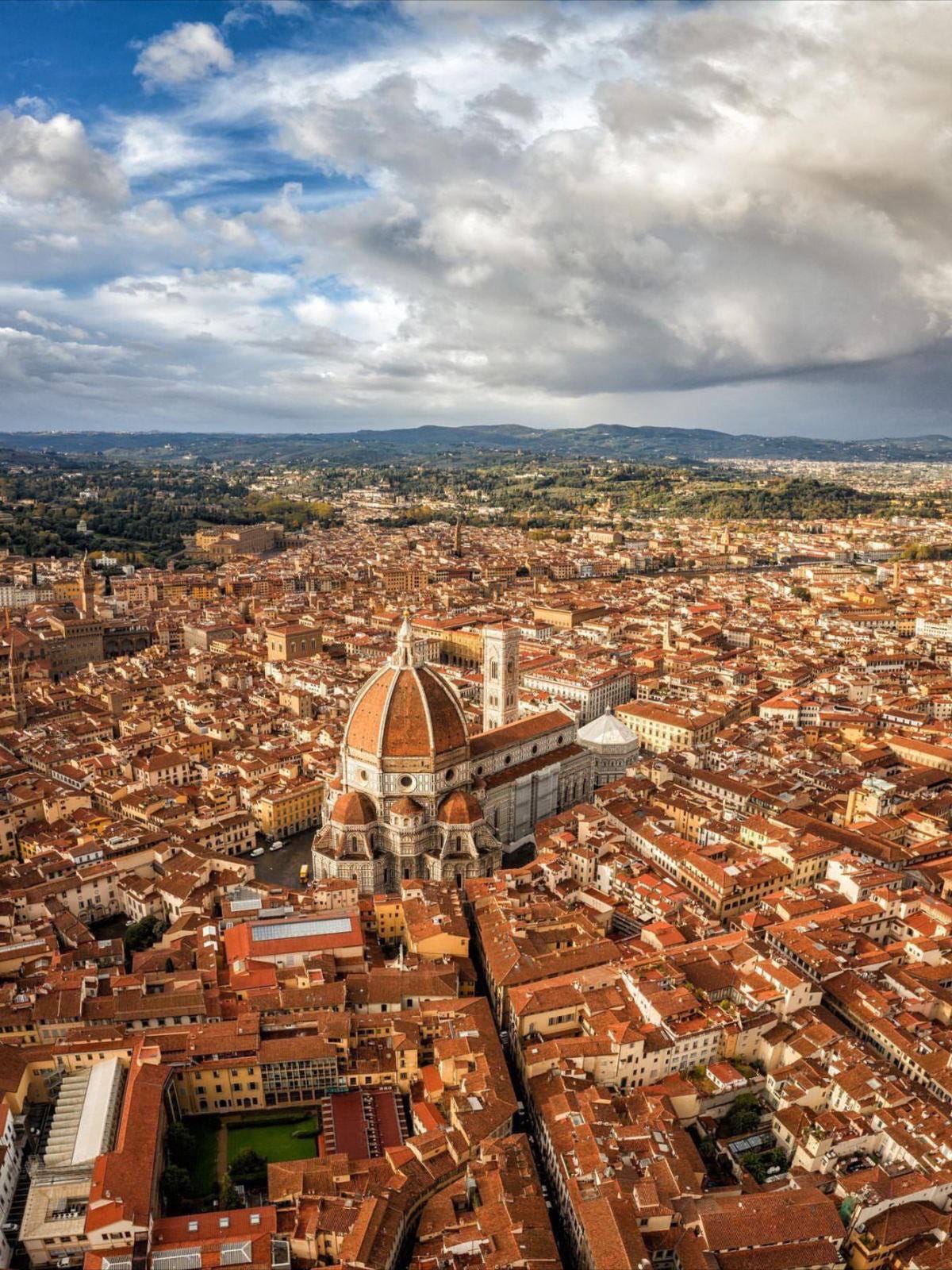
Most people feel the difference.
They may describe it differently. One person talks about beauty. Another talks about atmosphere. Yet they are all reacting to something real.
The streets feel different.
The buildings feel different.
The public spaces feel different.
The experience of moving through the city feels different.
Florence rewards attention constantly. A narrow street suddenly opens into a square. A church tower appears above the rooftops. A fountain sits at the end of a lane. A palace reveals itself around a corner. The city feels like it was built by people who expected human beings to walk through it slowly and enjoy what they saw.
And importantly, this reaction is remarkably consistent.
Very few visitors arrive in Florence and conclude that they would rather spend the afternoon in a windswept office park surrounded by parking garages.
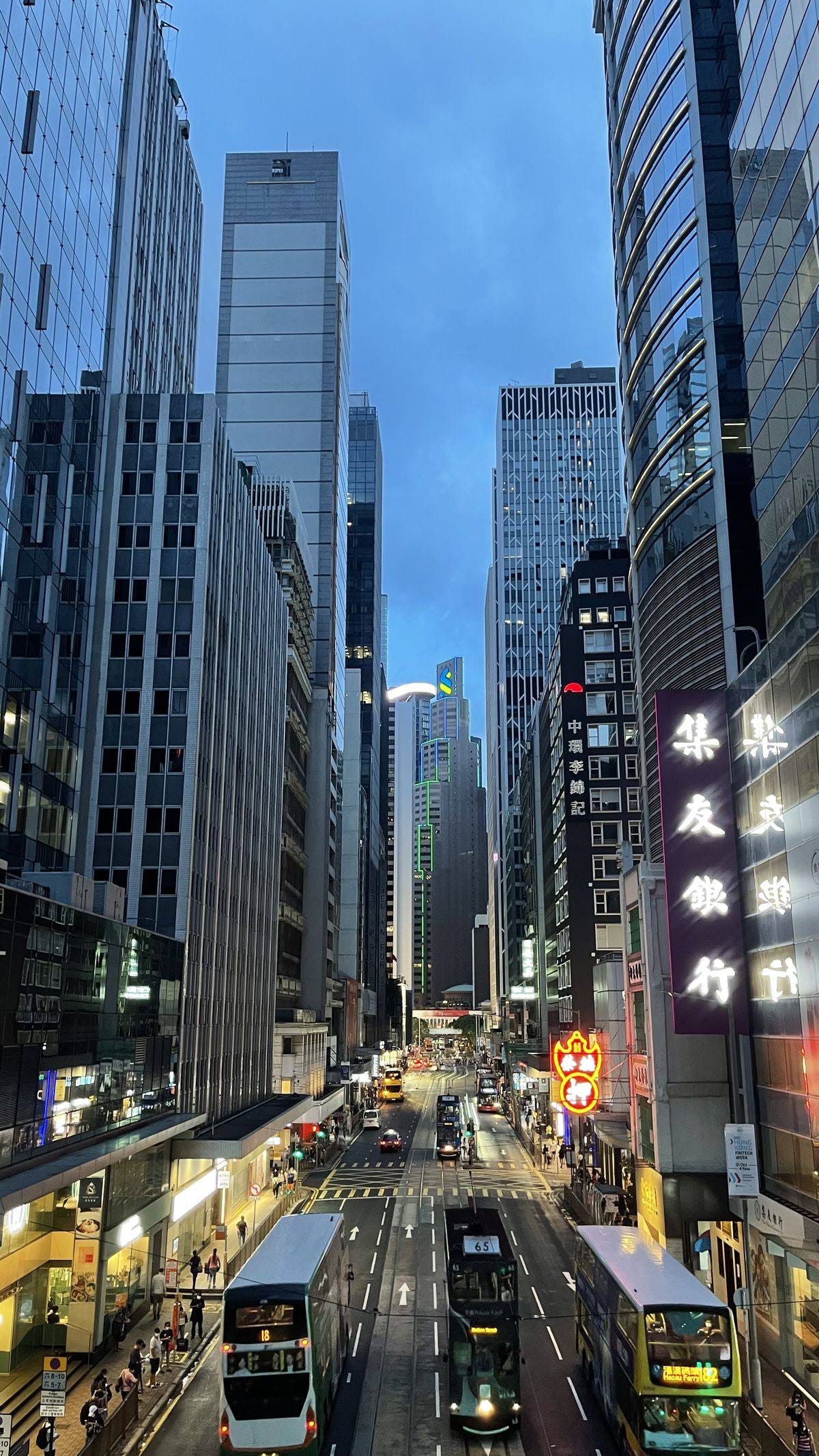
That tells us something important..
Beauty may not be entirely objective, yet neither is it completely arbitrary.
If these essays have changed the way you see the world around you, the paid tier goes further.
You get longer, more researched pieces on the places that shaped western civilization and the stories behind them. Deep dives into tradition, craftsmanship, and what the built world reveals about culture. Travel guides that teach you to actually read the places you visit.
This project is kept alive by people who care about old world traditions. For a few dollars a month, you can be one of them.
2) Architecture Changes How We Behave
One of Scruton’s most interesting arguments was that architecture influences behavior.
A beautiful square invites people to linger.
A pleasant street encourages walking.
A well-designed neighborhood encourages people to spend time outdoors.
You can see this everywhere once you begin looking for it.
In Siena, people gather naturally in the Piazza del Campo.
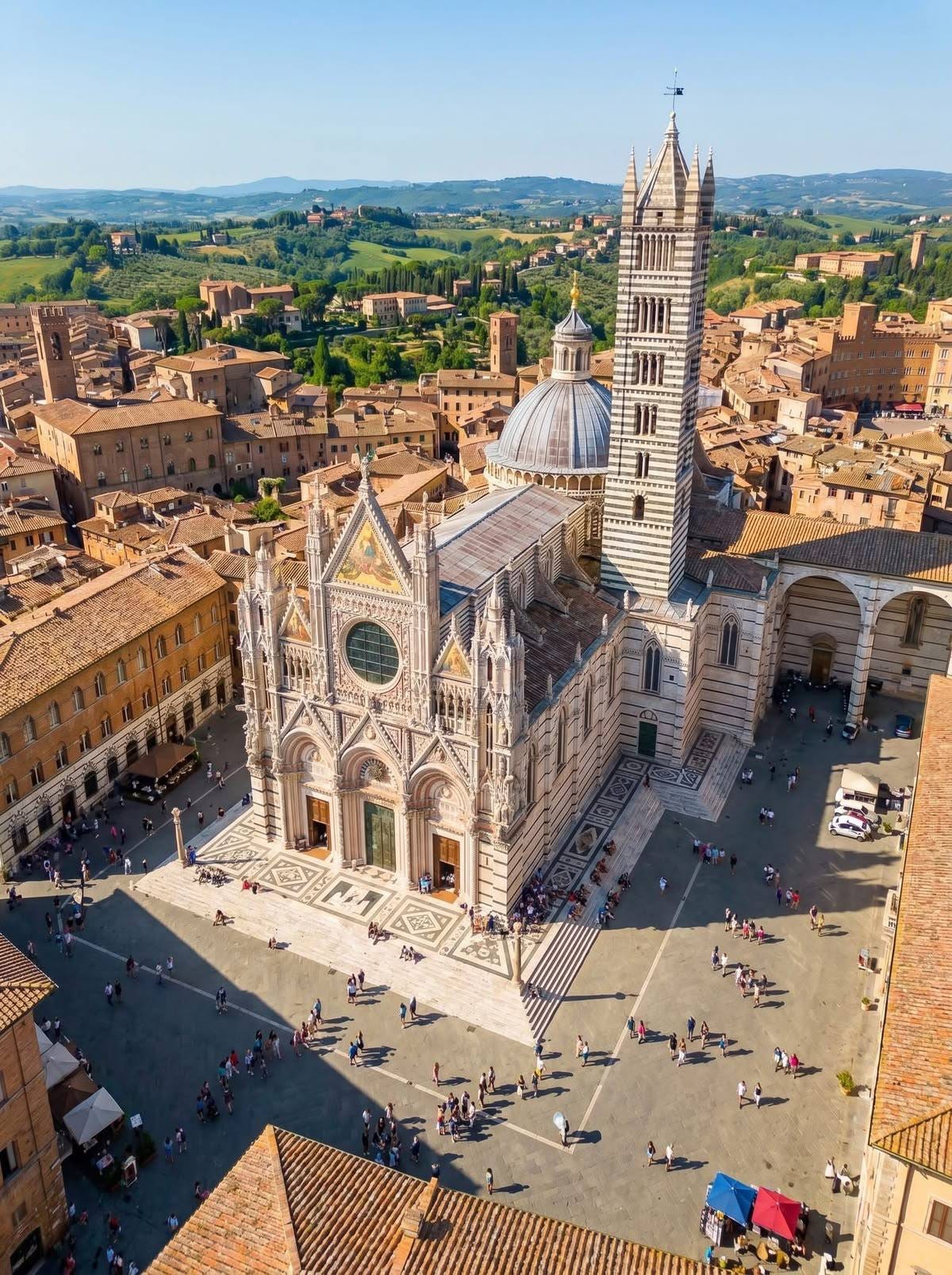
In Prague, people fill the historic squares and streets throughout the day.
In Florence, public life spills into courtyards, cafés, and plazas.
The architecture creates conditions that encourage certain kinds of behavior.
The reverse is also true.
Many postwar housing estates struggled partly because the physical environment discouraged the kinds of habits that older cities encouraged naturally. Large open spaces often sat empty. Pedestrian life weakened. Public areas felt disconnected from daily activity. Residents spent less time interacting with one another because the city itself provided fewer opportunities for spontaneous encounters.
Scruton believed architecture mattered because human beings are deeply shaped by their surroundings. We do not simply occupy buildings. We form relationships with them. We remember them. We attach memories to them. We begin thinking of them as part of our lives.
3) Why Old Cities Feel Human
One reason people continue loving older cities is that they were usually built gradually.
Florence was not constructed according to a single master plan.
Neither was Prague.
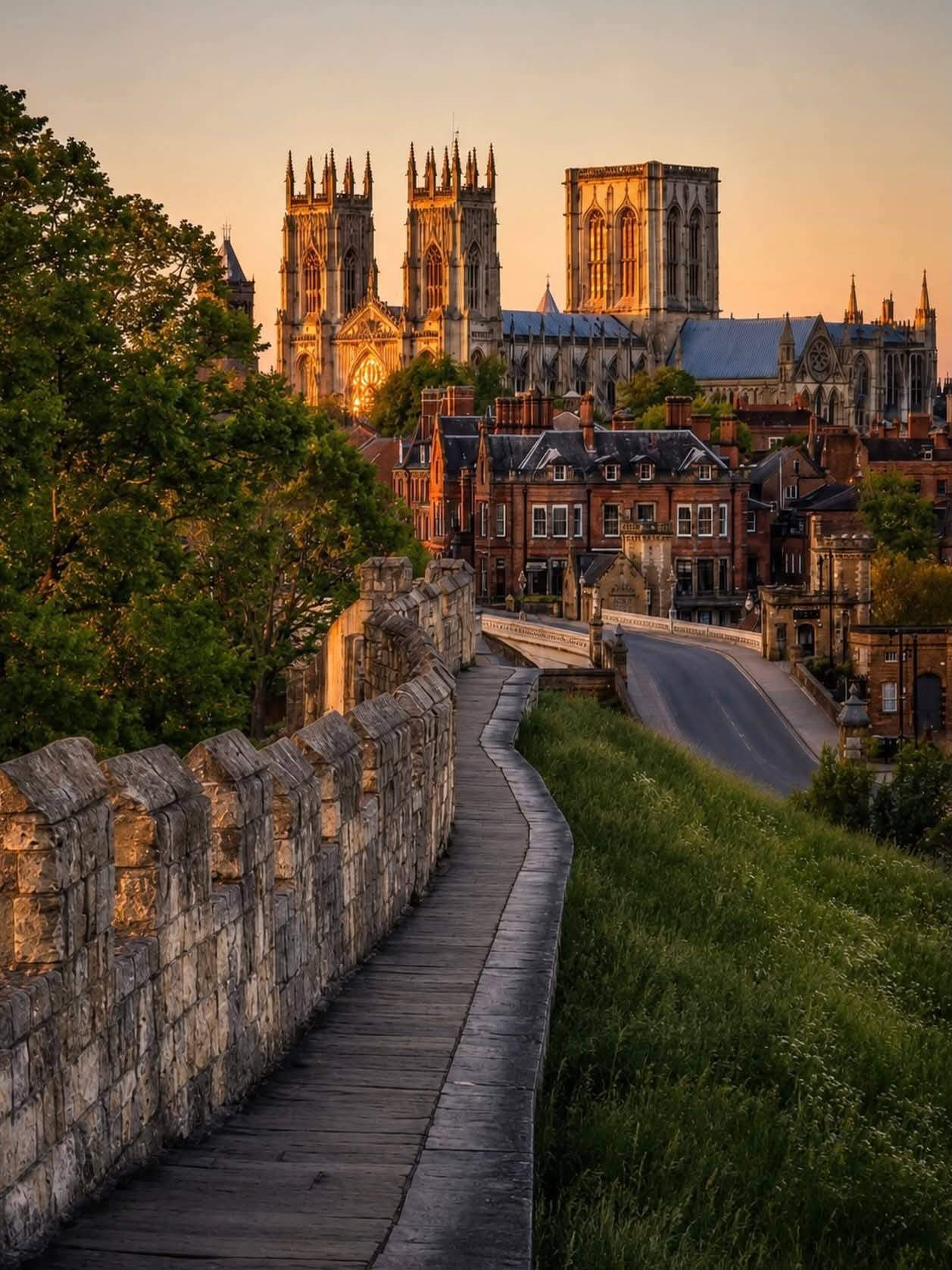
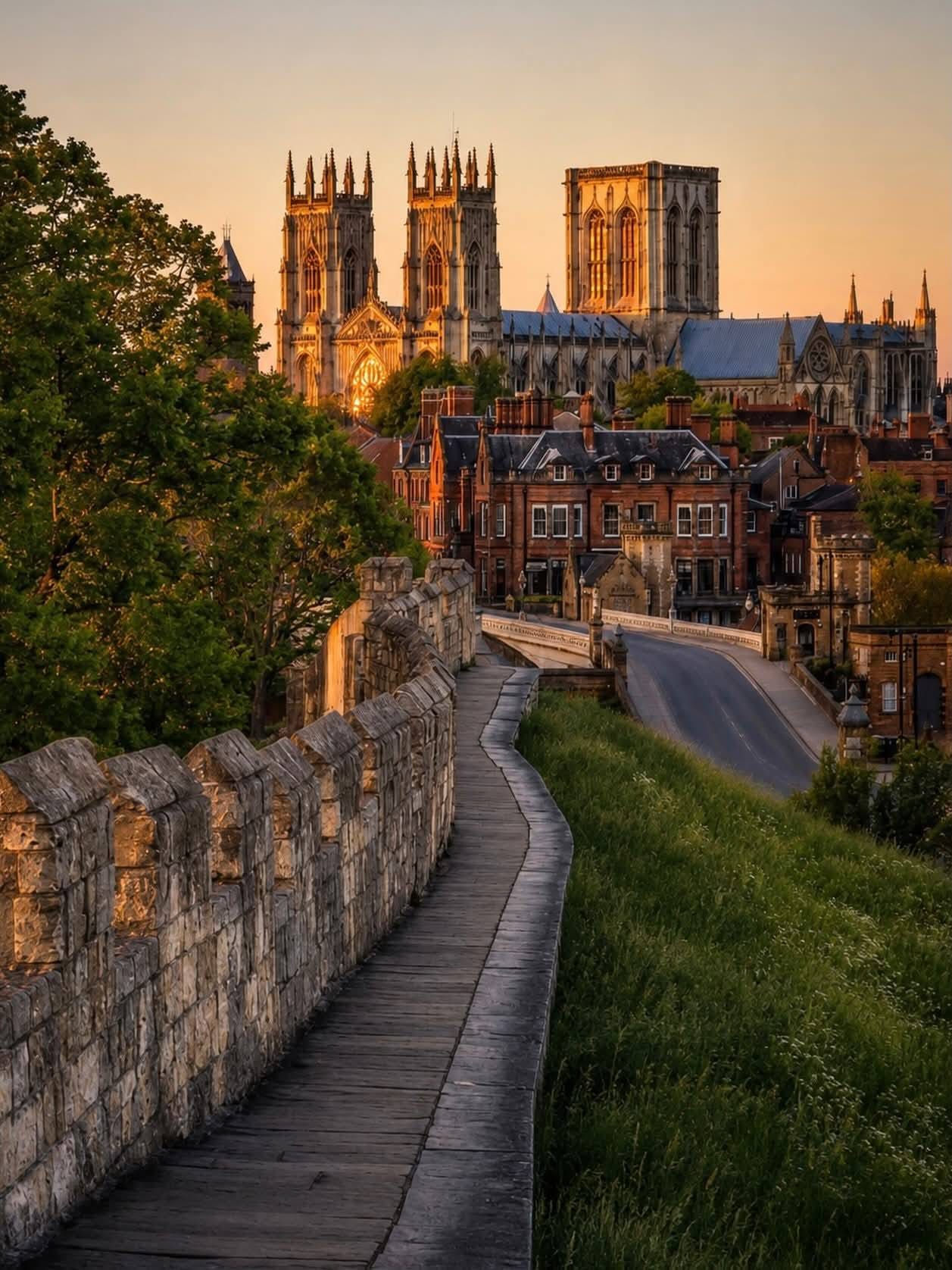
Neither was York
Neither was Bruges.
Generation after generation added something.
A church here.
A house there.
A square somewhere else.
Over time those pieces formed a coherent whole.
The city grew like a living organism rather than appearing all at once.
Scruton thought this mattered because it reflected a forgotten attitude toward building. Earlier generations generally saw themselves as custodians of a place. They inherited a city and tried to improve it before passing it to the next generation.
That mindset produces different results.
Instead of asking how a building can stand out from everything around it, people ask how it contributes to the wider city.
Instead of asking how to create something shocking, they ask how to create something lasting.
Instead of treating architecture as self-expression, they treat it as stewardship.
And when enough people think that way across centuries, beautiful cities emerge almost naturally.
4) What Happened During the Twentieth Century?
This was one of Scruton’s great concerns.
The twentieth century produced extraordinary technological achievements. Cities gained better sanitation, better transportation, better engineering, and better infrastructure. Living standards improved dramatically.
Yet many new buildings attracted far less affection than the older structures surrounding them.
Scruton believed part of the problem came from the growing gap between architects and ordinary people.
Architects increasingly spoke about innovation.
Ordinary people continued talking about beauty.
Architects increasingly focused on theories.
Ordinary people continued focusing on experience.
Architects admired many buildings that residents disliked almost immediately.
You can see this divide throughout Europe and North America. Entire housing complexes have been demolished within decades of construction because residents hated living there. Concrete plazas that once appeared in architectural magazines now sit abandoned or heavily redesigned. Buildings celebrated by professionals struggle to inspire affection among the people who use them every day.
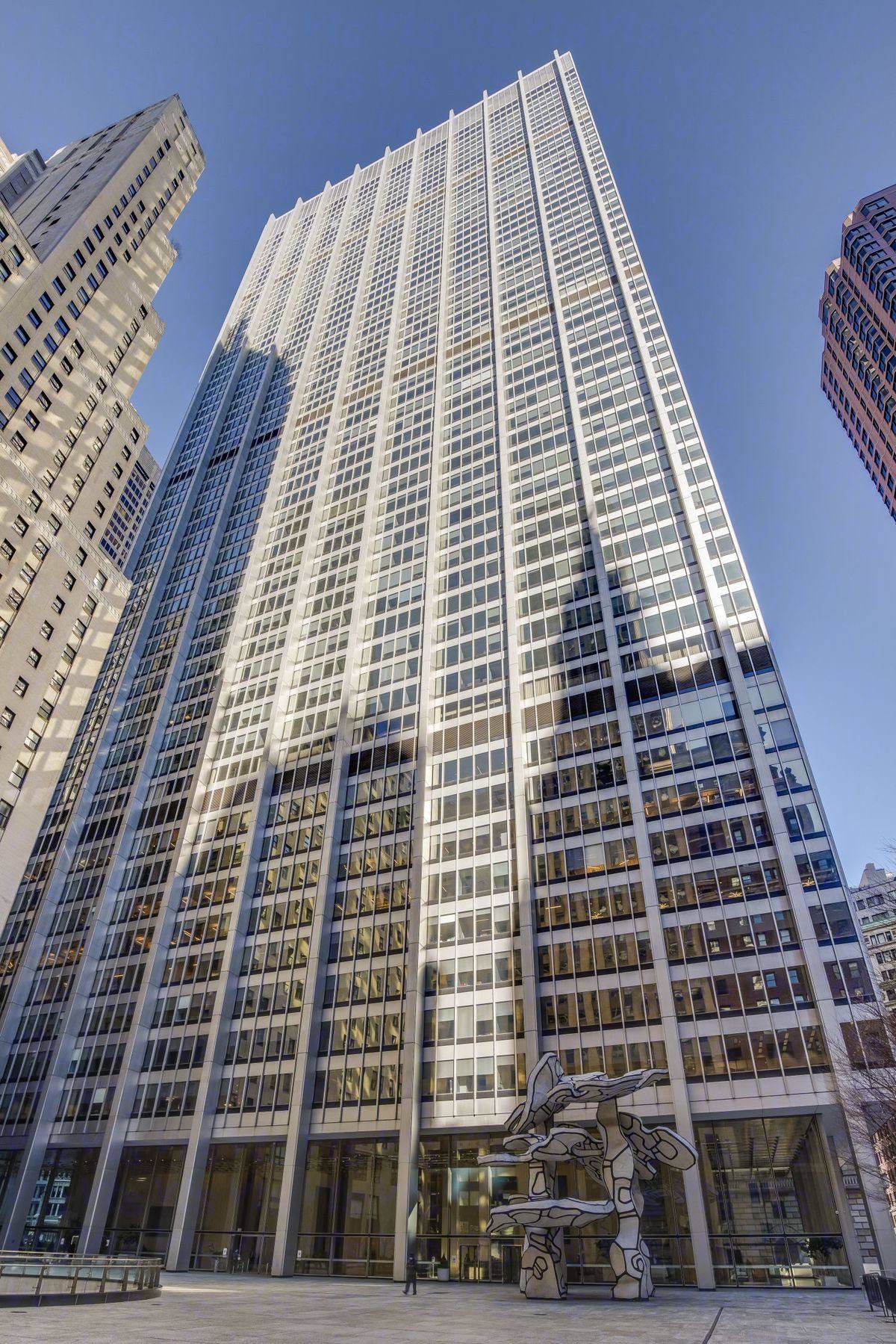
Scruton never argued that every modern building was bad. He simply believed architects should pay more attention to what human beings actually enjoy.
And honestly, that seems like a remarkably reasonable position.
5) Beauty Creates Attachment
One of Scruton’s deepest insights was that beauty serves a social purpose.
People care for places they love.
They maintain, protect, restore, and fight to preserve them.
Look at Florence, Prague, Oxford, or Bruges.
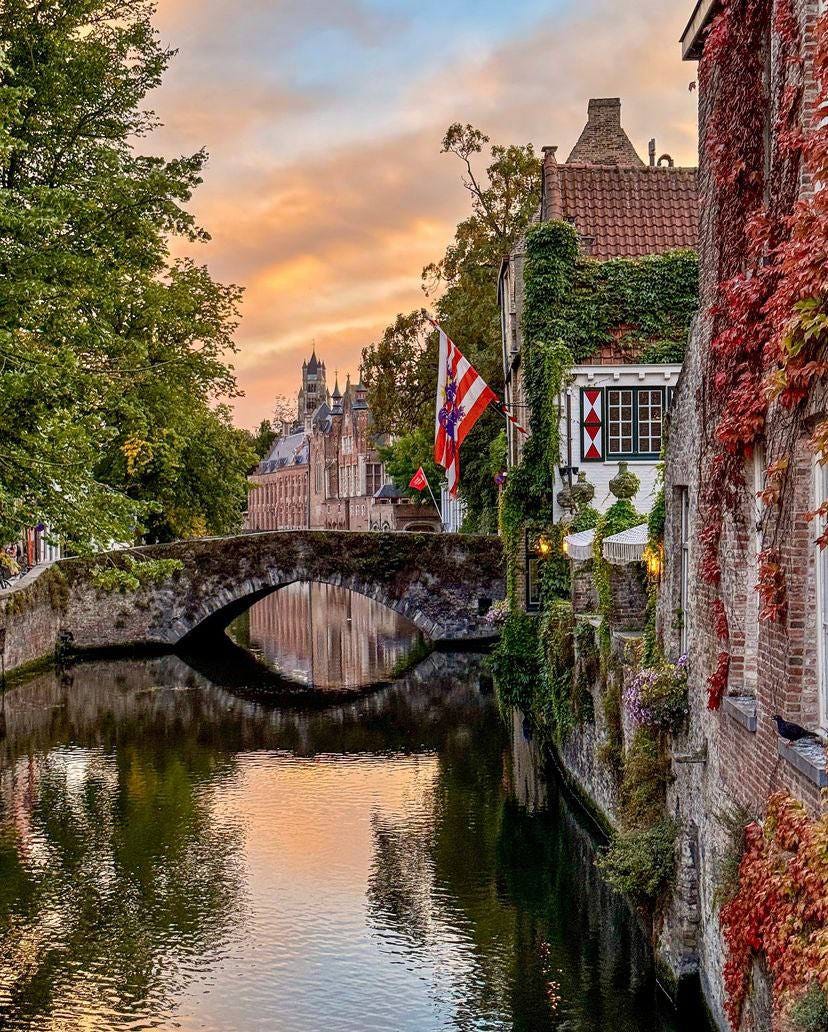
Generations have spent enormous sums preserving these places because people feel attached to them.
That attachment creates continuity.
A beautiful building survives because people want it to survive.
A beautiful square survives because people enjoy spending time there.
A beautiful city survives because residents see it as part of their inheritance.
This process becomes self-reinforcing across generations.
Children grow up surrounded by beauty.
They become adults who value beauty.
Then they pass those places on to their own children.
6) Why Churches Explain the Whole Question
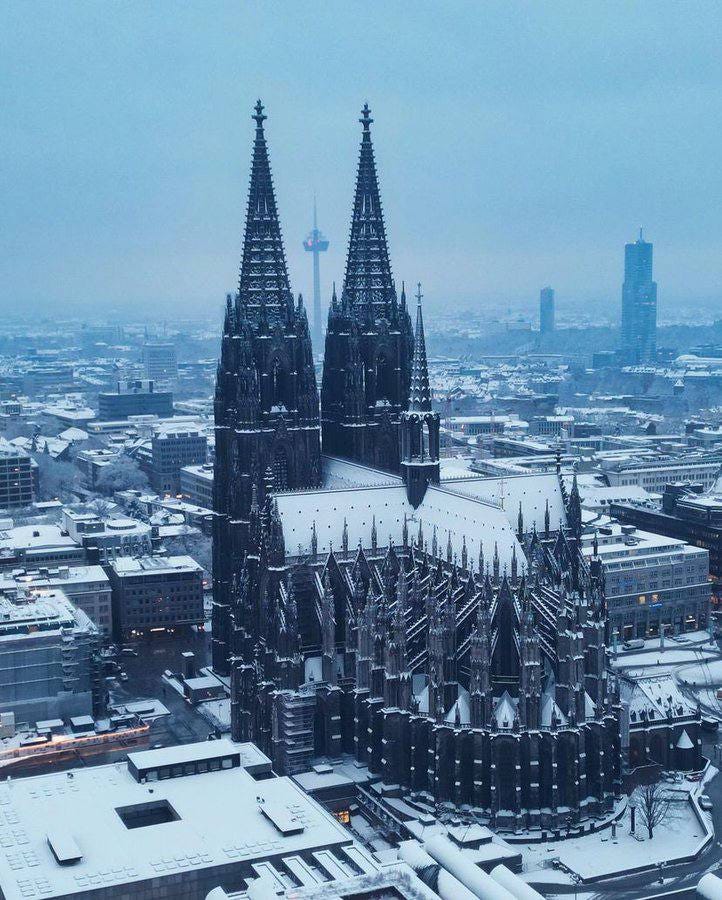
If you want to understand why architecture matters, look at a cathedral.
Take Chartres.
Take Cologne.
Take Florence.
Take Salisbury.
The people who built these structures devoted extraordinary resources to projects that would take generations to complete. Many of the workers knew they would never see the finished building.
And yet they kept building.
Why?
Because architecture carried meaning.
The cathedral represented something larger than the individual.
It represented faith, community, memory, and continuity.
A person standing inside one of these buildings today still feels the ambition behind it centuries later.
The stone speaks.
The scale speaks.
The craftsmanship speaks.
Without a single word, the building communicates what its creators believed was important.
Few things demonstrate the power of architecture more clearly than that.
7) We Become What We Build
Scruton’s central insight can be summarized very simply.
People shape places.
Then places shape people.
A city filled with beautiful public spaces encourages different habits than a city filled with anonymous spaces.
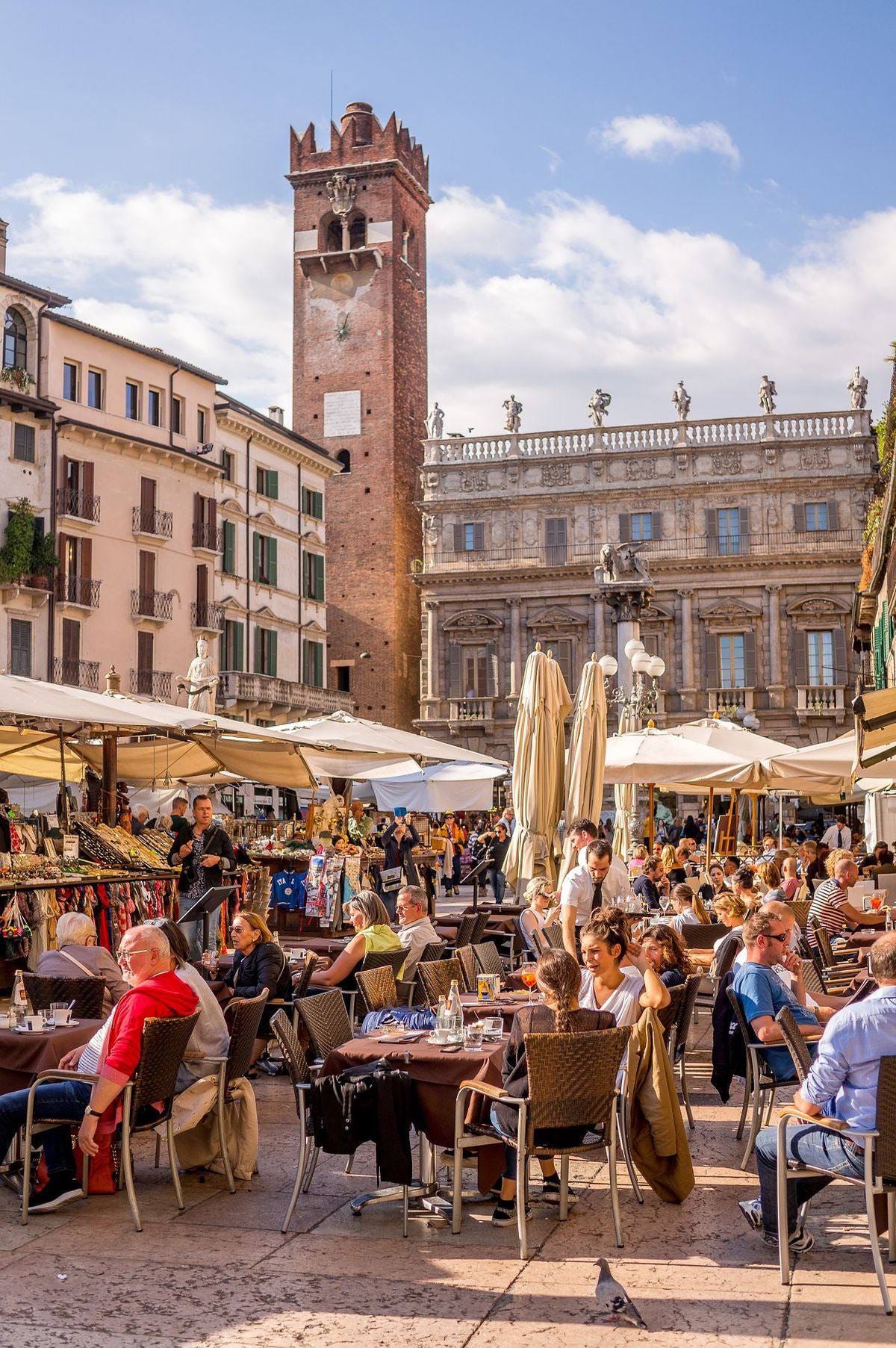
A neighborhood designed for walking encourages different habits than a neighborhood designed entirely around traffic.
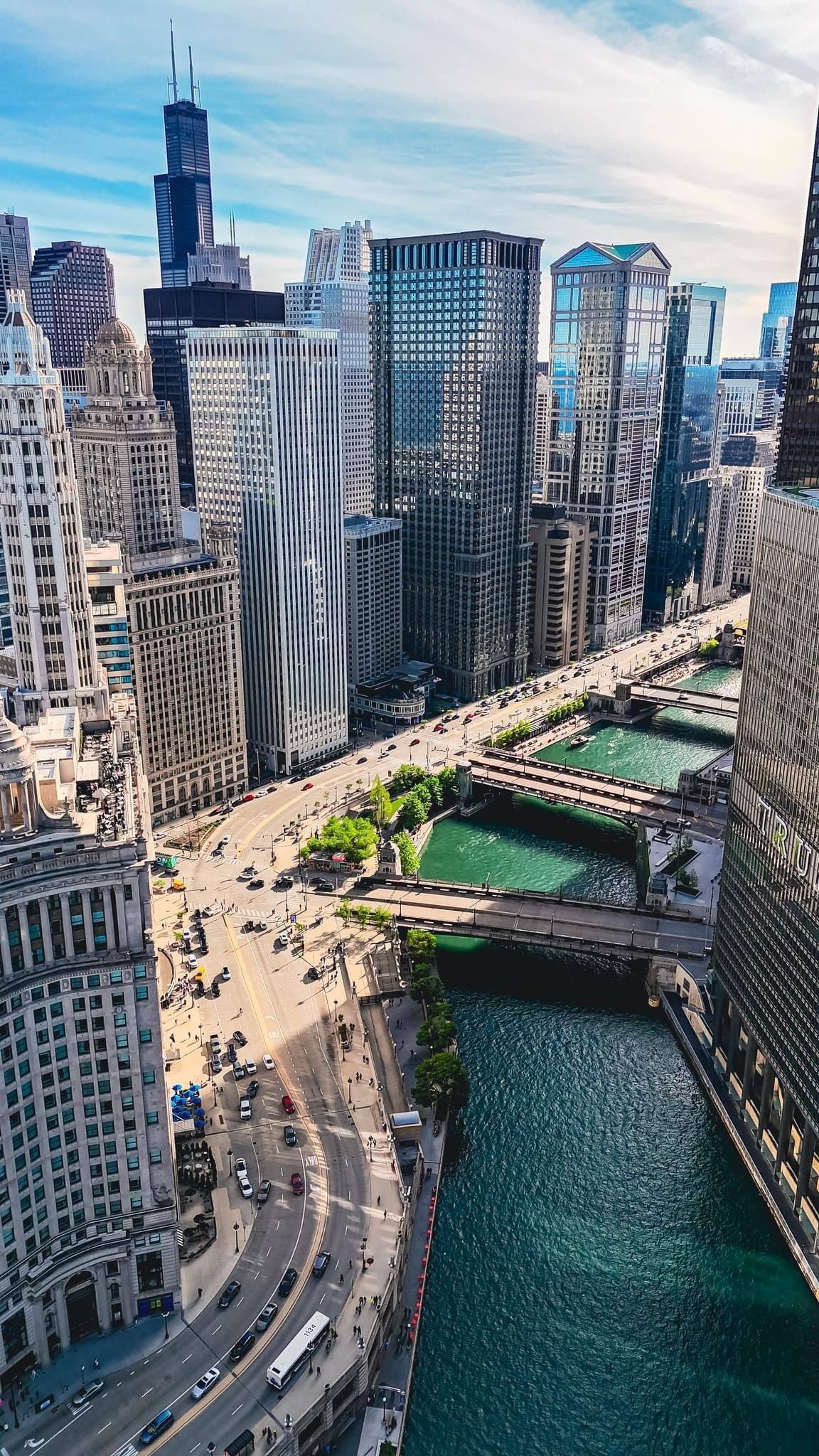
A skyline dominated by churches creates a different atmosphere than a skyline dominated by office towers.
None of this determines human behavior completely.
Yet it influences it constantly.
Year after year.
Generation after generation.
And because architecture operates slowly, people frequently underestimate its importance.