

Walk through almost any European city today and you can still feel where the war ended and reconstruction began. Somewhere between the surviving churches, old apartment façades, narrow streets, and public squares, the city changes character and starts feeling like it was built according to a completely different understanding of what urban life should be.
You see it immediately in places like Warsaw, Rotterdam, Frankfurt, Coventry, Berlin, London, where centuries of European architecture give way to concrete blocks, giant roads, empty plazas, repetitive housing towers, and wide spaces that feel disconnected from the older parts of the city surrounding them, almost as though two separate civilizations ended up stitched together into one landscape.
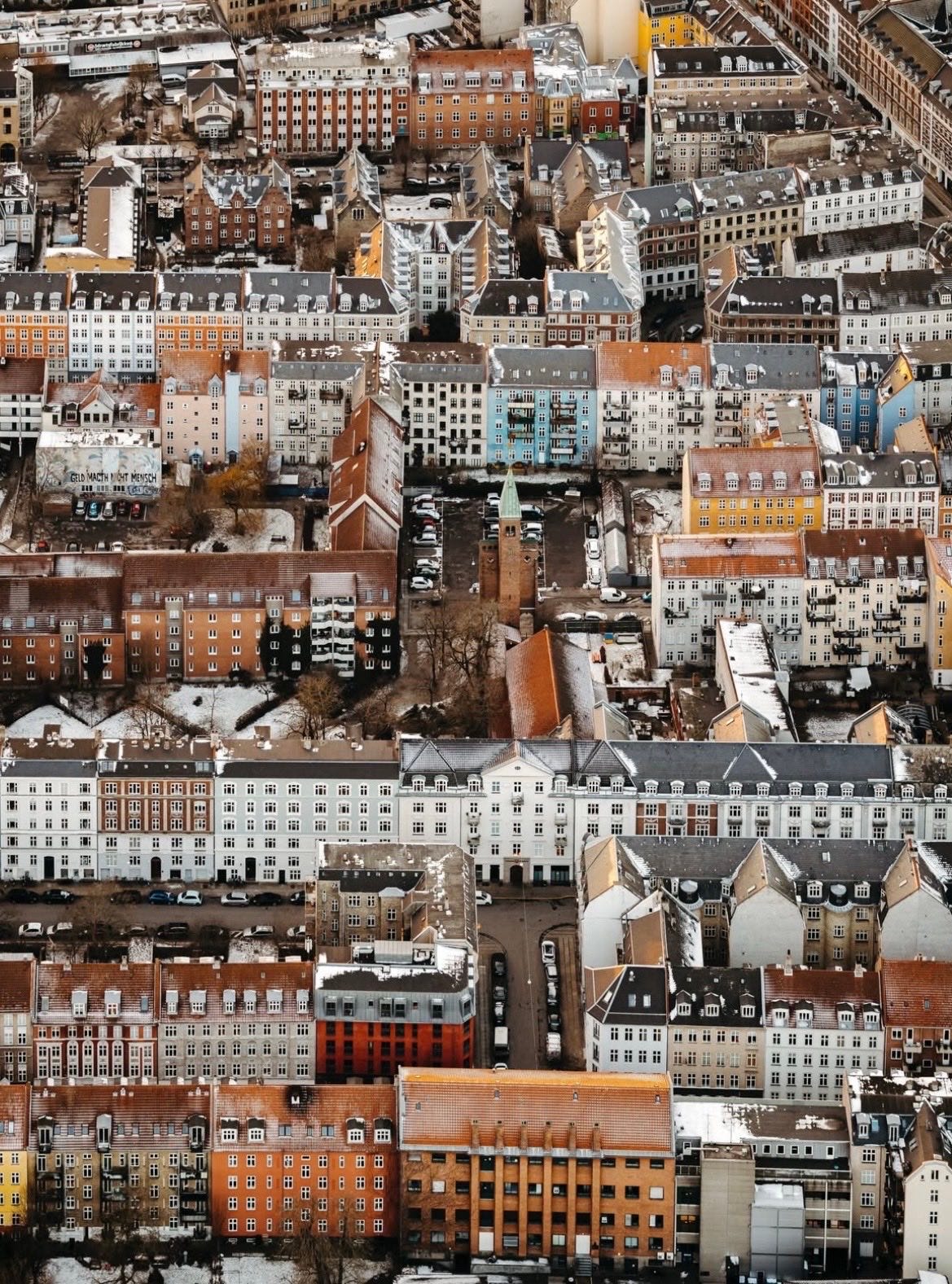
And honestly, once you begin studying postwar reconstruction carefully, you realize Europe spent the second half of the twentieth century rebuilding itself at a scale impossible to imagine now, because after 1945 entire cities had been reduced to rubble, housing stock had vanished, infrastructure barely functioned, railways were shattered, millions of civilians were displaced, and governments were trying to restore ordinary life after the most destructive war the continent had ever experienced.
Under those conditions, many of the decisions made after the war make complete sense, especially when you remember that planners and politicians were not thinking primarily about architectural beauty in the abstract, but about survival, speed, housing, transportation, sanitation, and economic recovery for populations that had already endured years of destruction, rationing, bombing, displacement, and trauma.
And in fairness, some parts of postwar reconstruction genuinely worked remarkably well.
Cities regained functioning infrastructure quickly, housing expanded at enormous scale, economies recovered faster than many people believed possible during the final years of the war, and modern engineering allowed entire districts to be rebuilt within years rather than generations, which mattered in countries where millions of people desperately needed homes before winter arrived.
Yet over time another mentality slowly began taking over reconstruction across much of Europe, because planners increasingly stopped looking at cities as places that had evolved over centuries and started treating them more like technical systems that could be redesigned rationally from above according to theories about efficiency, circulation, zoning, and modernization.
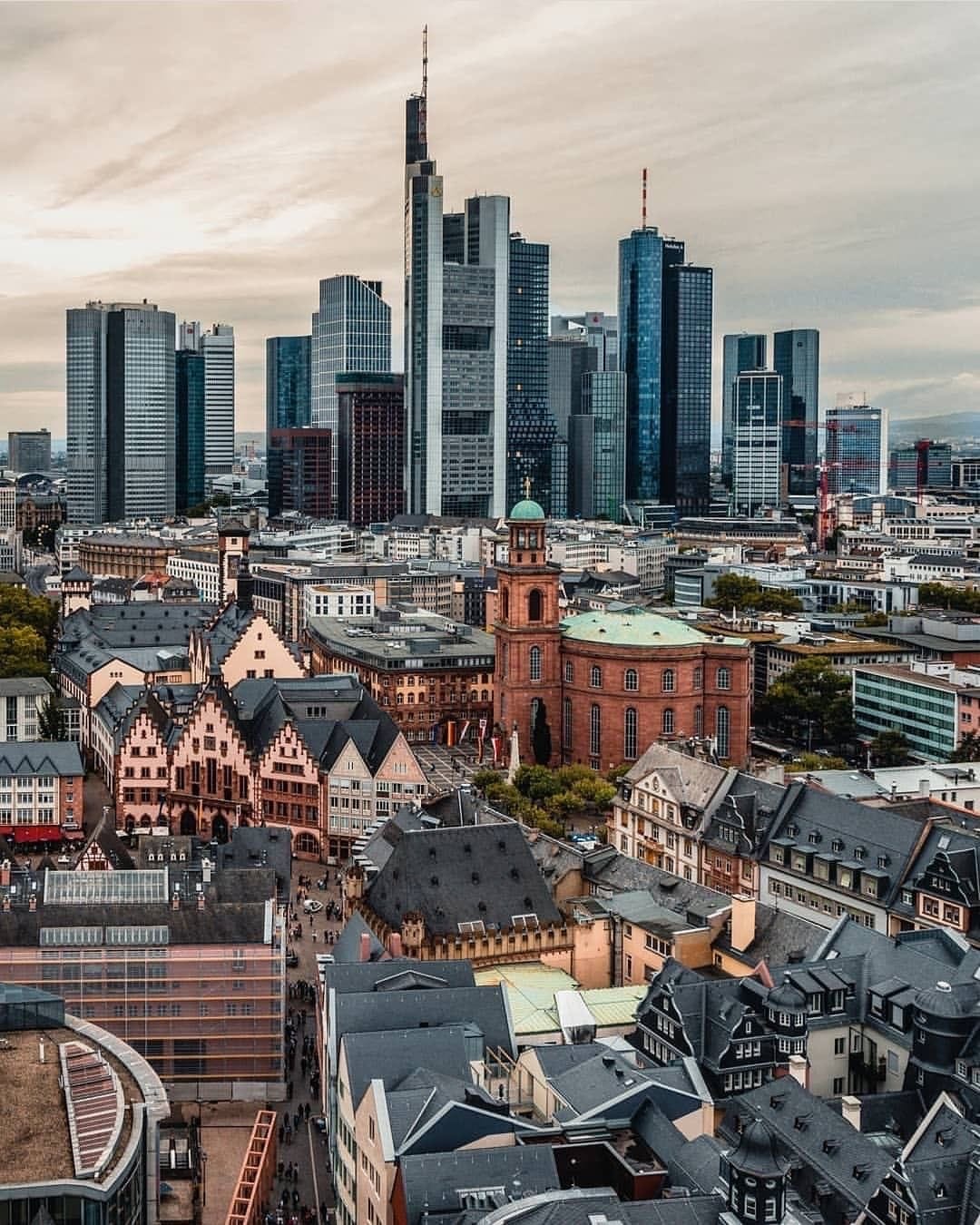
And that shift changed European cities permanently..
1) Europe Had to Rebuild Fast, and Modernism Offered Speed
One thing modern critics forget is how desperate the situation looked in 1945, because today people usually encounter postwar architecture aesthetically, whereas governments at the time encountered reconstruction as an emergency problem unfolding at continental scale.
Warsaw had been devastated almost completely
Berlin resembled a field of ruins stretching mile after mile
Rotterdam had lost most of its historic center
Dresden burned so intensely during the bombing that entire neighborhoods simply disappeared
Millions of people needed housing immediately while water systems, electricity grids, sewage networks, rail systems, and hospitals all required reconstruction simultaneously.
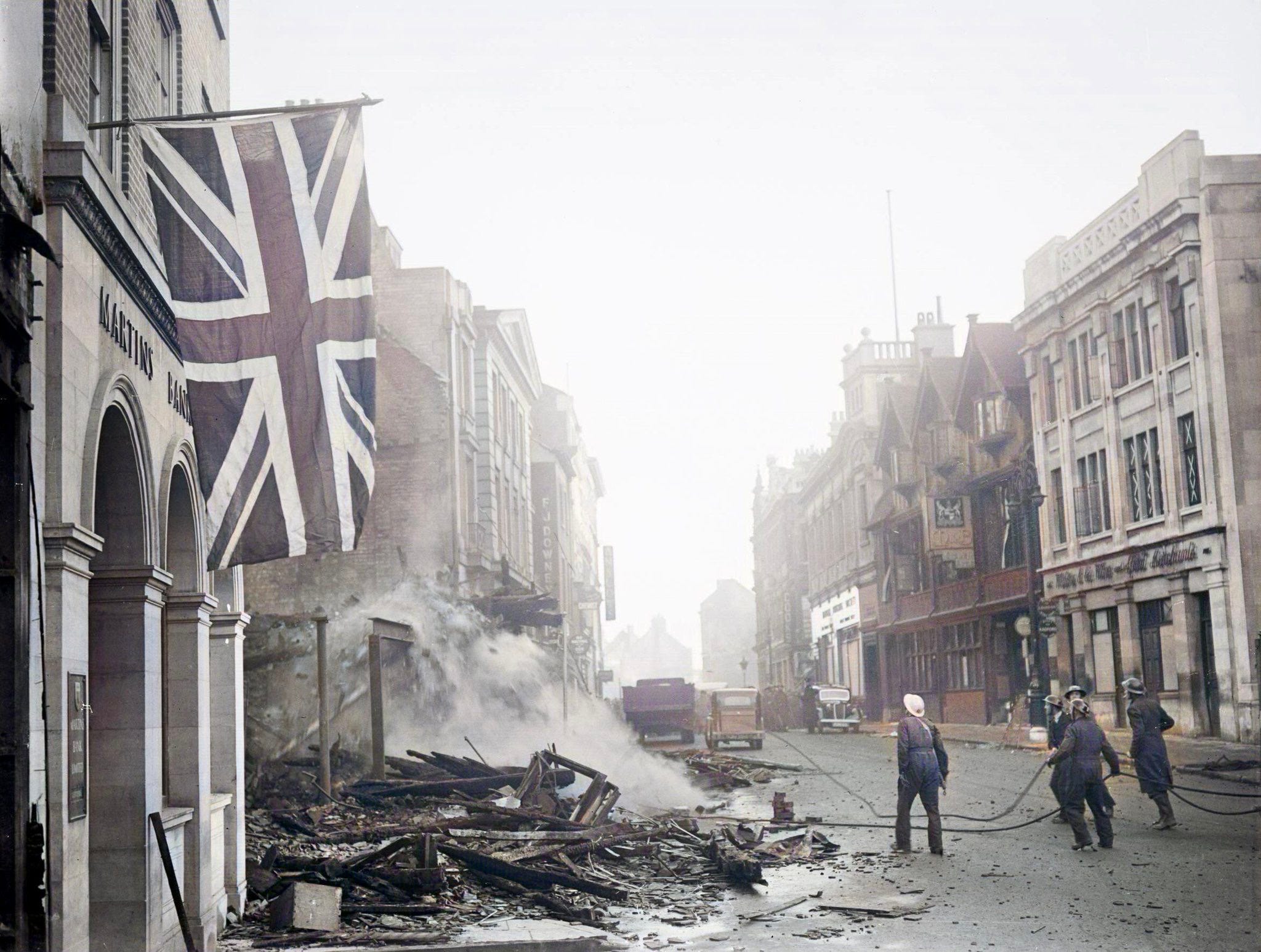
Under those conditions, modernist architecture appeared incredibly attractive because it promised something older forms of construction often could not provide at the same speed: rapid large-scale rebuilding.
Concrete could be produced quickly
Prefabricated housing accelerated construction dramatically
Road systems could be widened
Infrastructure integrated more efficiently
Entire neighborhoods could rise within years rather than decades
And for societies emerging from catastrophe, those ideas genuinely felt hopeful to many people at the time.
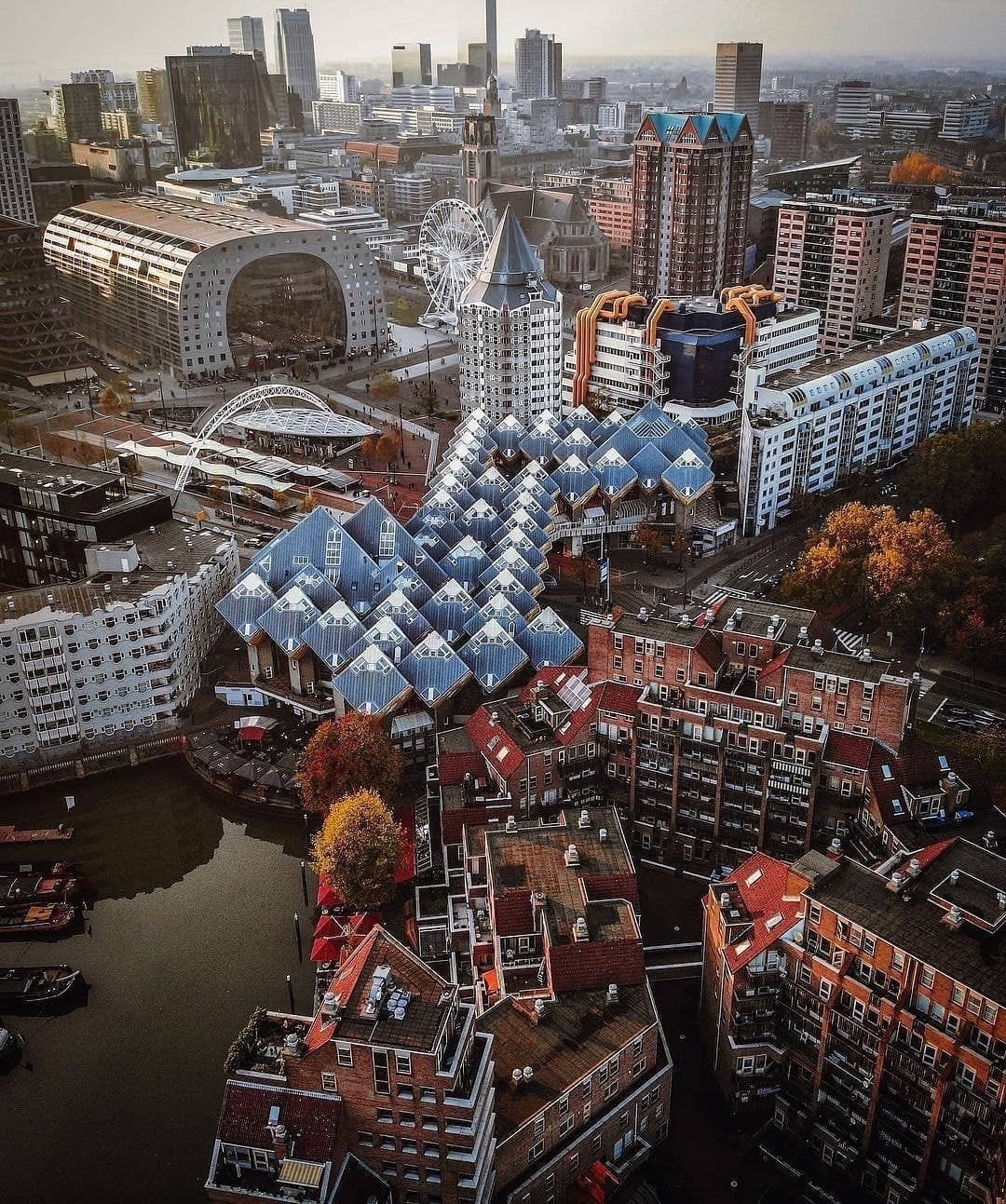
Rotterdam became one of the clearest examples of this mentality.
After the German bombing of 1940 destroyed much of the historic center, Dutch planners deliberately chose not to recreate the old medieval city exactly as it had existed before, instead embracing a modern commercial vision built around openness, efficiency, modern infrastructure, and economic functionality.
Wide streets replaced older urban density
Glass and steel replaced traditional merchant façades
Large office buildings appeared
Traffic circulation improved enormously
And economically, the strategy succeeded spectacularly because Rotterdam recovered quickly and became one of the most important ports in Europe again within a surprisingly short period of time.
The same thing happened across much of West Germany during the economic boom of the 1950s and 60s, when reconstruction combined with industrial growth to produce astonishing recovery speeds that would have seemed impossible during the final years of the war itself.
And psychologically, many Europeans associated older dense urban environments with vulnerability after experiencing bombing campaigns that turned tightly packed neighborhoods into infernos almost overnight, so when architects spoke about openness, sunlight, spacing, circulation, sanitation, and modernity, those ideas felt healthy and forward-looking rather than destructive.
If these essays have changed the way you see the world around you, the paid tier goes further.
You get longer, more researched pieces on the places that shaped western civilization and the stories behind them. Deep dives into tradition, craftsmanship, and what the built world reveals about culture. Travel guides that teach you to actually read the places you visit.
This project is kept alive by people who care about old world traditions. For a few dollars a month, you can be one of them.
2) Planners Started Rebuilding According to Theory Instead of Human Behavior
The deeper problem emerged gradually, because reconstruction increasingly became shaped by architectural ideology rather than ordinary human experience.
Traditional European cities had evolved slowly over centuries, which meant shops, homes, churches, cafés, markets, workshops, apartments, and public squares ended up naturally woven together into dense environments where people walked constantly and daily life unfolded at street level almost without planning.
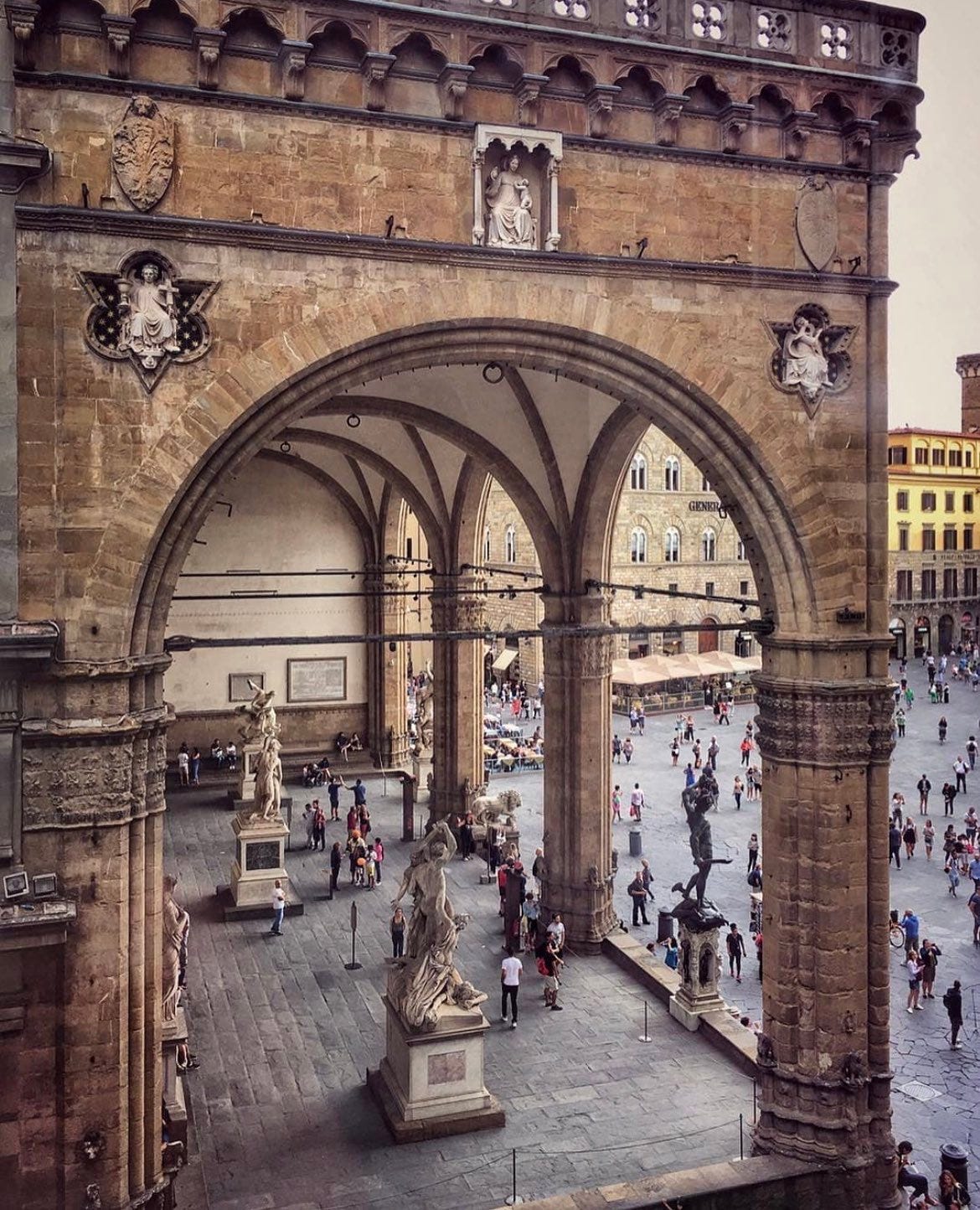
Postwar planners often looked at that complexity and saw inefficiency.
Residential districts became separated from commercial districts
Wide roads cut through older neighborhoods
Cars became central to urban planning
Historic streets disappeared
Mixed-use districts weakened
And slowly many rebuilt cities started functioning more efficiently for traffic while feeling less pleasant for actual human beings living inside them.
The influence of Le Corbusier mattered enormously here because his vision of urban life shaped planners across Europe after the war very deeply, especially his belief that modern civilization required entirely new forms of urban organization rather than continuation of older city structures.
Tower blocks surrounded by open space
Strict zoning systems
Large roads
Highly planned environments
Everything arranged according to rational order
On paper, many of these designs looked clean, futuristic, organized, and intellectually convincing.
But human beings do not experience cities from above like architects studying blueprints.
People experience cities while walking through them.
They remember corners, storefronts, church towers, cafés, small streets, neighborhood rhythms, public squares, noise, trees, and the feeling a district gives you after spending time there.
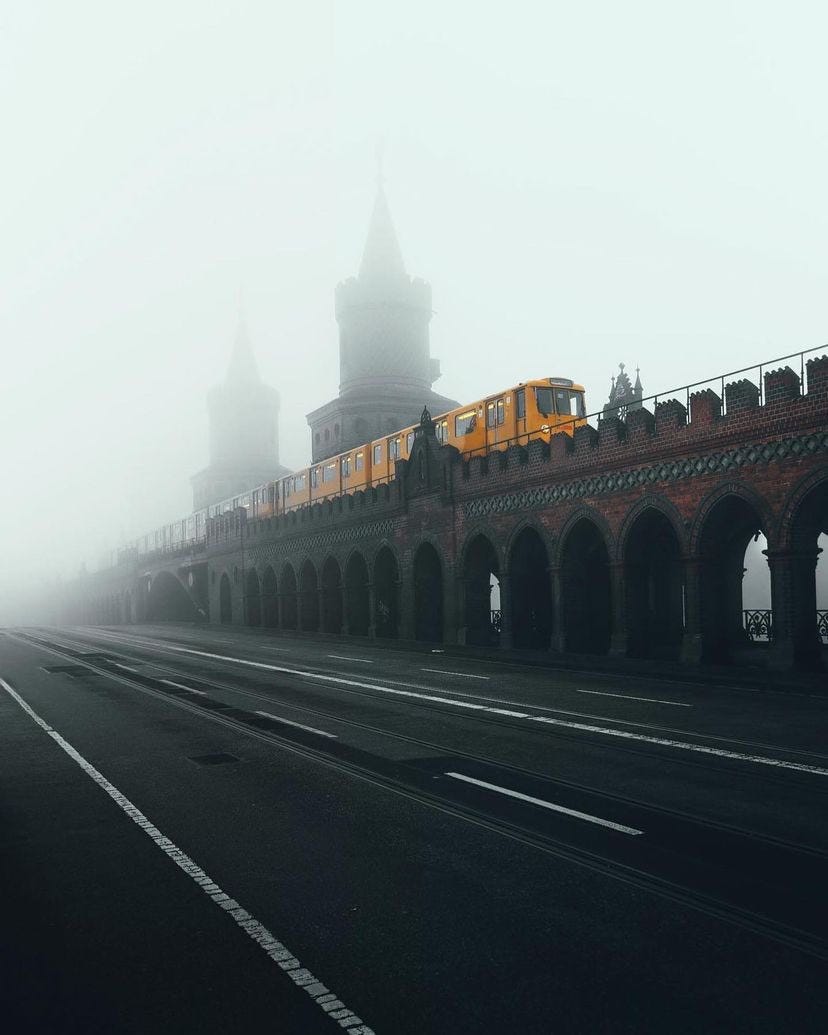
That is why so many postwar developments looked impressive in architectural drawings yet felt strangely cold once people actually had to live inside them for decades.
3) Coventry Became a Perfect Example of Reconstruction Going Wrong
Coventry remains one of the clearest examples of reconstruction succeeding materially while failing emotionally, because the city suffered devastating bombing during the Blitz and afterward embraced modernist redevelopment more aggressively than many other British cities.
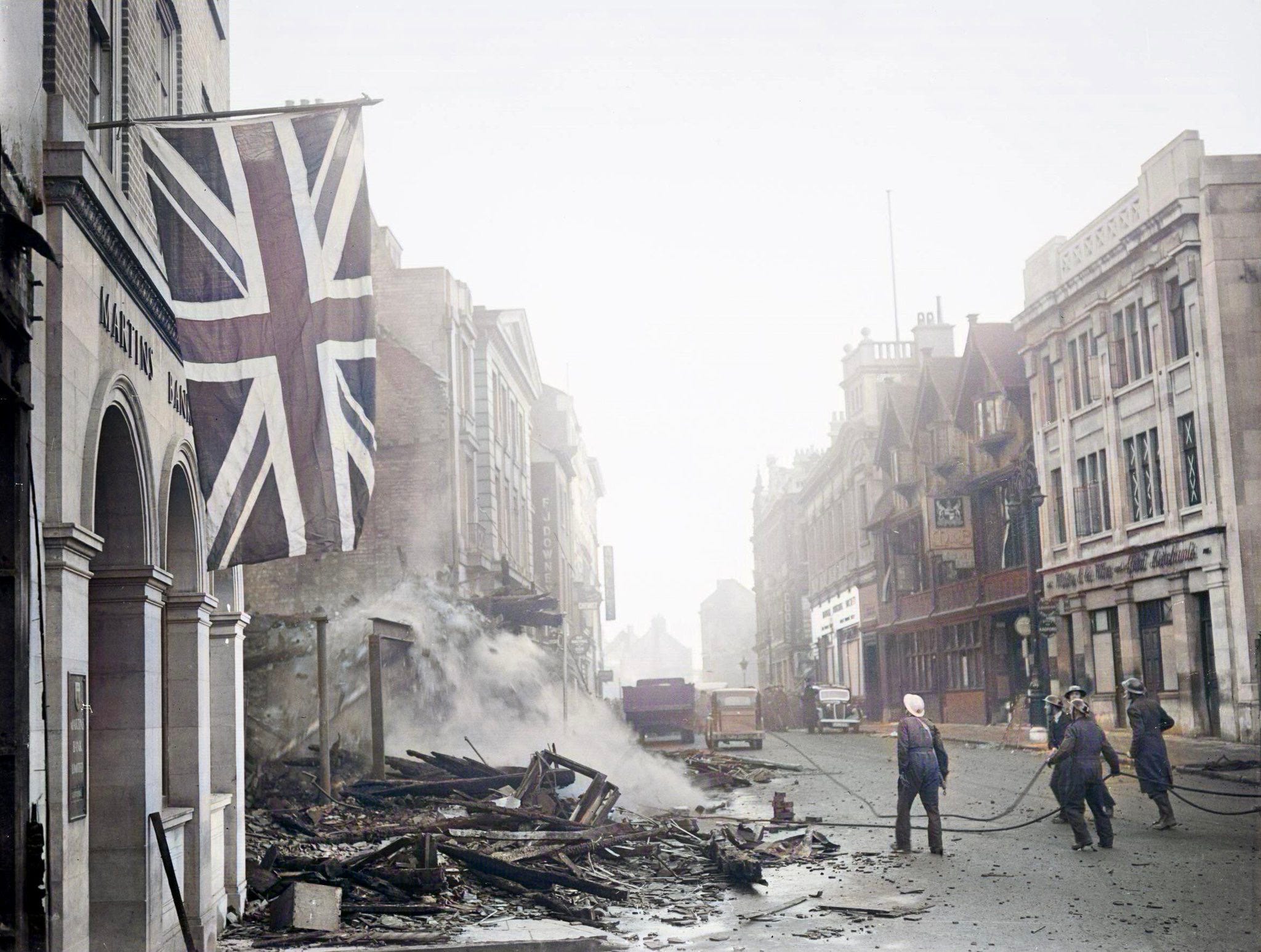
Large sections of the medieval street plan disappeared permanently.
Wide roads cut through older districts
Concrete shopping precincts replaced historic streets
Pedestrian systems separated people from traffic through elevated walkways and large open spaces
And for years architects praised Coventry as a progressive model for the future of urban Britain.
Yet over time the rebuilt city center started feeling disconnected from its own past.
The older atmosphere vanished
The human scale weakened
Concrete civic spaces aged poorly
And despite functioning well in certain technical ways, many parts of Coventry gradually stopped feeling like places where people naturally wanted to gather, walk, linger, or spend time.
This became a recurring pattern throughout Europe.
The reconstruction often solved practical problems while simultaneously removing the historical texture that had made cities feel alive in the first place.
4) Warsaw Understood Something Most Cities Forgot
Warsaw approached reconstruction completely differently, and honestly the more you compare European cities after the war, the more extraordinary Warsaw becomes..